3 Poems from Rasha Omran’s New Collection
“Because I, too, know that no one dies of love, / I live my life like a normal woman.”
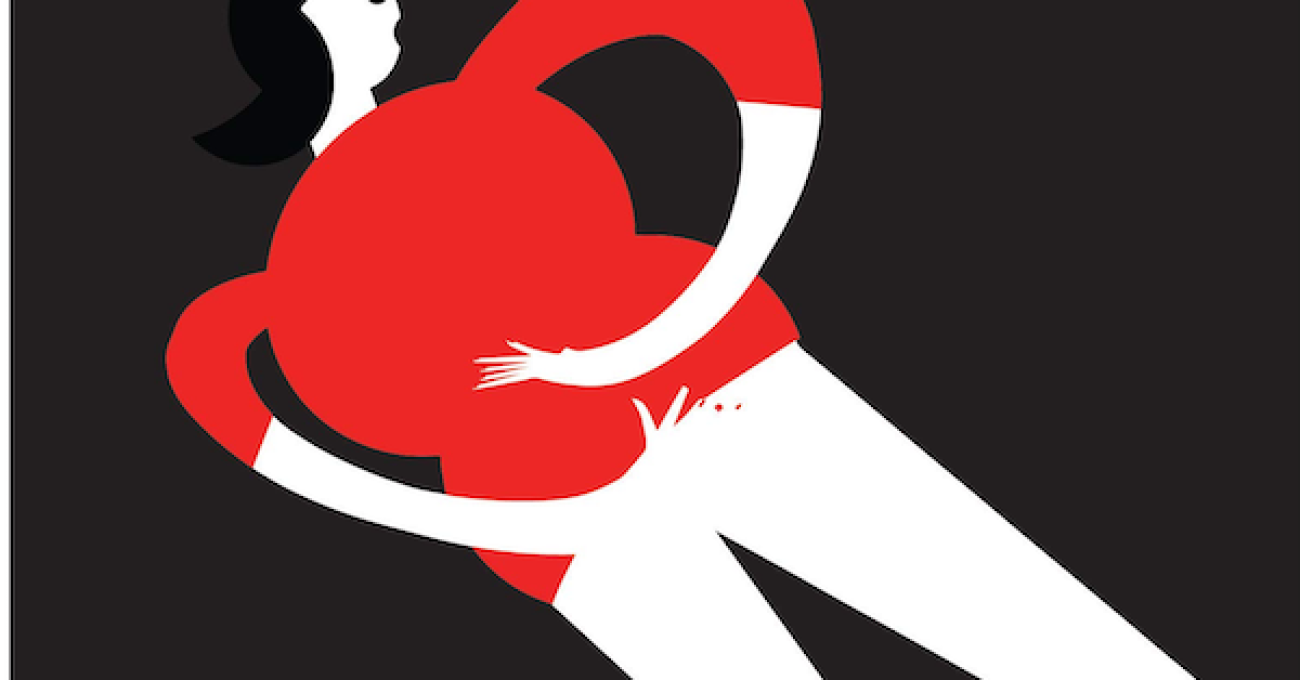
“Because I, too, know that no one dies of love, / I live my life like a normal woman.”
In addition to being “mad,” she was also very clever, and could compose rhyming poetry off the top of her head. She was also a tragic figure in that her mental illness set in after the death of many members of her family during the war, and she was forced to raise her four children on her own.

“Say what you will, Egyptian culture has historically been a welcoming and permeable one, with a magical capacity to expand to make people feel at home. In a time where ugly polarizing discourse is on the rise, voices that highlight the diversity of Egyptians are important.”

“A few days ago, I attended the Kuwait Book Fair, and saw that all Arab countries were there, represented by more than one publisher, except Algeria, and this is because of backward laws.”
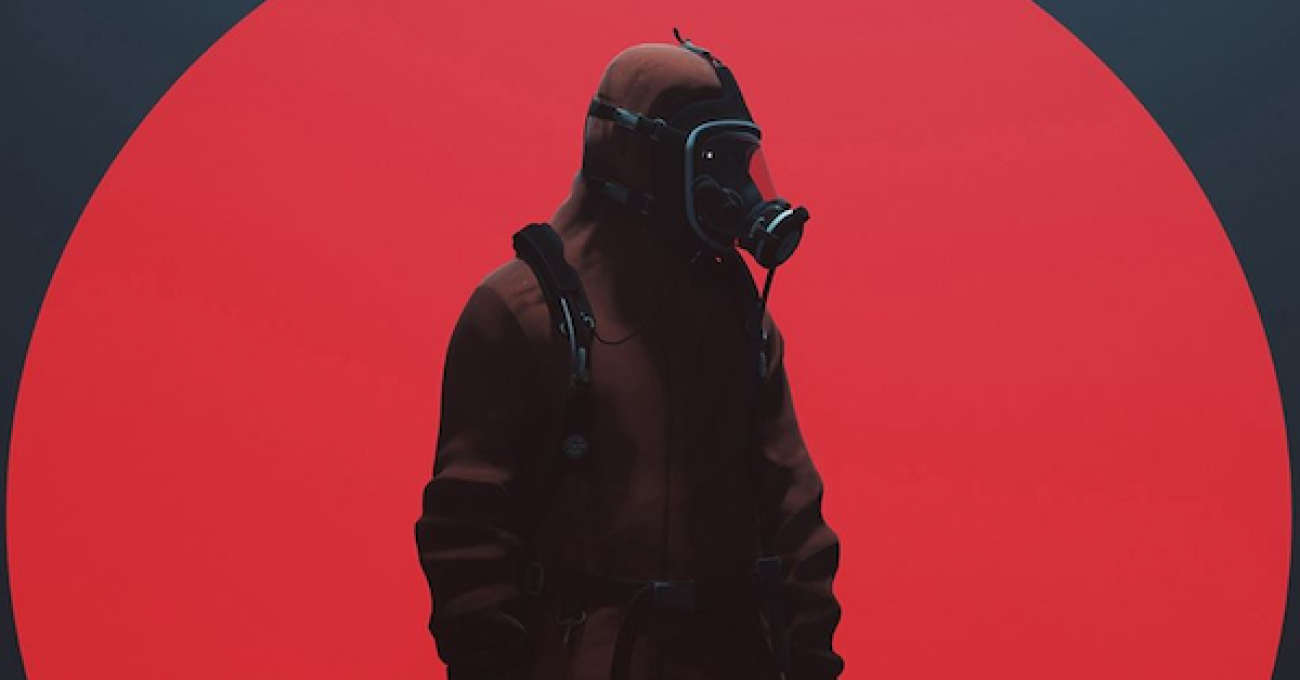
Then one of the team came up with the craziest idea: “It looks like the virus came from the future.”

Much as in old photo albums, we the undersigned—the Ayoub A.L. family—gradually appear either standing together, or behind one another, or in front, or a little further off. We thought it better to let our mother Makiah sit on a chair, as she can’t stand for long, even if it’s for a photo. Beside her is Auntie Fatihiya, and then the younger auntie, Saneea. Our grandmother Bebe Fatim has no place among us; she stayed upstairs.

“The crowds at the KFAS booth were wild.”

Truly, dreams are full of wonders.

“So, to make up for lost time, I took out the doors and I painted them on the balcony. To make sure they would dry, I left them there and went to sleep, until I was awakened by my four-year-old son who was in a panic and was screaming that all the doors had disappeared. It is the horror I saw in his eyes and in the eyes of my wife that the idea of writing about a city with no doors grew in my mind.”