

The longlist will likely be revealed in November.
In previous years, prize organizers have received more than a hundred submissions, and the 100+-strong list is never publicly aired. However, a number of publishers have chosen to float their nominations. A few that seemed interesting for one reason or another:
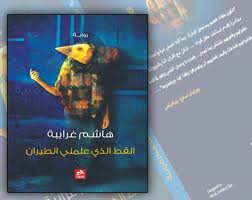
Bahaa Abdelmeguid‘s The Temple Bar (“خمارة المعبد“). Abdelmeguid’s Sleeping with Strangers and St. Theresa were translated by Chip Rossetti and published together by AUC Press.
Ezzedine Choukri’s Embrace at the Brooklyn Bridge ( “غرفة العناية المركزة”). This is first of all interesting because, my goodness, another novel with Brooklyn in it? Then he’s head of Egypt’s Supreme Council of Culture. And he was longlisted for the 2009 IPAF.
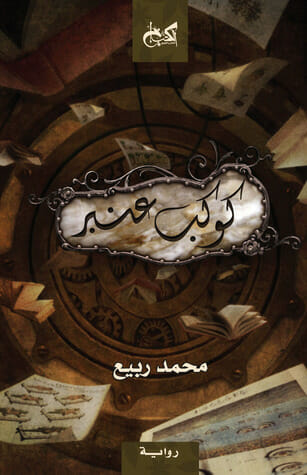
Khaled al-Berry’s New Testament (“العهد الجديد”). Khaled was shortlisted for this year’s IPAF for his Middle Eastern Dance.
Al-Berry said, of his newest novel:
روايتي الجديدة هي عن العلم والحب والحكمة في مواجهة الإستبداد. وتحكي أحداث الأيام الأخيرة في الصراع بين القوى المسيطرة وبين الناس في منطقتين معزولتين جغرافيا ولكنهما لصيقتان فكرا، الجميع يعتقد أنه يفعل ما يفعل سعيا لتحقيق النبوءة وخلق العهد الجديد. بالطبع ثورة 25 يناير أثرت في الرواية جدا، أعطتني صراعا حيا أمام عيني ومنحتني كثيرا من الأمل أثناء الكتابة، لذلك خرجت الرواية متفائلة إلى حد.
Naim Sabry‘s The Old Singer (المغني القديم«). Sabry is a poet and novelist with a number of books to his name.
Eslam Mosbah’s Emos (إيموز). Mosbah previously won the Nabil Farouk award for Science Fiction. Both Mekkawi Said and Alaa al-Aswany have praised the novel, although Said’s praise seemed a bit tepid.
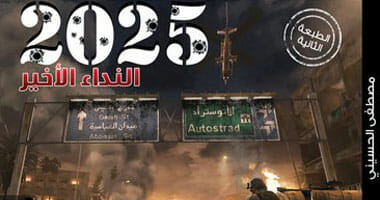
Mamdouh Abdel Sattar’s The Man from Al-Dljmoon: Dead Leaves (الدلجموني.. أوراق ميت). Abdel Sattar has won several short-story awards.
Also:
Al Masry Al Youm: Two Egyptian Novels Nominated for Arabic Booker Prize