Sheikh Zayed Book Award Goes to Abdel Rasheed Mahmoudi’s ‘After Coffee’
This year, the Sheikh Zayed Book Award (SZBA) found a worthy literary entry — presenting its literature award to Egyptian novelist Abdel Rasheed Mahmoudi’s “After Coffee”.
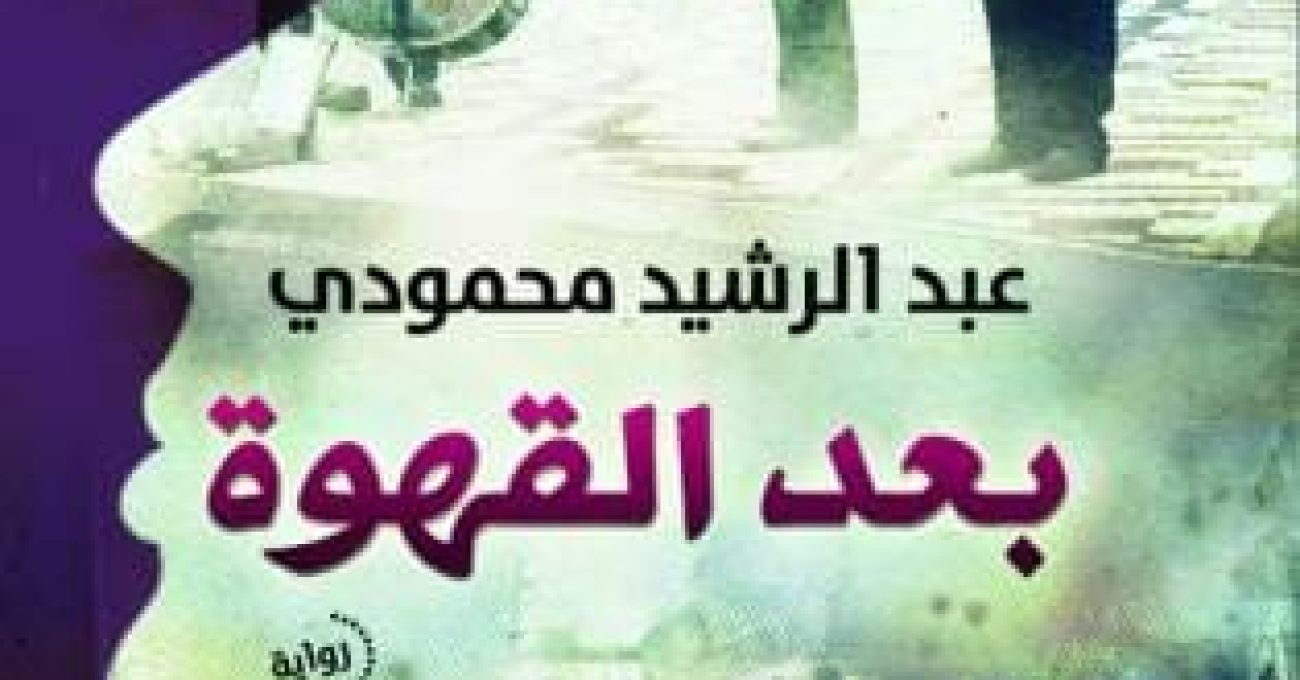
This year, the Sheikh Zayed Book Award (SZBA) found a worthy literary entry — presenting its literature award to Egyptian novelist Abdel Rasheed Mahmoudi’s “After Coffee”.
In the most recent Brooklyn Quarterly, Deep Vellum publisher Will Evans writes an impassioned essay that declares, “I Want You To Start Your Own Publishing House.”

Events will be added as they are scheduled and discovered. Please add your own by posting in the comments or emailing.
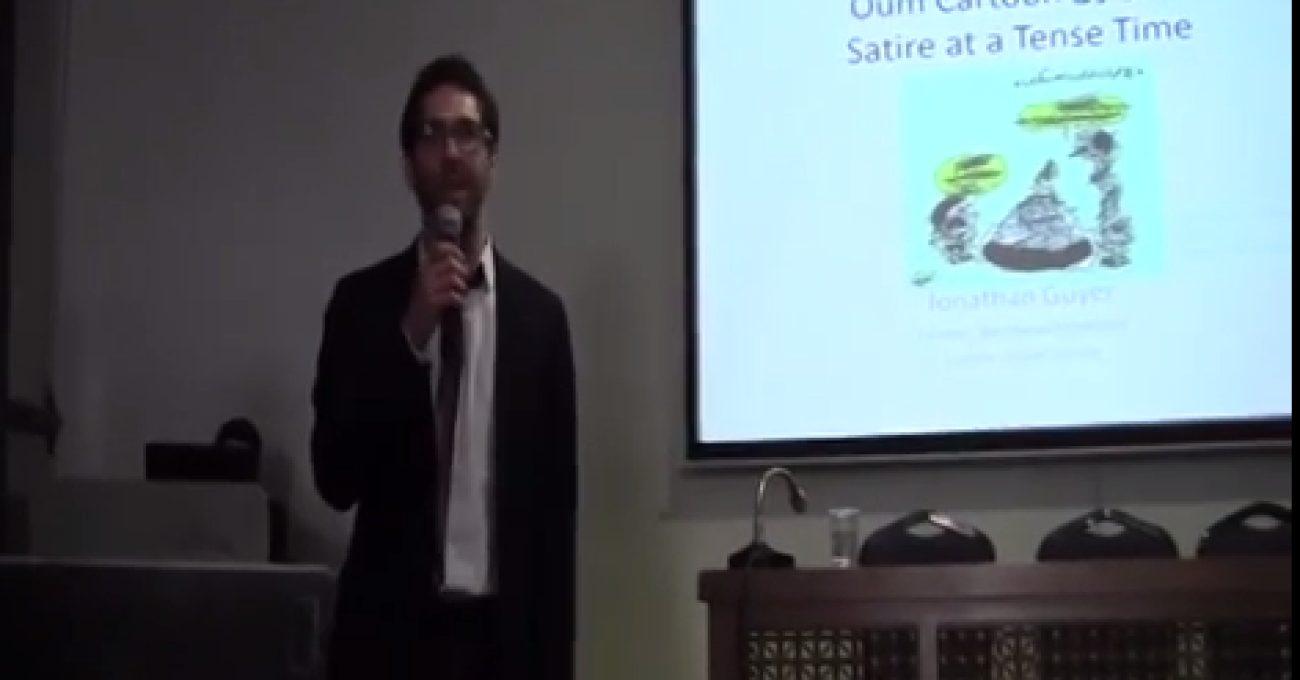
Earlier this month, Jonathan Guyer — of the blog Oum Cartoon — spoke at the American University in Cairo about Egypt’s ever-shifting red lines and the currently shrunken space for cartooning dissent.

In Rabih Alameddine’s An Unnecessary Woman, there is a scene where the protagonist — a translator, and a lover of books — asserts that she is the only person in Lebanon to have copies of well-known international fiction such as Djuna Barnes’s “Nightwood” and Lampedusa’s “The Leopard.” What?
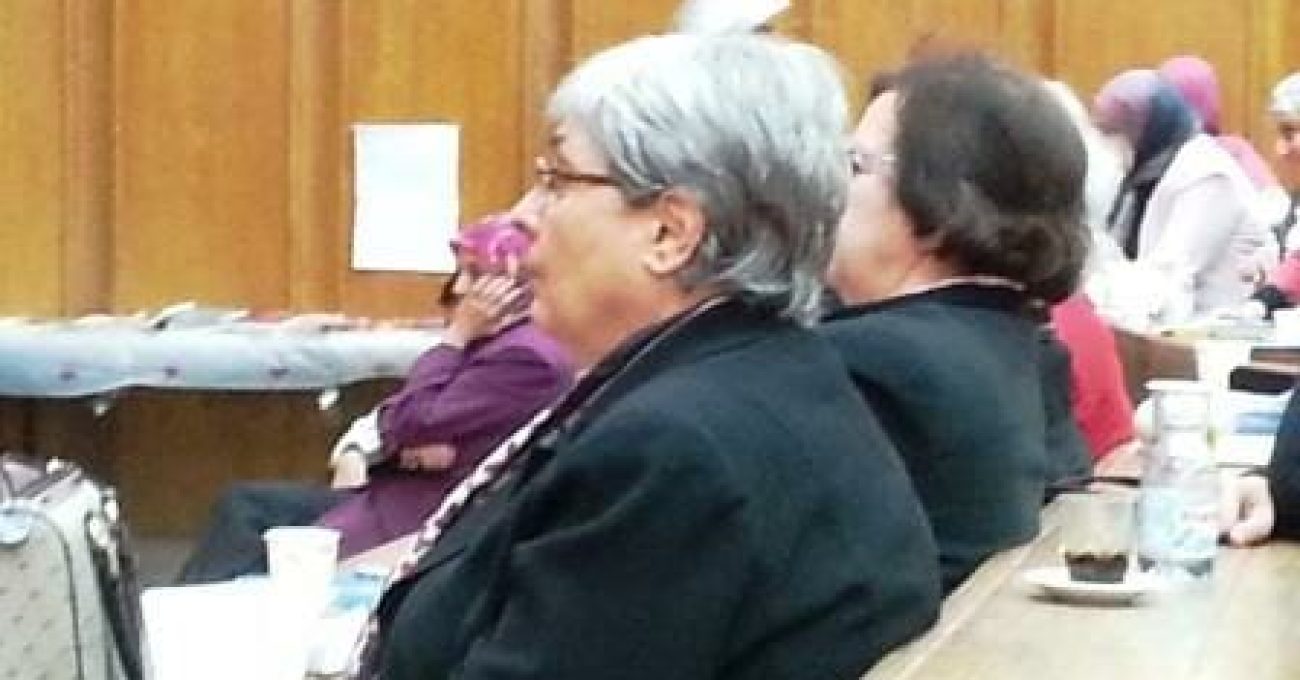
This is the second part of a two-part report on Ain Shams University’s two-day conference in honour of Professor Radwa Ashour. Contributor Amira Abd El-Khalek was there and captured some of the most striking moments, as when Ashour and her husband, the Palestinian poet Mourid Barghouti, talked about the responsibilities of writers.
In the last week in Britain, there has been a relatively loud roar over new-ish rules that restrict sending books (and underwear, among other things) to prisoners. But England is hardly the only place to strangle prisoners’ access to books.
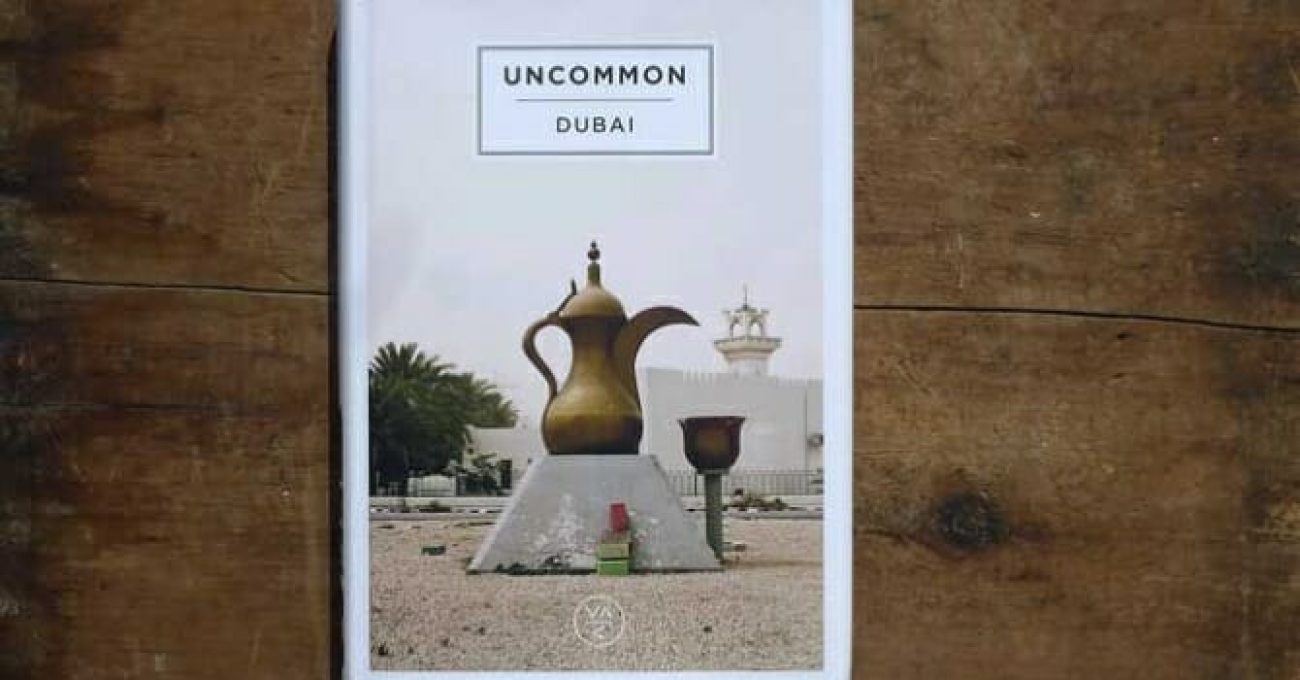
Isabelle Mayault is editor-at-large for Uncommon Guidebooks, which has just come out with an Uncommon Dubai and has an Uncommon Cairo in production. What makes these guidebooks less-than-common is that they take a more literary, anecdotal eye on their city-subjects.

Al-Mustafa Najjar, who reviewed Ahmed Saadawi’s International Prize for Arabic Fiction (IPAF)-shortlisted “Frankenstein in Baghdad,” also interviewed the author, who talks about his novel, including about how, “The element of fantasy adds a touch of joy to the work, mitigating its cruelty.”