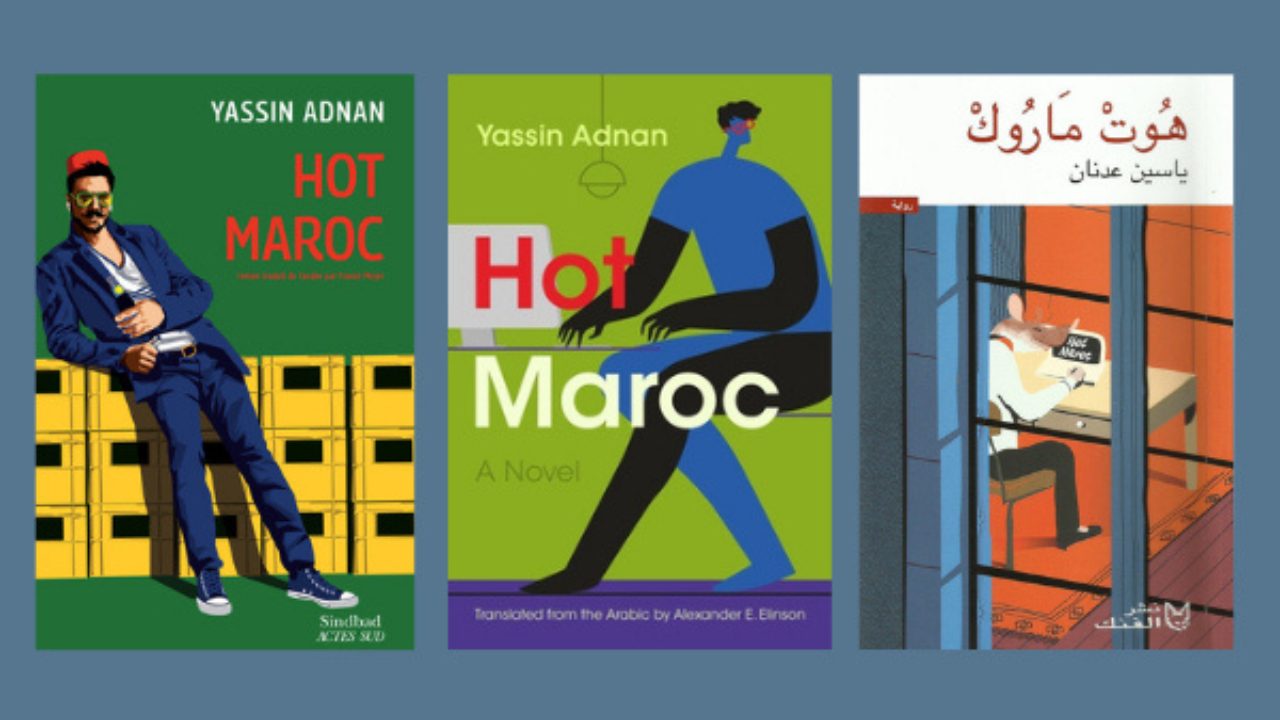
World Cup Lit: From ‘Hot Maroc’
This excerpt appeared in the FOOTBALL issue of ArabLit Quarterly, which you can still get in print and digital.
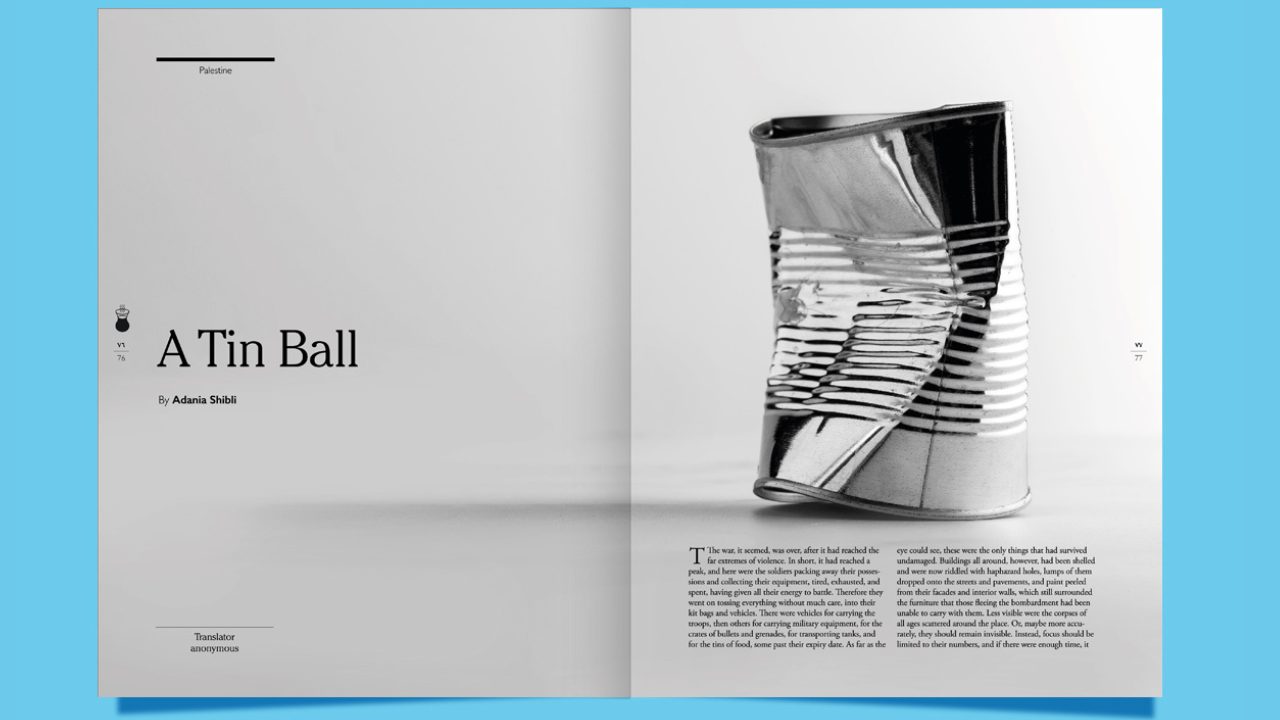
This excerpt appeared in the FOOTBALL issue of ArabLit Quarterly, which you can still get in print and digital.
This week, we’re celebrating the World Cup with work from our Fall 2021 FOOTBALL issue.
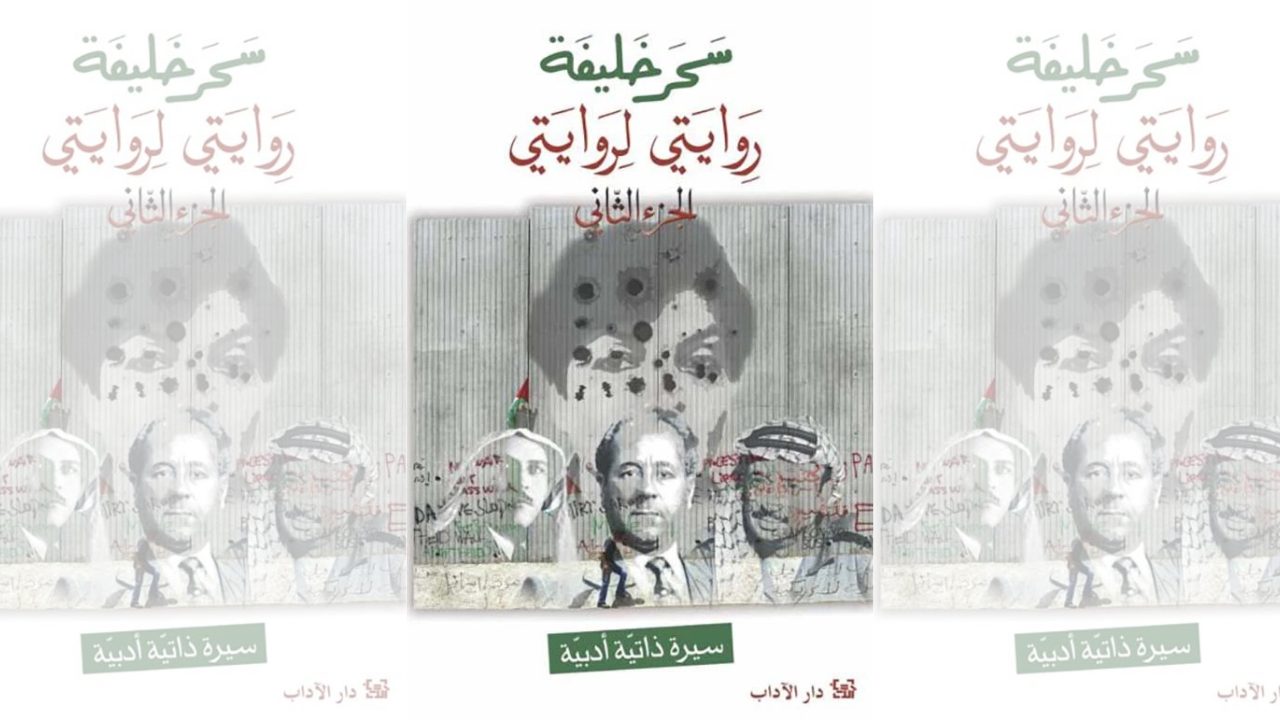
In this excerpt from Sahar Khalifeh’s ‘A Novel for My Story,’ by turns playful and serious, the novelist describes the moment she freed herself from her marriage and other people’s expectations of what her life could be.
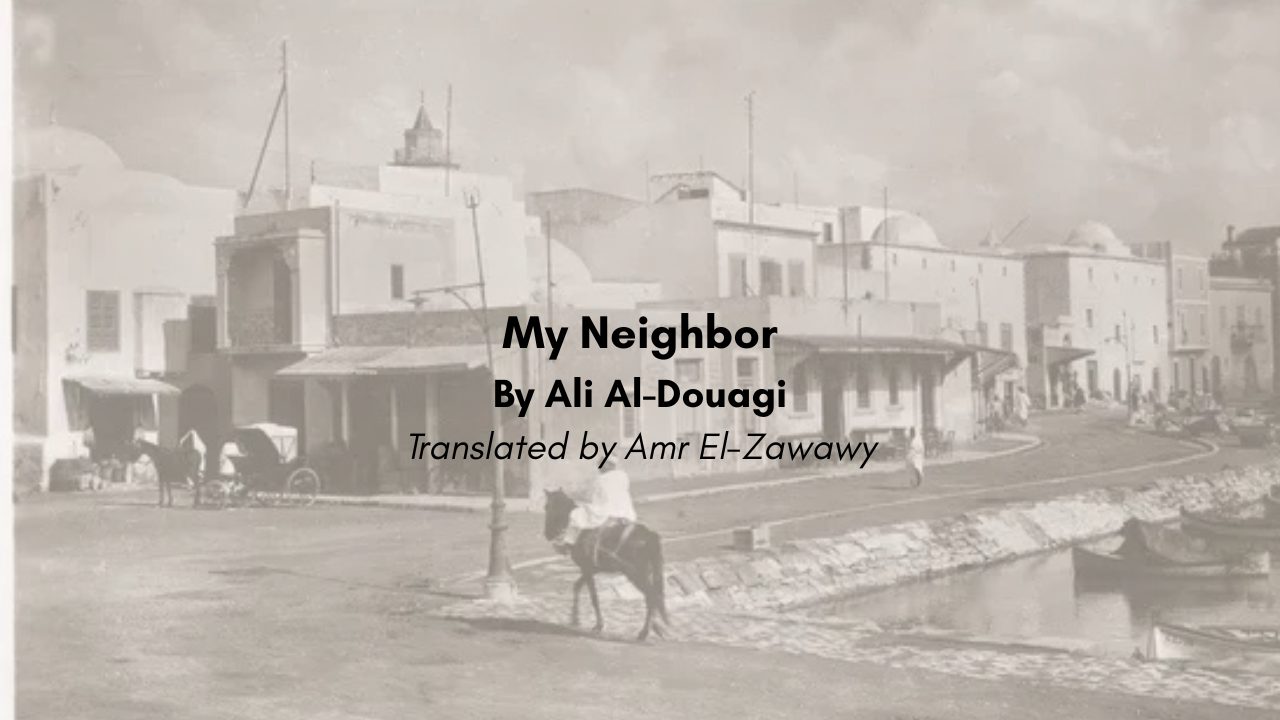
“Ah, how immense my delight when I saw the moving cart piled high with carpets, lamps, and sacks of every size and color!”
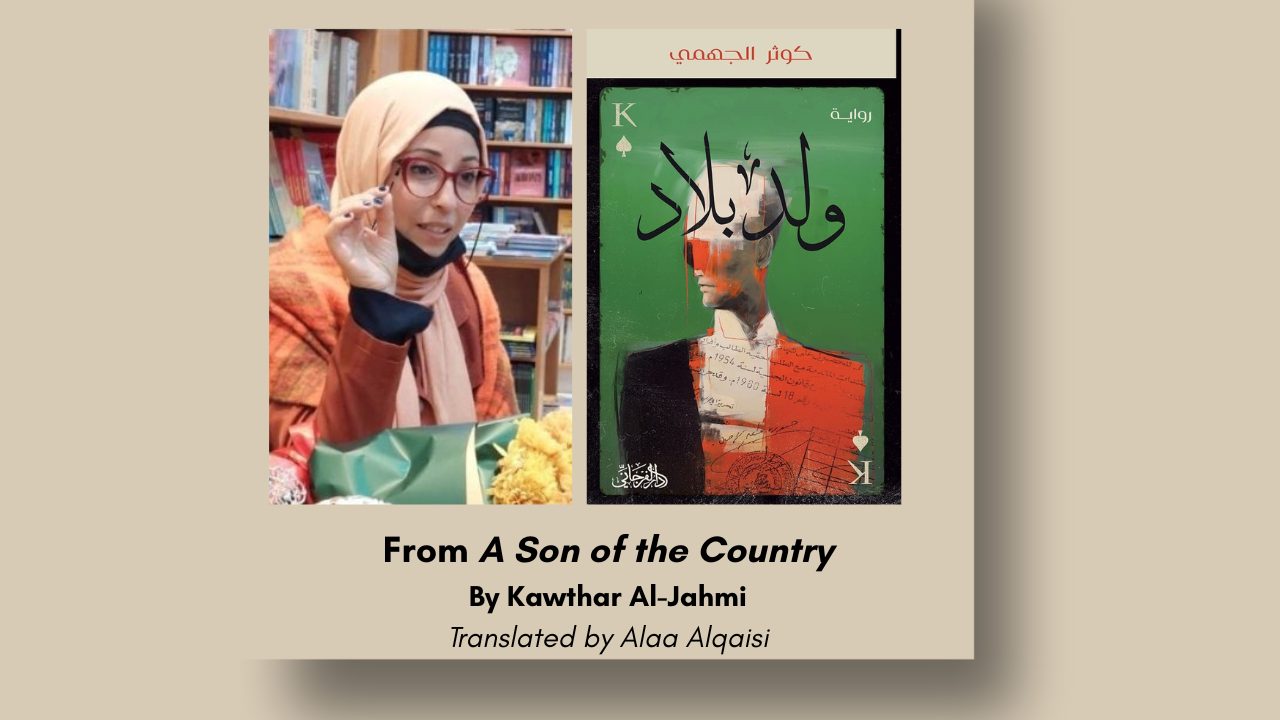
The novel poses a question about identity: Is it a piece of paper, or a sense of belonging?
This short piece appeared, in a slightly different form, in the SONG issue of ArabLit Quarterly in the Spring of 2021.

Ibrahim al-Koni’s “The Desert Also Keened” was the winner of the 2023 ArabLit Story Prize in Dima El Mouallem’s translation.
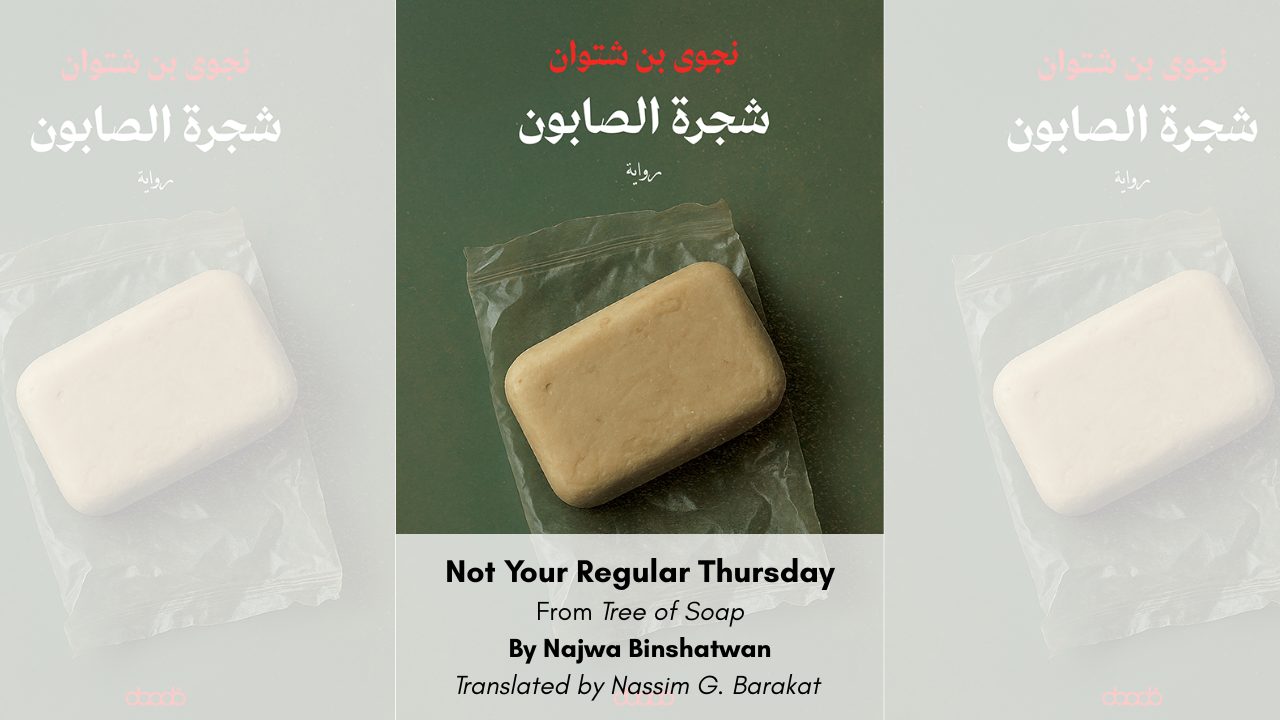
Libyan writer Najwa Binshatwan’s latest novel, شجرة الصابون (Tree of Soap, Dar Arab 2026) unfolds with her signature sarcastic-surrealism. In this world, the State encourages citizens to express themselves, ensures their participation, and provides them everything necessary to practice democracy. Nothing is forced, exactly; it’s just that absence is unwelcome and silence requires explanation.
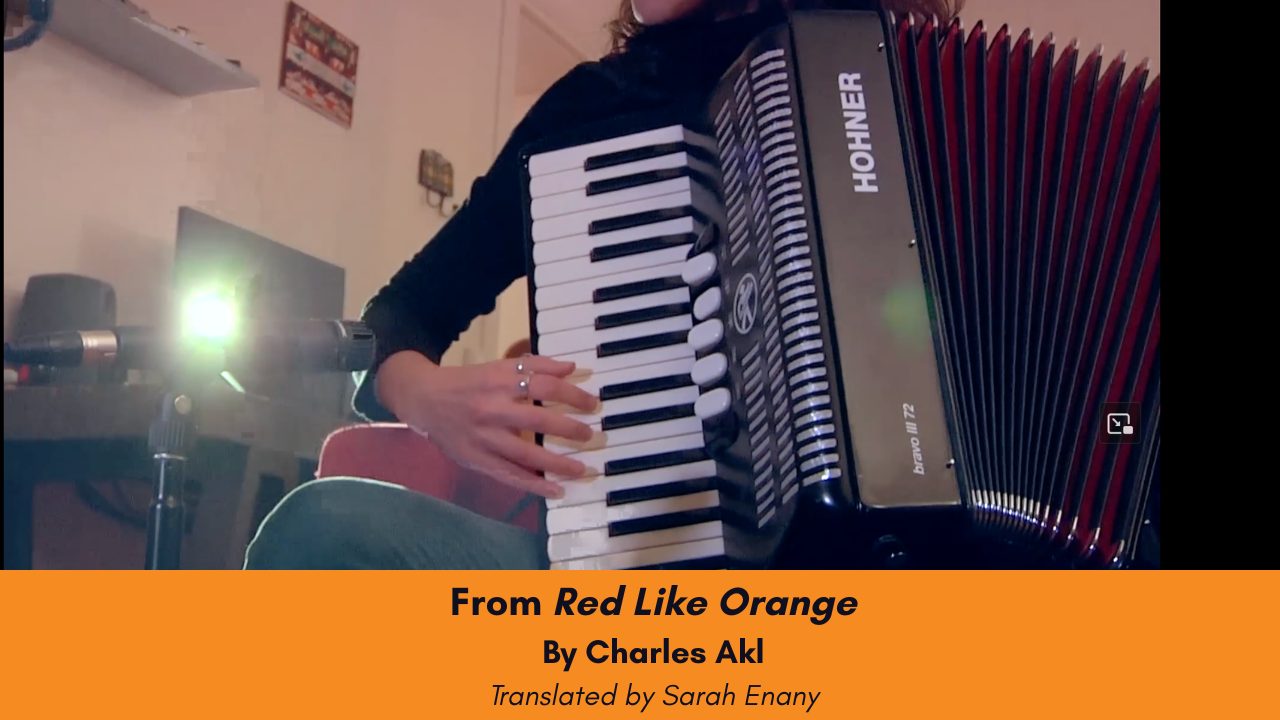
“Before singer-songwriter Yousra Hawwari, who made great use of the accordion, it was nobody’s favorite instrument despite being widely used. Perhaps it earned a kind of universal dislike precisely because it was overused in Egyptian songs from the 1990s, songs from other Arab countries that imitated Egyptian songs, and Turkish songs that either plagiarized Egyptian ones or vice versa.”