With English PEN and ‘The Enemies Project,’ Works in Solidarity with At-risk Writers
The afternoon and evening readings, a joint venture of English PEN and the Enemies Project, begin at 2 p.m. and run through 9:30 that night.

The afternoon and evening readings, a joint venture of English PEN and the Enemies Project, begin at 2 p.m. and run through 9:30 that night.
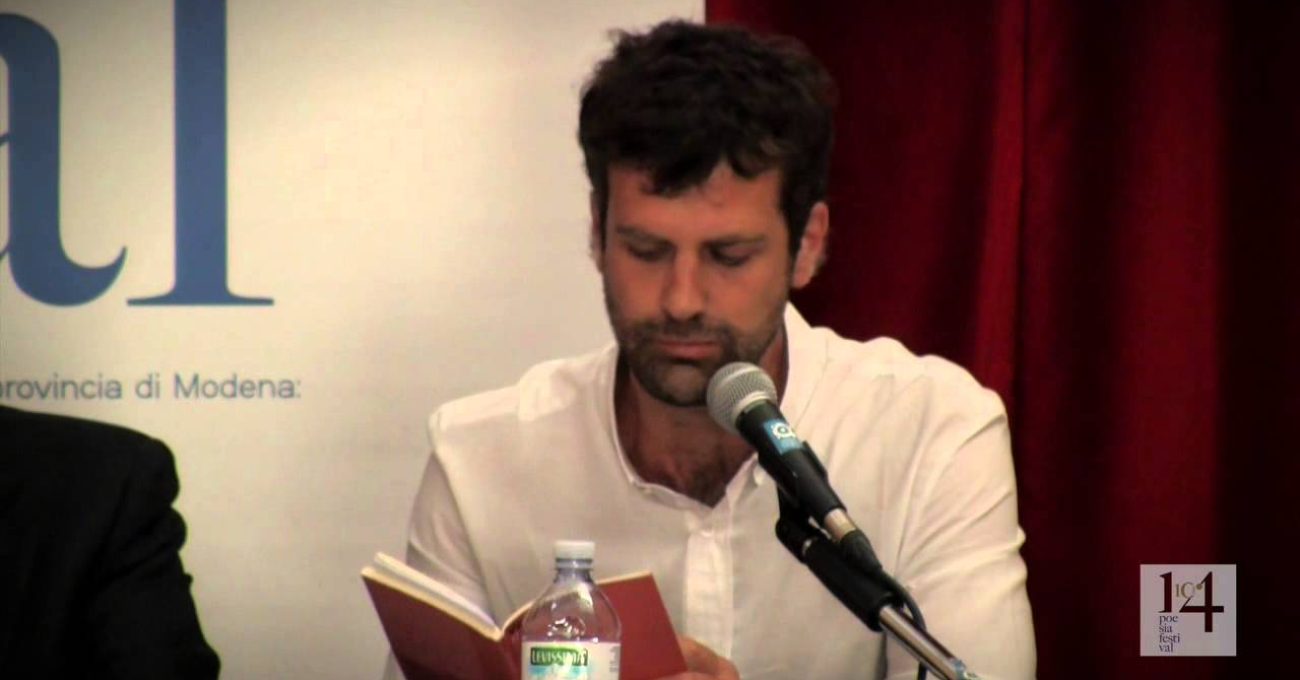
Another, related aspect that is very important for us is Ricoeur’s definition of translation as “linguistic hospitality,” a practice that prompts you to go toward the other before inviting the other to your own home. In this sense translation represents a model for other types of hospitalities.
“The bitter edge of the blustery cold softened as the fog dropped over the land, thick as a felt saddle blanket. The mountain paths and ravines were no longer distinguishable, making it impossible to guess how much distance remained ahead. Features of the landscape known popularly as the Frenchmen’s Chamber, Deaf-mute’s Crevice, St Severin’s Elbow, the Cross of the Sacred Heart, had all vanished.”

“Medium-term goals include book fairs in schools, prisons, and refugee camps. The project’s long-term goals include a radio show and a museum for rare Arabic books.”
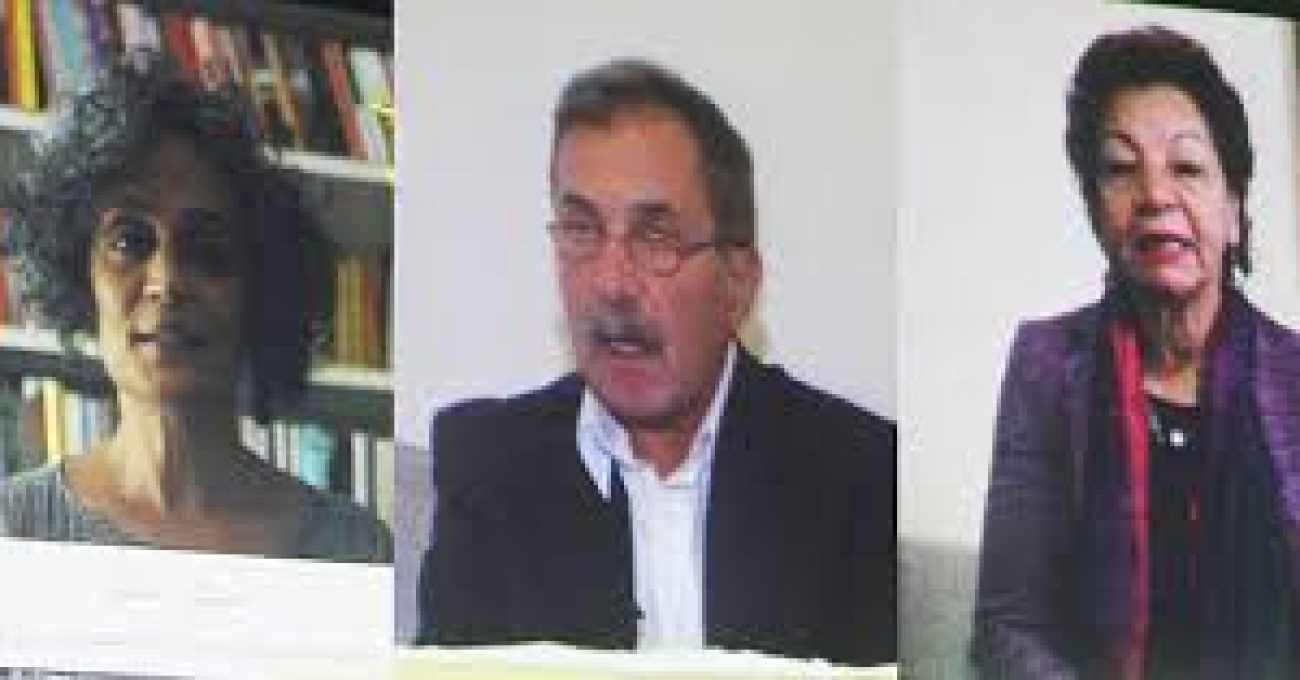
The winners were announced by Palestinian writer Ghassan Zaqtan, one of last year’s three laureates.
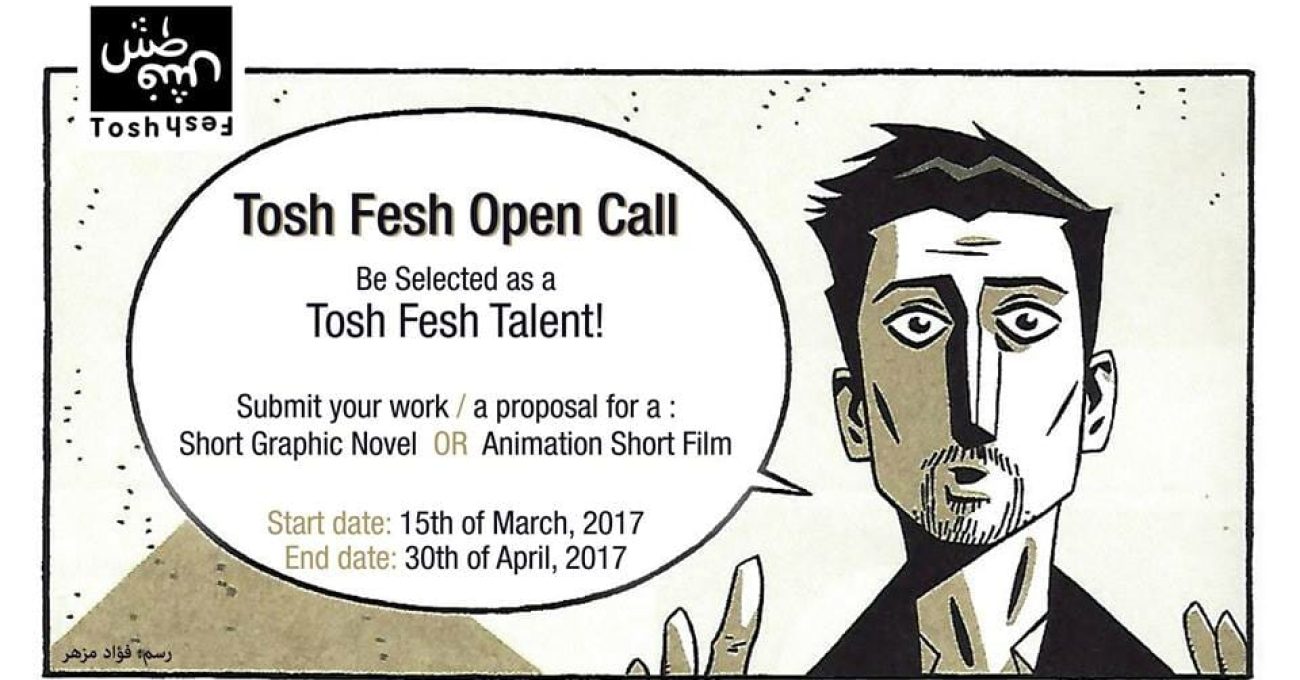
“Tosh Fesh will choose four graphic novels from among those submitted. They’ll fund the projects’ creative development and production, offering writers $2,000 as well as printing and distribution.”
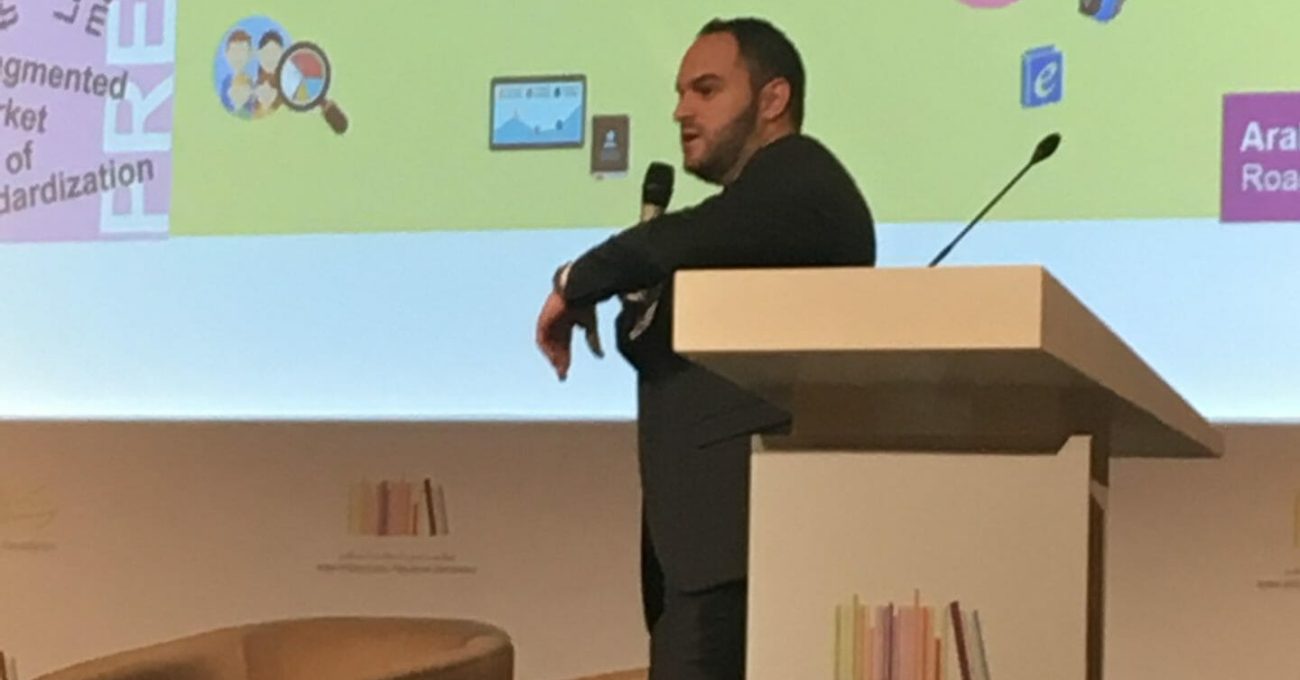
“What is also surprising is that we expected the Gulf to be the greatest consumers of digital content as they have the strongest purchasing power. However we have found that Arabs living abroad are the most excited and invested in this digital content as they are unable to buy the books they want outside of the Middle East.”
“I remember Emile Habibi, the great Palestinian novelist, once said to me, How dare you give the characters of your novels Christian or Muslim names?”
“I prefer…to place the novel into a certain constellation of recent works that are set in imaginary (or semi-imaginary) yet entirely recognizable settings – works such as The Queue by Basma Abdel Aziz, Otared by Mohammed Rabie, Paul Beatty’s Sellout, Dave Eggers’ A Hologram for the King, Colson Whitehead’s The Underground Railroad. “