
Huzama Habayeb on the Painful Process of Writing and the Joy of Reading
Yet it was in Kanafani’s Men in the Sun, Habayeb says, that she found what it meant to be a Palestinian. “I cried because of this discovery.”

Yet it was in Kanafani’s Men in the Sun, Habayeb says, that she found what it meant to be a Palestinian. “I cried because of this discovery.”

Not that I was usually punctual, but because the traffic was unexpectedly light along the corniche, flowing so smoothly a passenger in the microbus kept saying, “What’s up?”—unconvinced by any of the answers of the other passengers, commenting on them: “For sure, it’s something else,” without adding a different answer.
“Good bye, then. You can’t understand my argument. I’m tired of what I have seen and heard from men.”
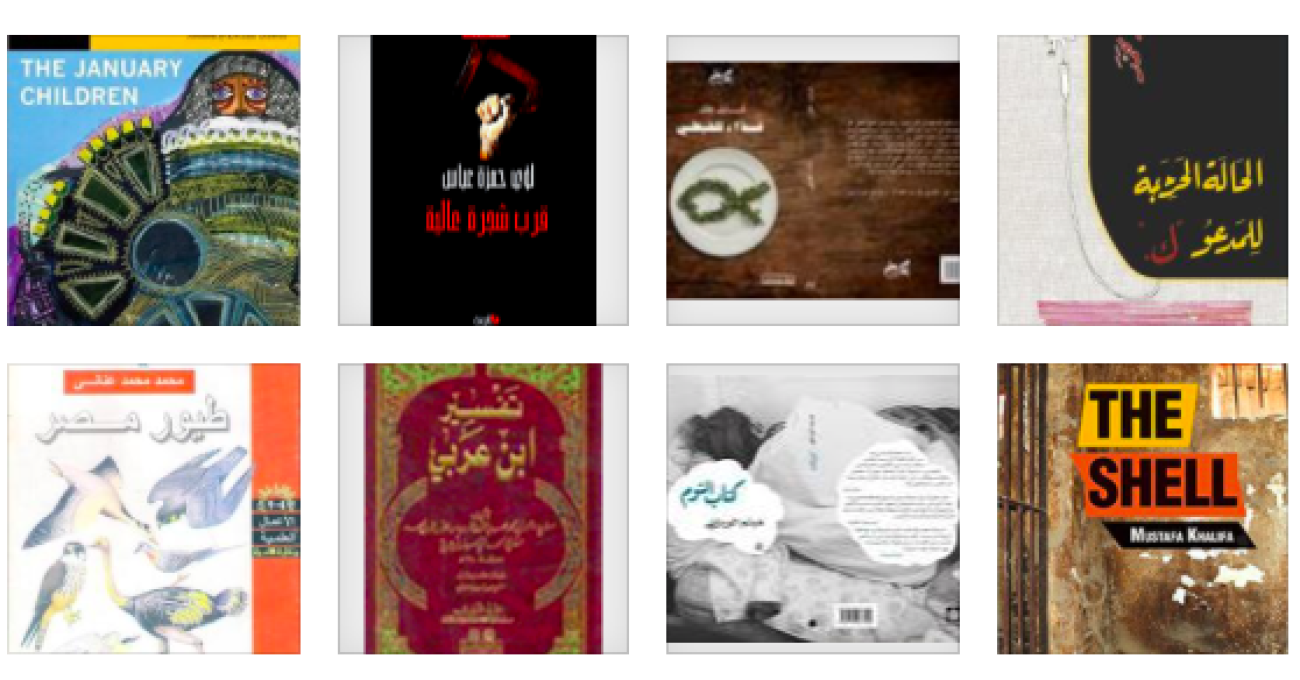
Twenty-two Arab writers share their favorite reads of 2017.
“These days, he was spending most of his nights glued to the news bulletins reporting on the erupting revolution in Egypt. There was hardly a morning when he managed to get even one or two hours of sleep. It was during one of those rare and fitful moments of rest that the phone rang.”
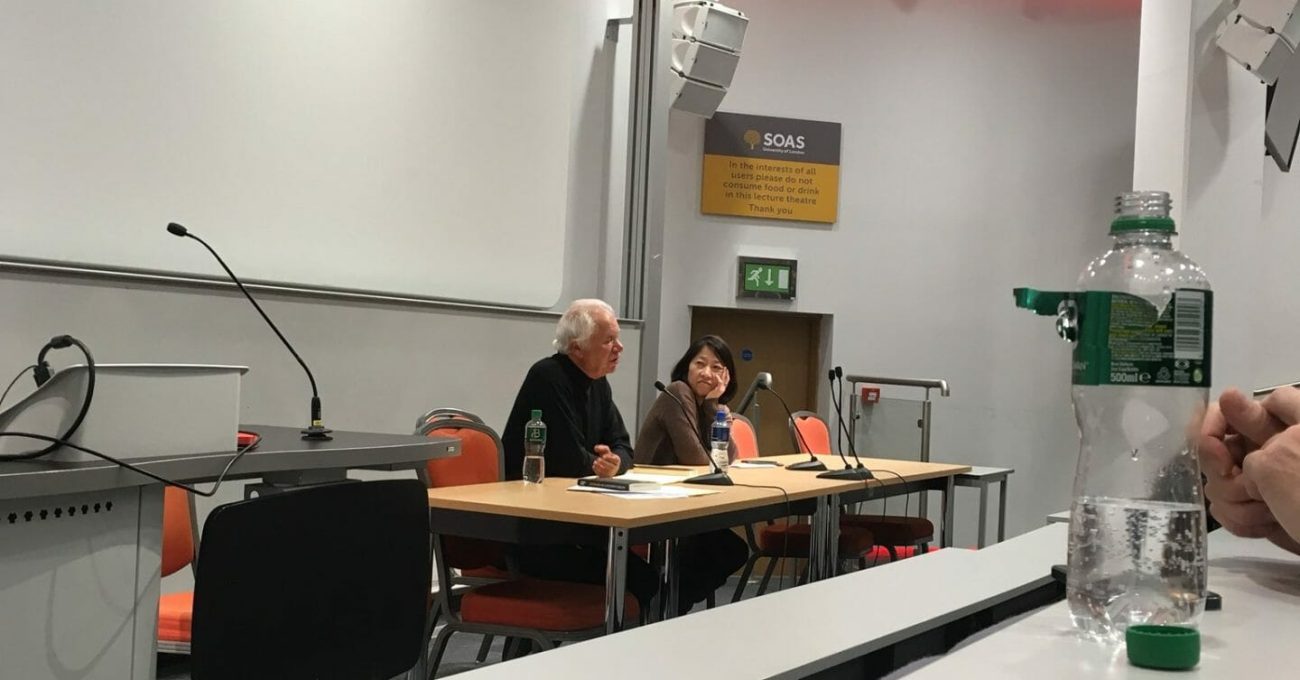
“Poetry, Barghouti pointed out, is his way to explore and discover ideas, but ideas don’t drive the poem.”
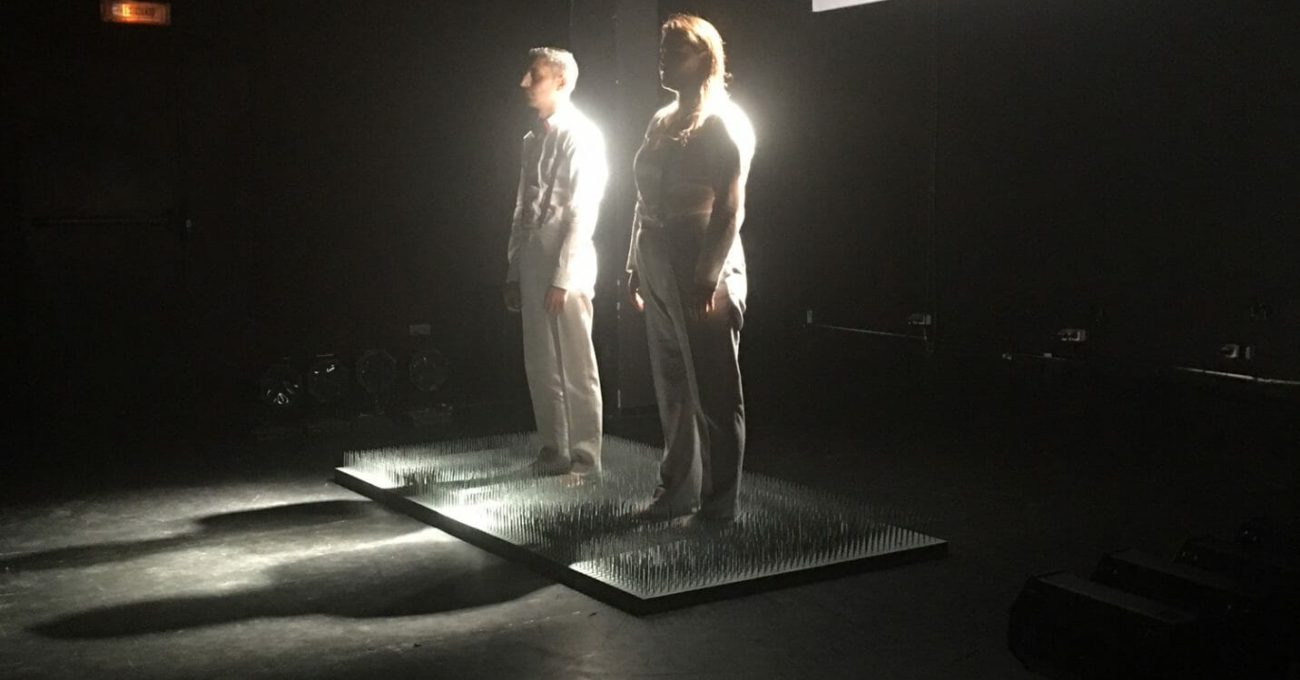
” Instead, people have been trying to find ways to approach it from different angles – to sneak up on the revolution from behind.”
The judges will be the editors of World Literature Today magazine, and the winners — in both prose and poetry categories — will each take $200.
This year’s participating writers, according to IPAF organizers, range in age from 26 to 40 and come from six different countries: Oman, Sudan, UAE, Iraq, Saudi Arabia, and Palestine.