
Post-2003 Iraqi Literature in Translation
At the request of a reader, these are not just books by Iraqis published post-2003 (which would obviously include many more), but literary works that specifically comment on the post-2003 landscape.
At the request of a reader, these are not just books by Iraqis published post-2003 (which would obviously include many more), but literary works that specifically comment on the post-2003 landscape.
In January, the Katara Cultural Village announced its intention to launch a new big-money Arabic novel prize. Now, the prize’s web presence has launched (http://www.kataranovels.com/ @kataranovels), revealing details of the $650,000 prize.
Youssef Fadel’s “A Rare Blue Bird That Flies with Me” is on the six-strong shortlist for the International Prize for Arabic Fiction. Cristina Dozio reviews it, and finds time runs, in this evocative novel, runs in many different sorts of ways.
At the end of last month, Iraqi poet, scholar, and novelist Sinan Antoon gave a lecture on literary translation titled “Translation as Mourning” at Boston University. Neila Columbo was there: […]

Italian journalist Vittoria Volgare talked with the Libyan short-story writer Omar al-Kikli, whose work has appeared in English translation Banipal and Jadaliyya about al-Kikli’s 2012 prison memoir, Sijniyat, a testament to the years he spent in Ghaddafi’s prisons.
Fawaz Azem, who earlier shared his translation of poems by Dima Yousf and Nihad Sayed Issa, has now translated a new work by the Syrian writer Derar Soltan Kurdieh, “My Fingers Are Not Enough.”
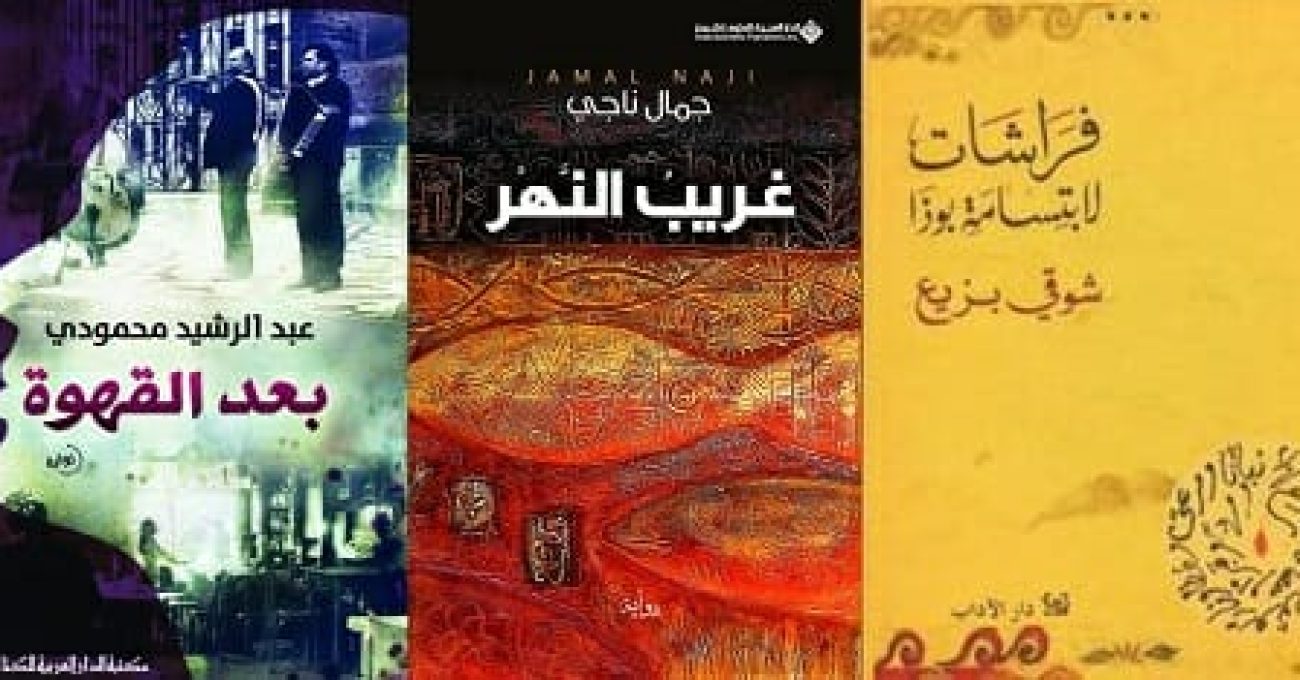
This year’s seven Sheikh Zayed Book Award shortlists have been announced.

Translator Gregor Schoeler notes that Abul ʿAla al-Maʿarri’s “The Epistle of Forgiveness” has been linked to Dante’s “Divine Comedy.” Yet al-Maʿarri’s description of the hereafter, unlike Dante’s, seems shot through with a strong sense of irony. What does al-Ma’arri mean by it? When is — and isn’t — he being ironic? Schoeler talks about the parallels between the “Epistle” and the “Divine Comedy” and why irony complicates the translation process.
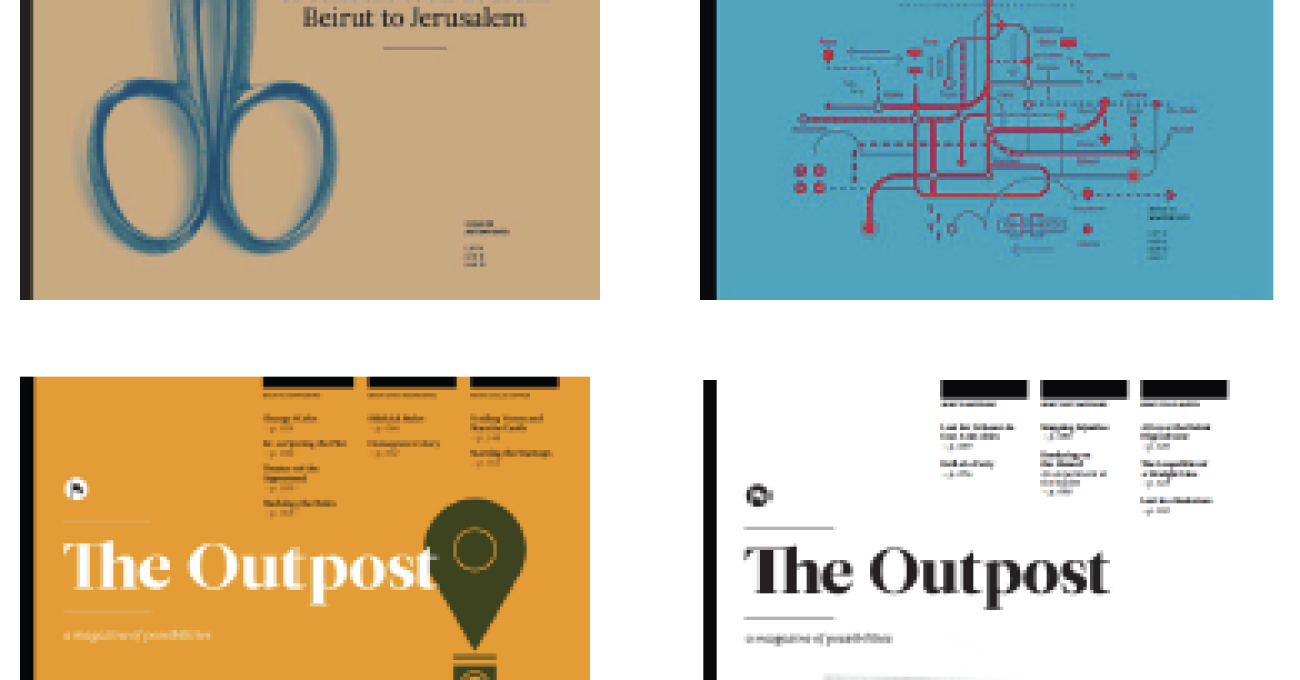
The Beirut-based magazine “The Outpost” — which focuses on “possibilities in the Arab world” — is crowdfunding its second year in print. ArabLit asked editor-at-large Ramzi Nasir and editor-in-chief Ibrahim Nehme about why it’s been called “a successor to the ‘Economist,'” the role of English, and why print isn’t dead.