On the Khartoum Omnibus: Stories of Sudan’s Cosmopolitanism
“As Max and I read more short stories about Khartoum for the collection, we began to notice that Gaetano’s focus on a bus was far from unique.”

“As Max and I read more short stories about Khartoum for the collection, we began to notice that Gaetano’s focus on a bus was far from unique.”
“If there is a villain in this book, it is not Muammar Ghaddafi, who we never see. It is his bald son Seif[.]”

“To start with, a literary work is subject to taxes and customs, whereas a religious book is not.”
“Settling is the death of nomads: the scarecrow, then, is the fate of settling down.”
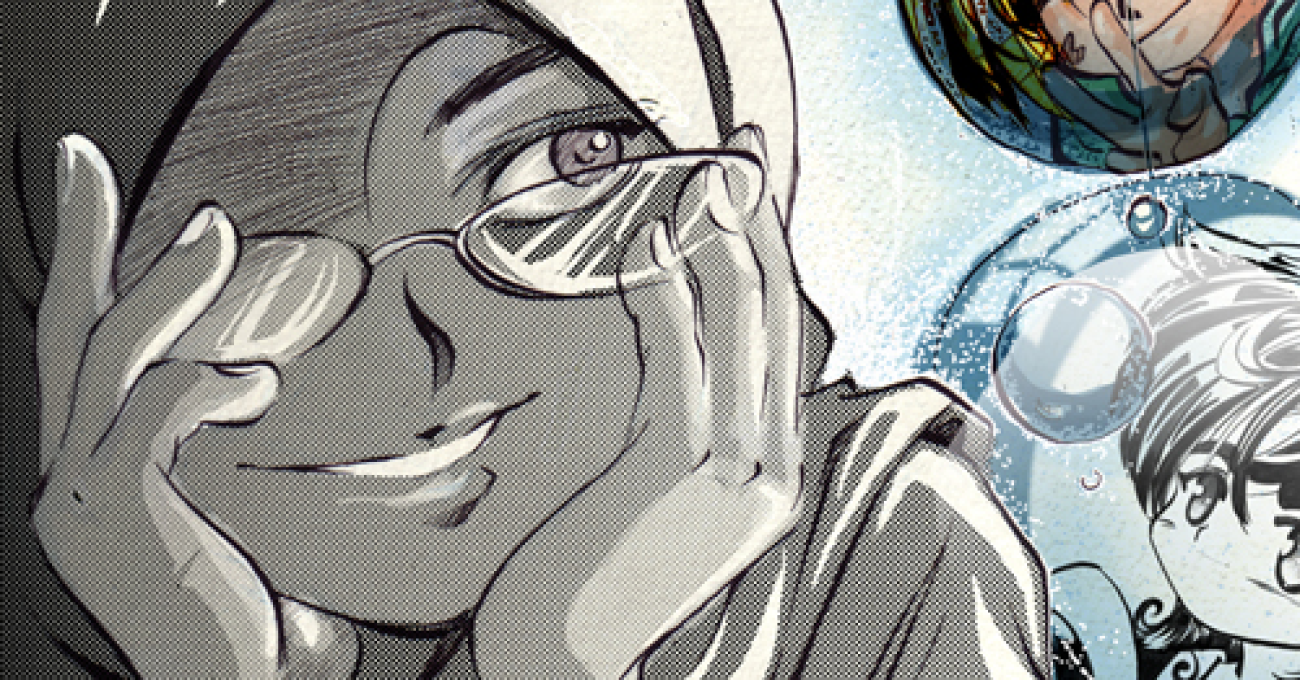
Translator Valentina Viene profiles “Muslim Libyan Arab British graphic novelist” Asia Alfasi, who has moved from writing about her identity to, more broadly, life in Libya and Scotland.

“I decided to translate him after reading the first few pages of ‘The Confines of the Shadow,’ so almost immediately.”

“Ongoing political turmoil may not bode well for Yemen, but if 2014 is any indication, the outlook for its national literary scene is a promising one.”

Wednesday morning, the MacArthur Foundation announced its list of “Genius Grants.” On the list to receive a no-strings-attached stipend of $625,000 is Libyan poet and translator Khaled Mattawa, who said he plans to use the money to further his translations and take on larger projects.

Translator Max Shmookler, who is currently co-editing a collection of Sudanese short stories with ArabLit contributor Raphael Cormack, continues to write, in a posts that first appeared on Baraza, about the challenges of bringing the “best” Sudanese literature into English.