From Mohamed Abd ElGawad’s ‘A Report on the Pussycat’
“It was ridiculous, the way the battle of tuk-tuks and microbuses began.”
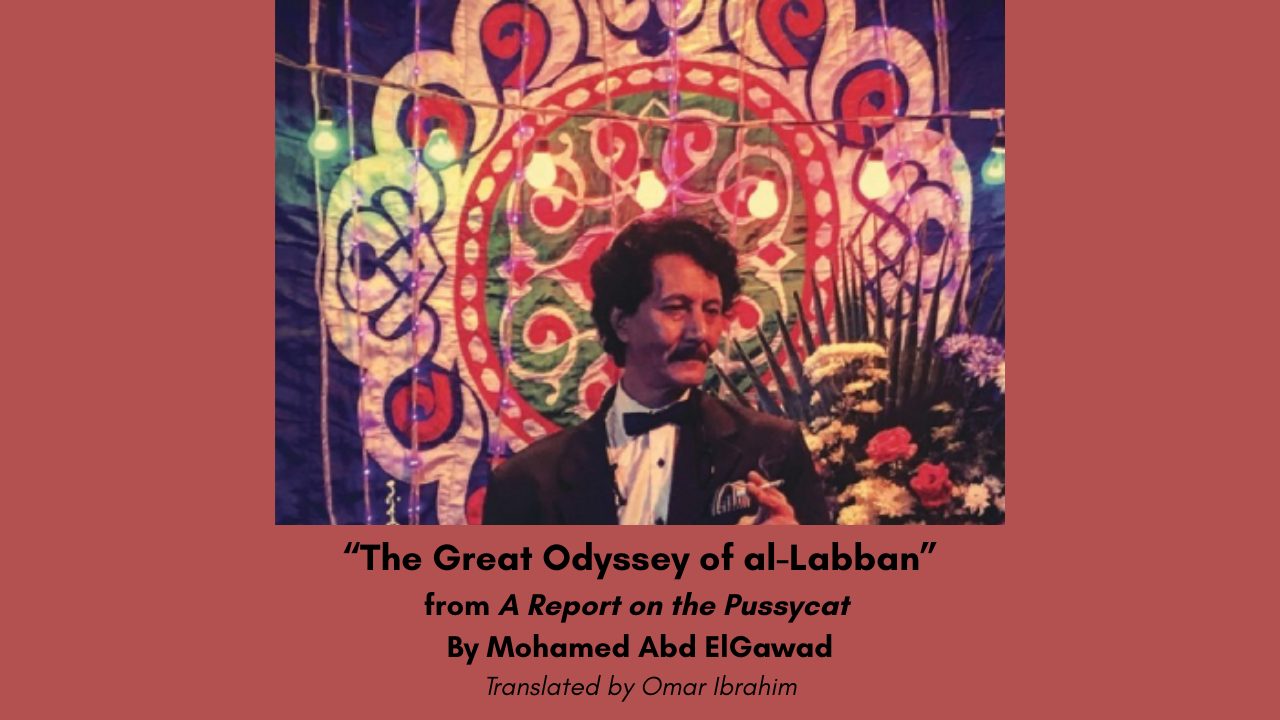
“It was ridiculous, the way the battle of tuk-tuks and microbuses began.”
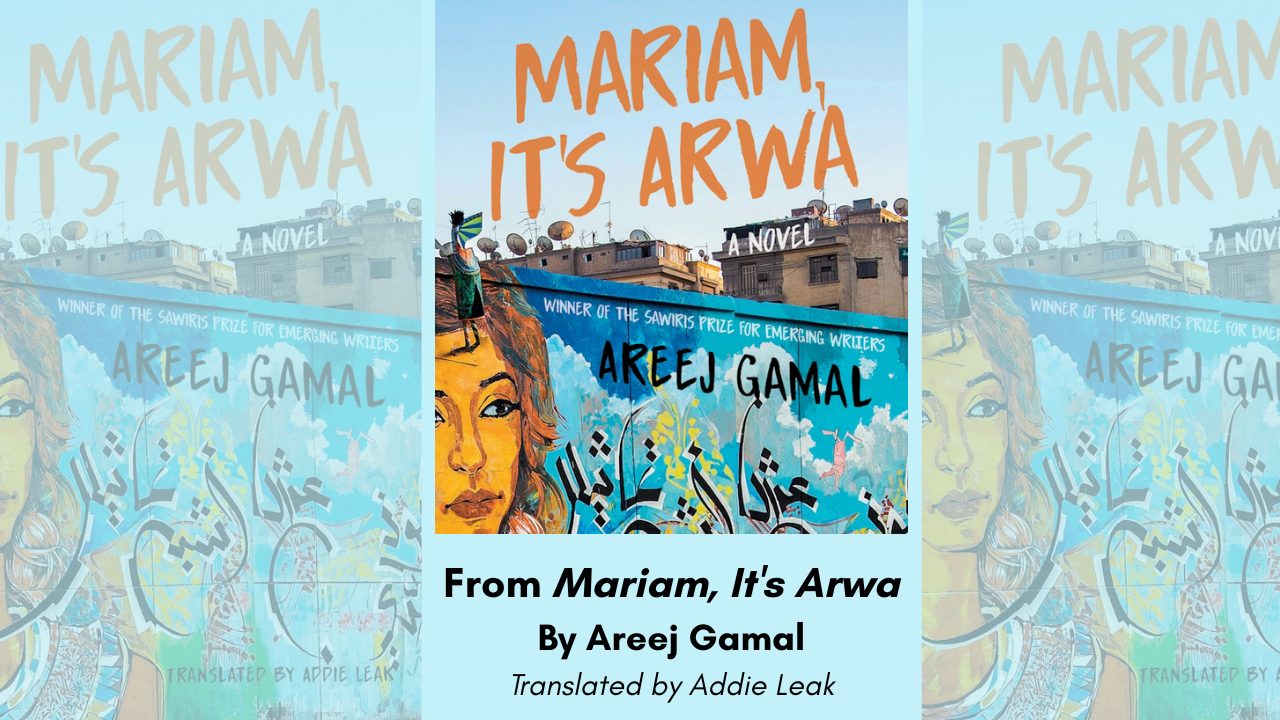
Areej Gamal’s Sawiris-winning novel Mariam, It’s Arwa appeared at the end of last month in Addie Leak’s translation. The titular Arwa and Mariam meet near Cairo University during the 2011 Egyptian uprising, and the encounter changes them both.
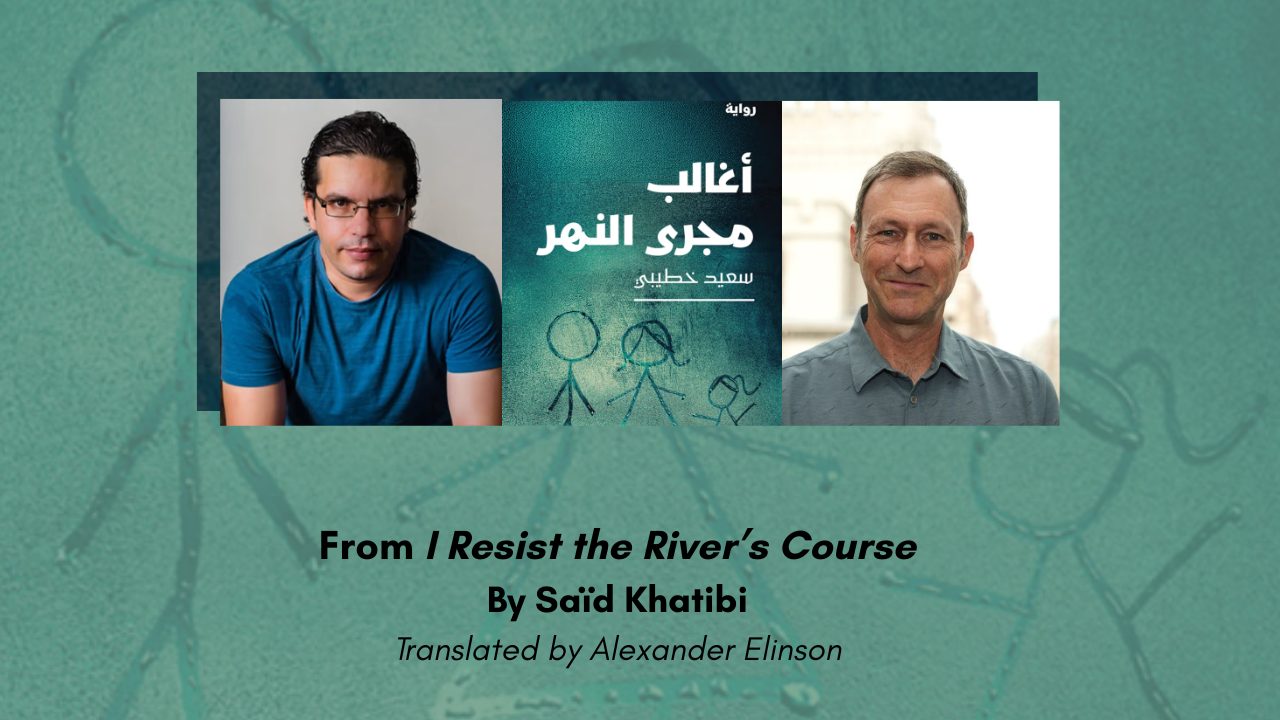
Saïd Khatibi’s I Resist the River’s Course — on the shortlist for the 2026 International Prize for Arabic Fiction (IPAF), with a winner set to be announced online April 9 — chronicles half a century of Algerian history, from the Second World War to the early 1990s.
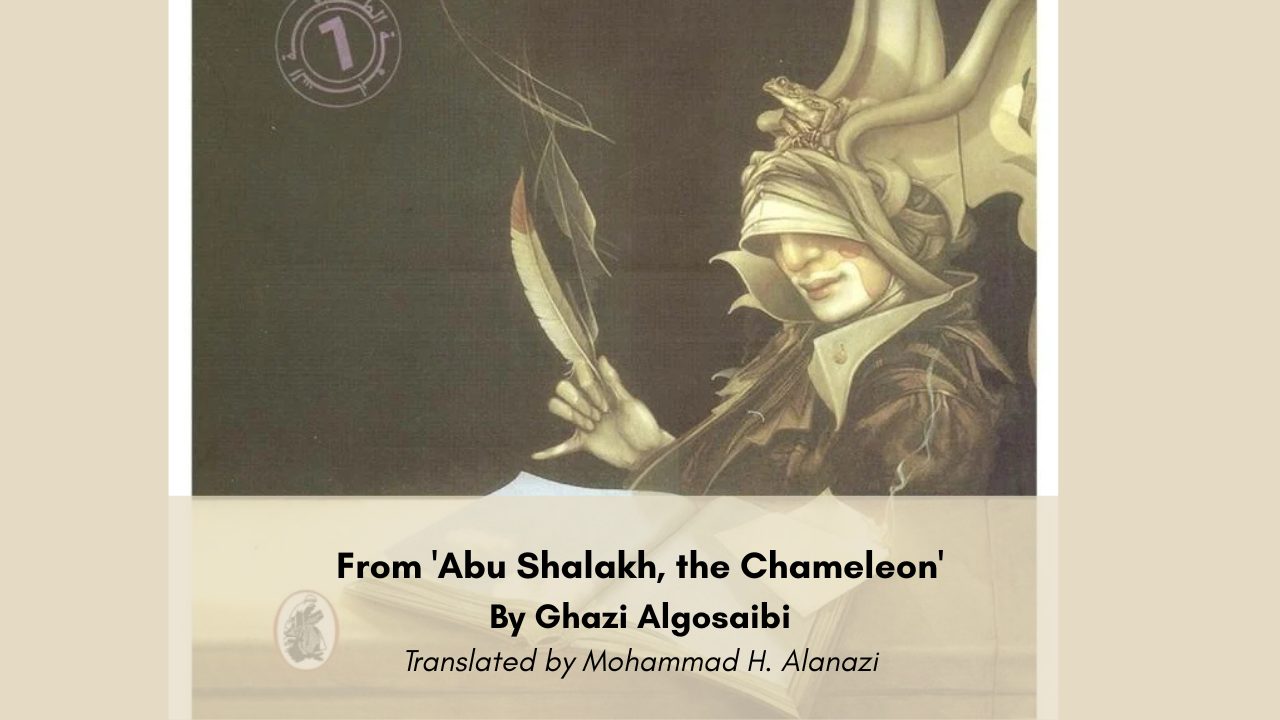
“Abu Shalakh, the Chameleon” is a 2002 fantastical, satirical novel by Ghazi Algosaibi (1940-2010) in which the Saudi literary giant and politician recounts the history of the Kingdom and its global entanglements through Abu Shalakh, a lovable liar, unreliable storyteller, and self-proclaimed “truth-teller.”
“He did not say goodbye when he rose to leave.”
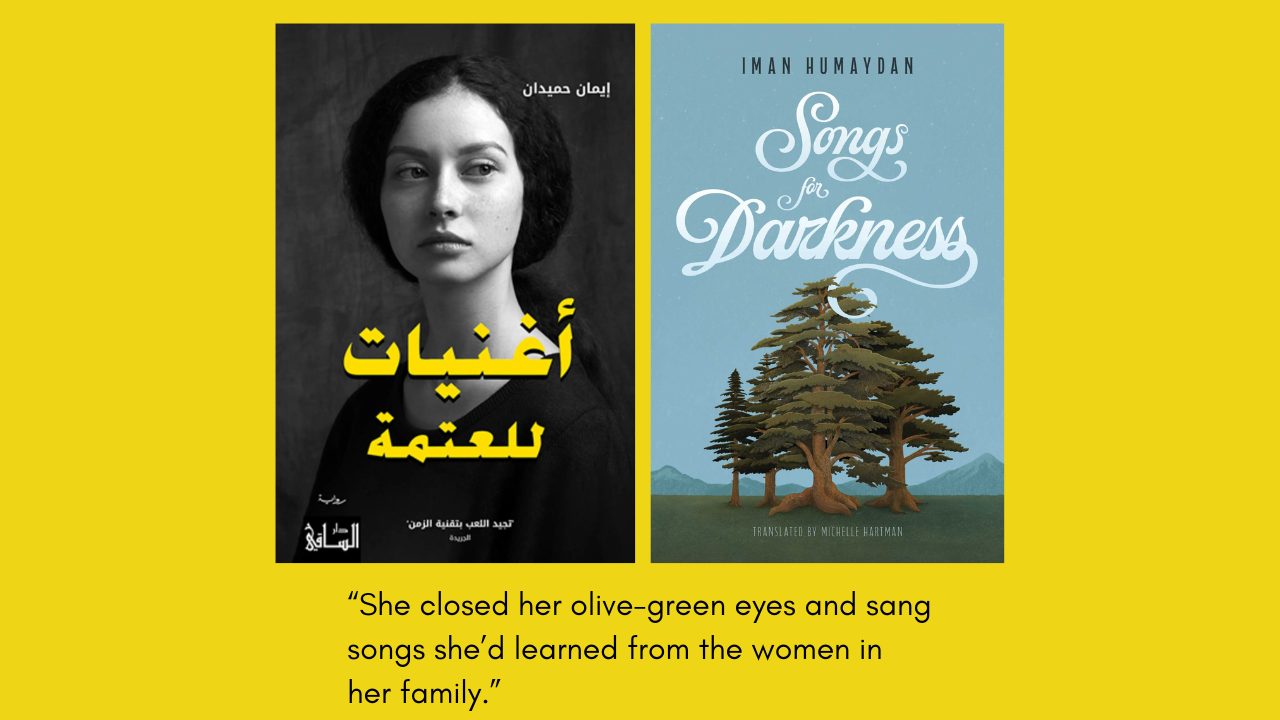
“She closed her olive-green eyes and sang songs she’d learned from the women in her family.”
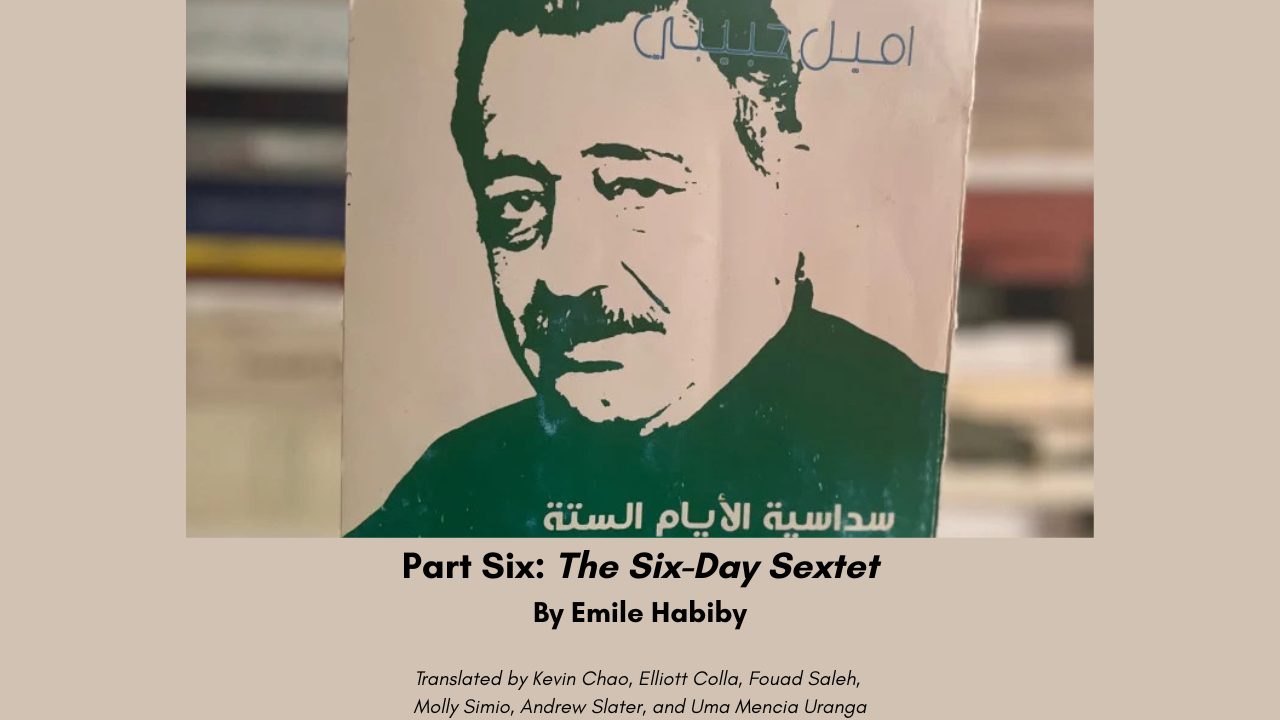
This is the sixth and final installment of Emile Habiby’s The Six-Day Sextet, which has been made available in an open-access, non-commercial translation by Invisible Dragoman.
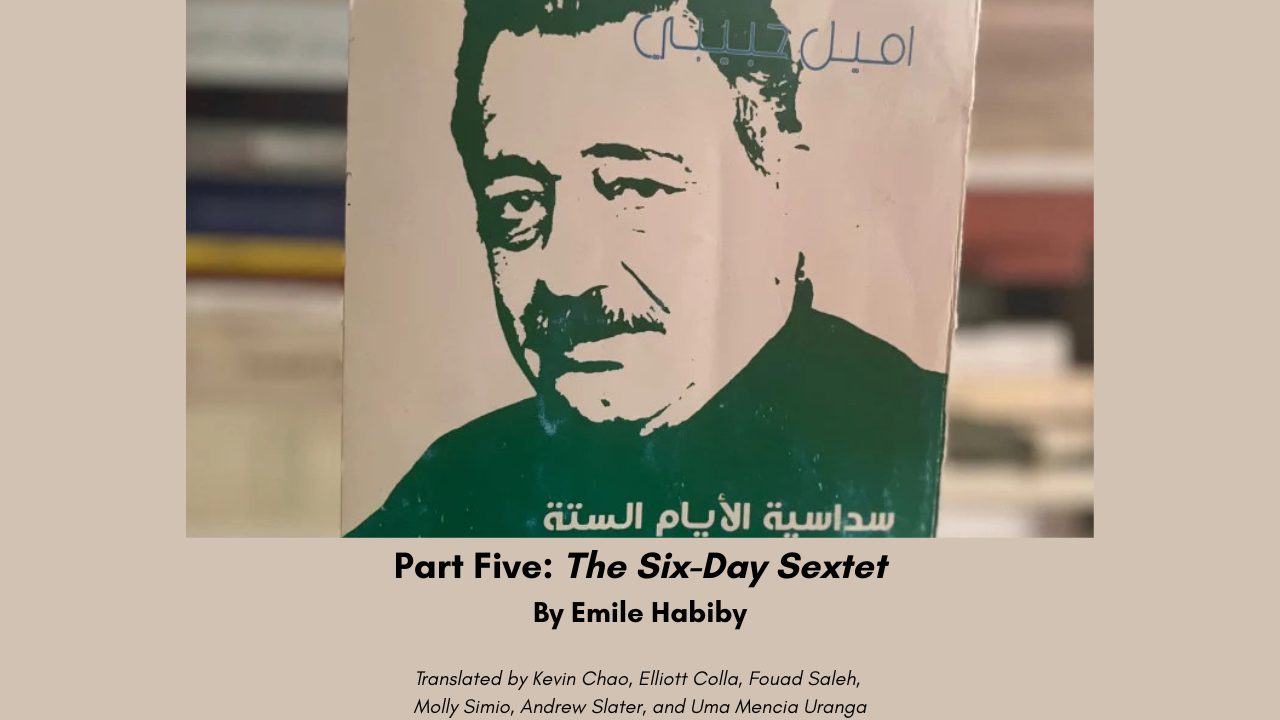
On Mondays this winter, we are publishing installments of Emile Habiby’s The Six-Day Sextet, which is available in an open-access, non-commercial translation by Invisible Dragoman.
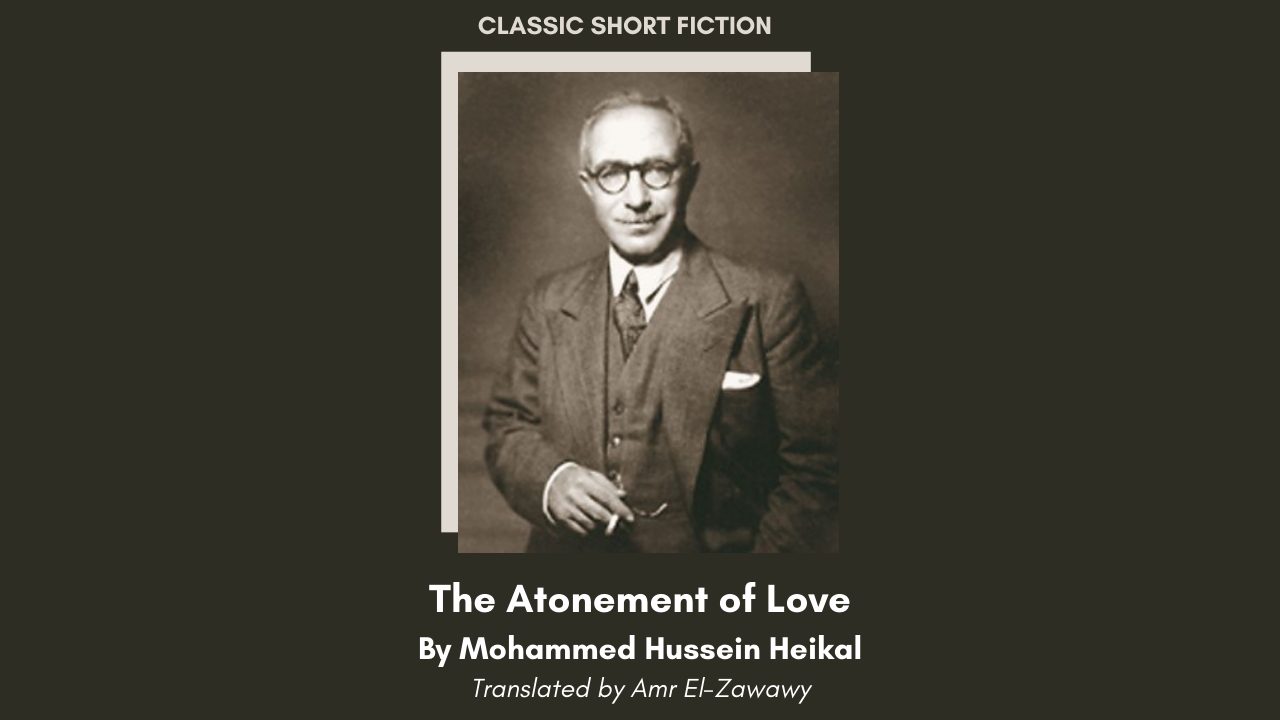
In this classic short story, a woman tries to find a love of equals in early twentieth century Cairo.