Friday Finds: ‘Arabic Readers Are Devouring’ Books Translated from Chinese?
“Arabic readers are devouring autobiographies by Chinese entrepreneurs like Robin Li, Jack Ma, Pony Ma and Ren Zhengfei.”

“Arabic readers are devouring autobiographies by Chinese entrepreneurs like Robin Li, Jack Ma, Pony Ma and Ren Zhengfei.”
The “non-language-specific” mentor for prose will be the brilliant Polish-English translator Bill Johnston, with the poetry mentor TBD.
“Comma Press offered us a choice from several short stories from two forthcoming books, ‘Iraq + 100’ and ‘The Sea Cloak.’ We were then asked to translate a short extract of our choice by a deadline and, if they liked the translation, then it would be used in the final book.”

“Wright pointed out that the Arabic original was framed as a translation itself, supposedly from a notebook written in Tagalog.”

According to organizers, “this conference aims to strengthen the visibility and access to high quality literary translations in the United States and to acknowledge that translators require the same training and skills as creative writers.”

“The other project I’m currently translating is called “the Mu’allaqat,” and I’ve tentatively titled the English ‘The Hanging Poems: The Ten Classic Works of Pre-Islamic Poetry.'”
“Providing a platform for Mamoun and other authors from the seven banned countries is even more important in a time when the US is shutting its borders and stoking racist xenophobia. But work like hers should not be forced to exist in a space defined primarily by the narrative of security. Eventually, I hope readers pick up these stories for their emotional intimacy, depictions of urban alienation, and blurred lines between reality and the imaginary.”
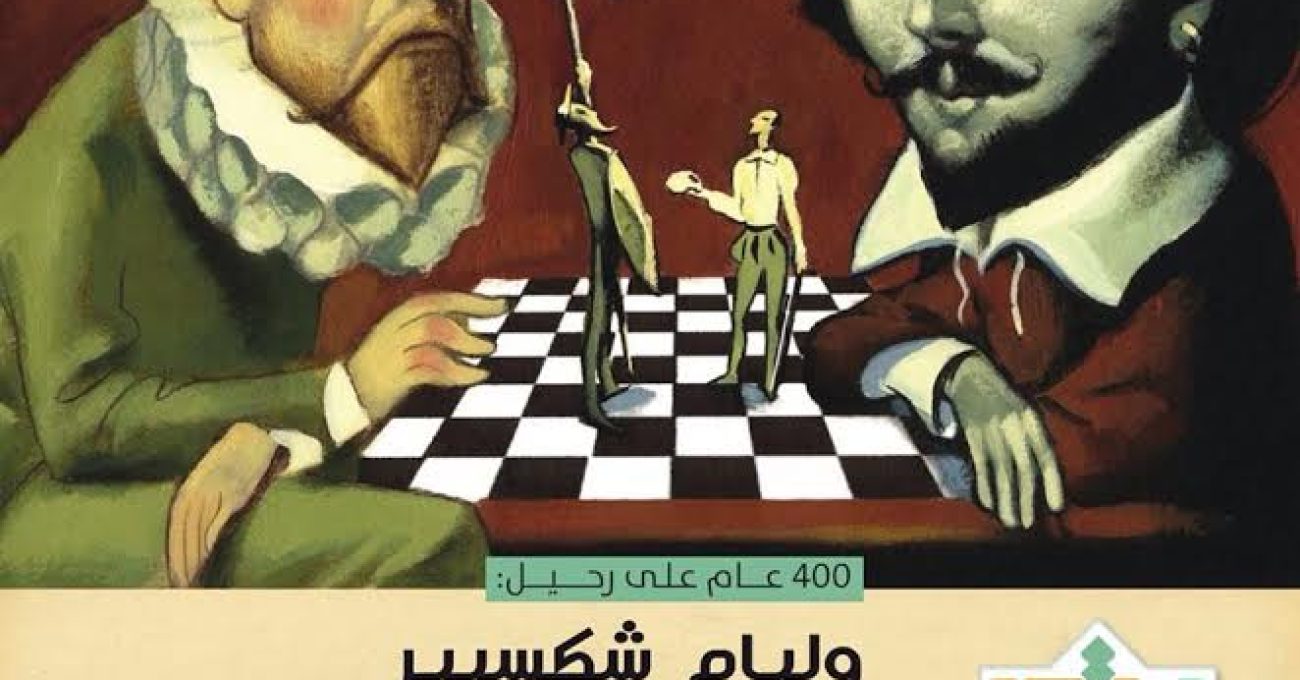
“If it were up to me, I might have given our hero an Arab name and origins in a Palestinian village few people had ever heard of. Maybe something like The Adventures of Don Abu Mukh from Baqa, or The Valorous and Witty Knight-Errant Don Rohana from Issifia.”
I’m not so interested anymore in the idea of translation as “marketplace” or “bridge”, but as a form of radical knowledge production. My current book translation project (the first in five years or so) reflects this interest: a long-neglected memoir by a young Egyptian communist (and woman) of the 1970s student uprising generation.