’48 kg’: Creating Life from a Desire to Diminish and Fade Away
Gaza-based Palestinian writer Husam Maarouf responds to Batool Abu Akleen’s ’48 kg.’
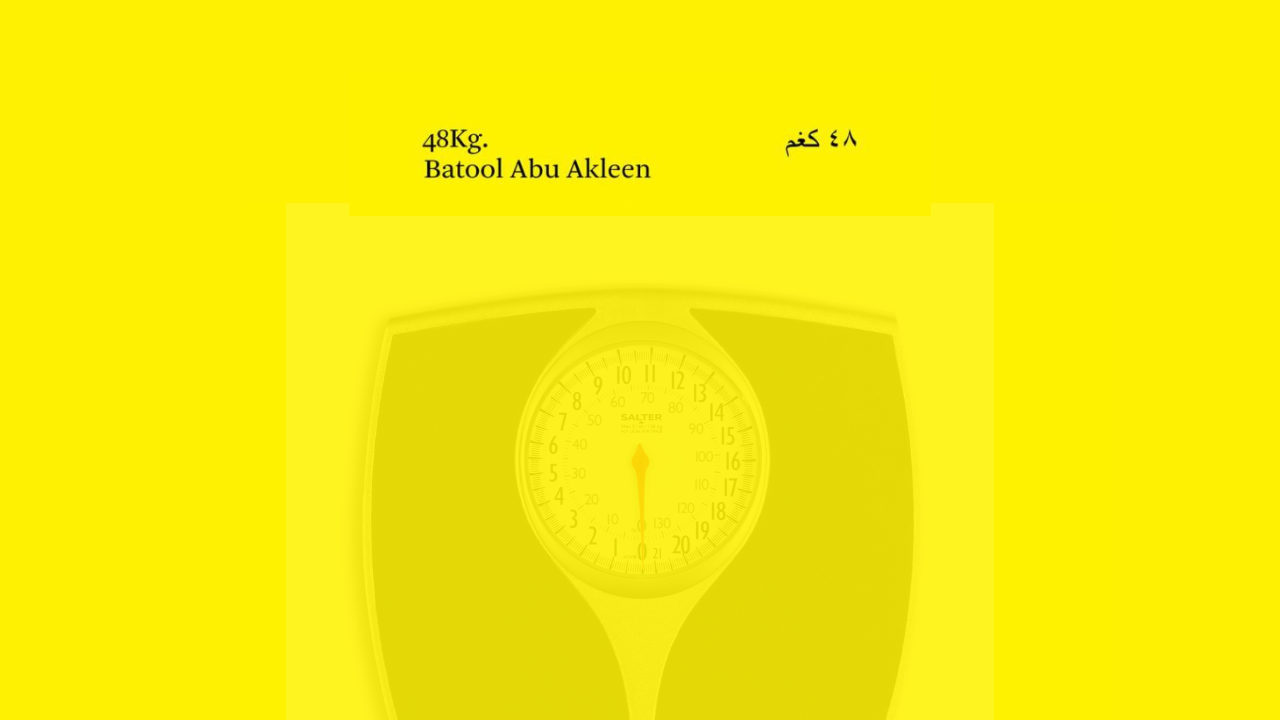
Gaza-based Palestinian writer Husam Maarouf responds to Batool Abu Akleen’s ’48 kg.’
Writer Husam Maarouf returns to Deir al-Balah in what feels like the same displacement and return he experienced only months ago.
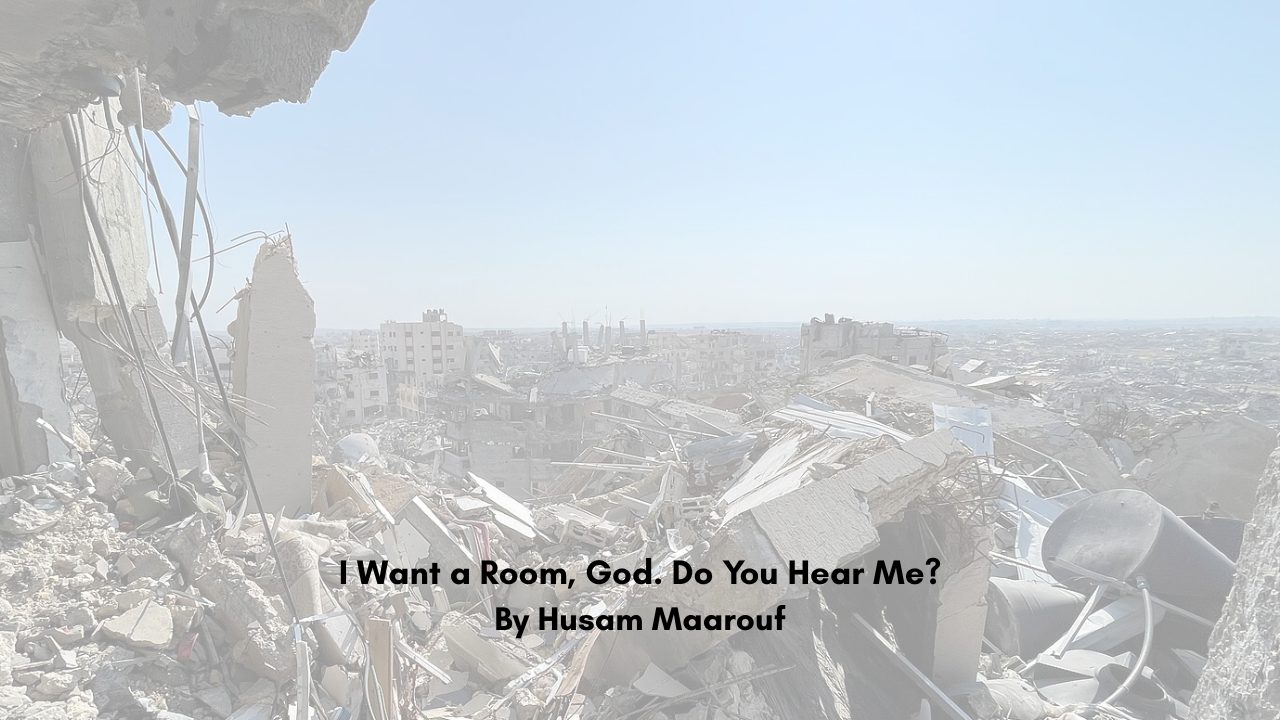
“Even writing, even a warm home—I am afraid of losing them at any moment, of becoming homeless again, of searching for a language that resembles me.”

“The world is small,” they say. But Gaza taught me that the world is too big to be shaken by the small tragedies that happen here. Too big to care about a starving human being who only dreams of crossing a crossing.

Husam Maarouf writes about what it’s meant to be a reader before and during genocide.

“The hunger I’m experiencing now is not what I imagined. It’s not what you imagine, dear reader. It’s not just an empty feeling in your stomach. It’s a numbness that spreads from the gut to the brain. It blurs memories, weakens vision, and turns every thought into a deep excavation that the mind can’t bear. Hunger steals the simplest human abilities: concentration, patience, sensation, the desire to say something. Thinking becomes a luxury. Words become weights that cannot be lifted.”
Hiusam Maarouf talks about the new publishing house “Gaza Publications,” saying that the idea “stemmed from the fear of obliteration and erasure that threatens the Palestinian story.”
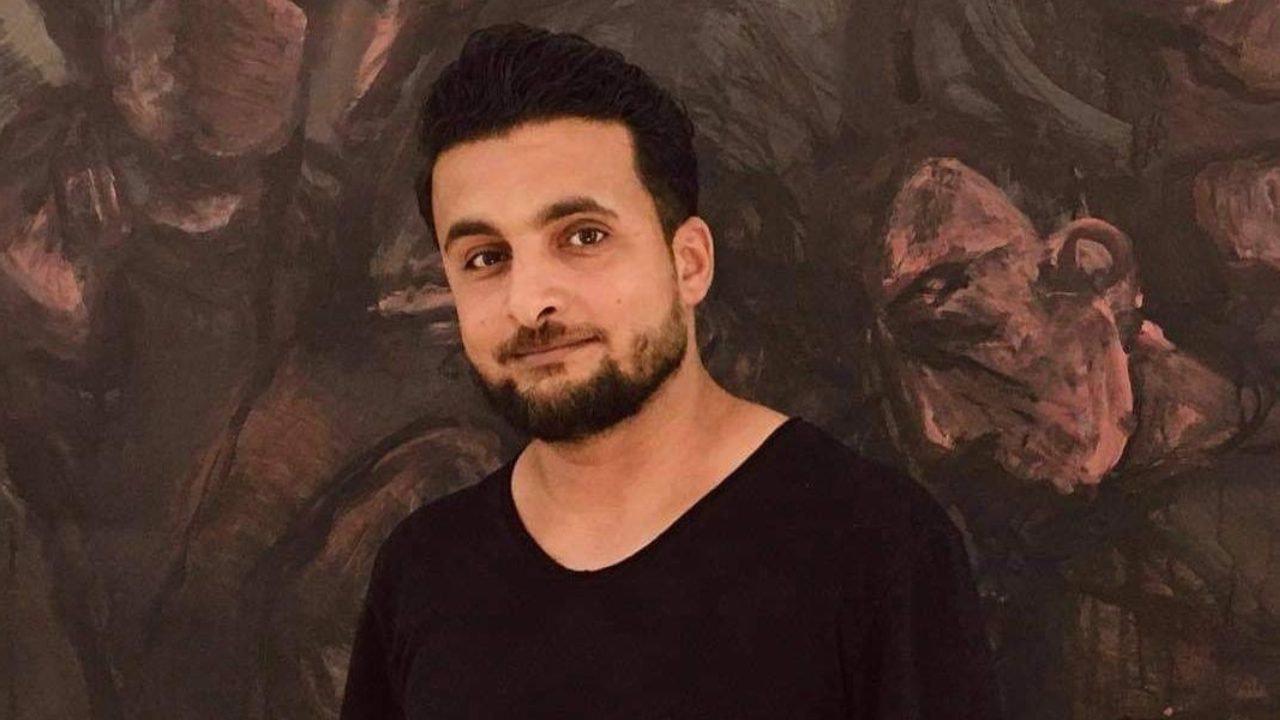
In this essay by Husam Maarouf, he writes: “Isn’t it strange for someone to laugh in Gaza? Here, laughter is not because destruction is amusing or enjoyable—it is a moment of nakedness before the self, a full exposure. One has no choice but to laugh.”
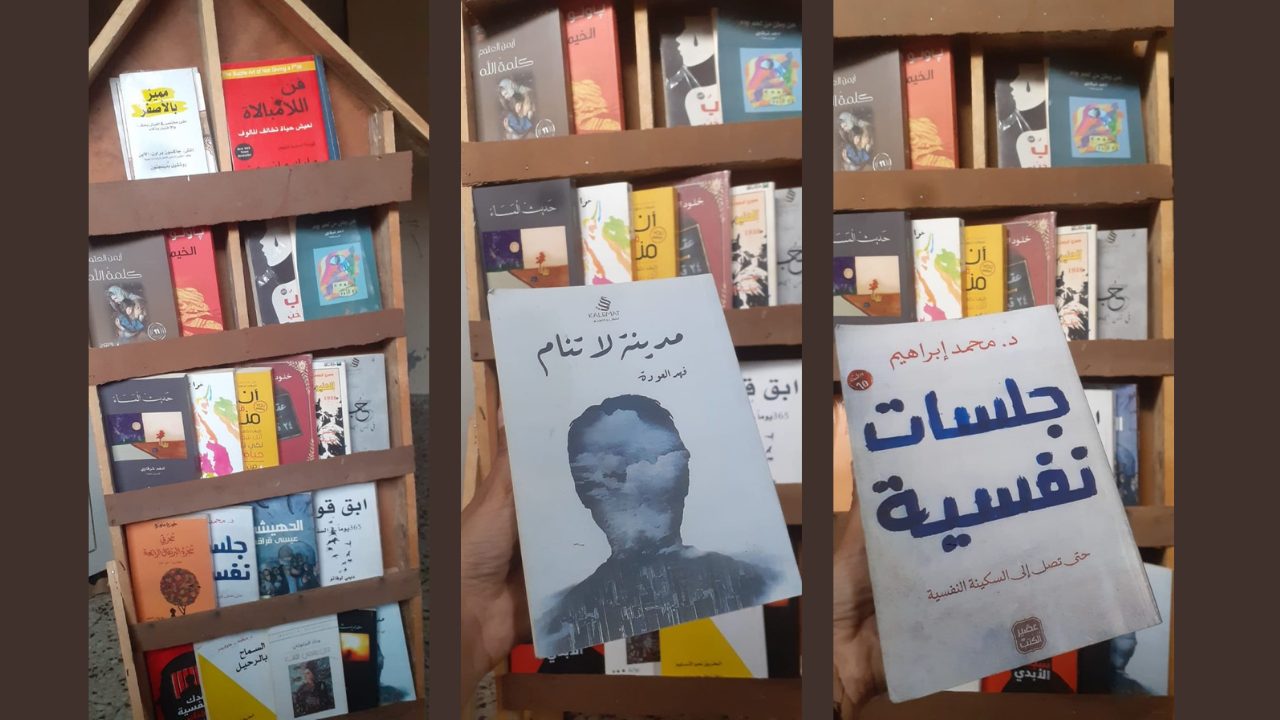
This is the start of what we hope will be a series of pieces by poet and journalist Husam Maarouf on reading, writing, and publishing in Gaza. By Husam Maarouf […]