Yahya Lababidi’s ‘If You Cannot Say Genocide’
“If You Cannot Say Genocide” explores a question familiar to Palestinians: how can they talk about what is happening in Gaza without saying the exact word for it?
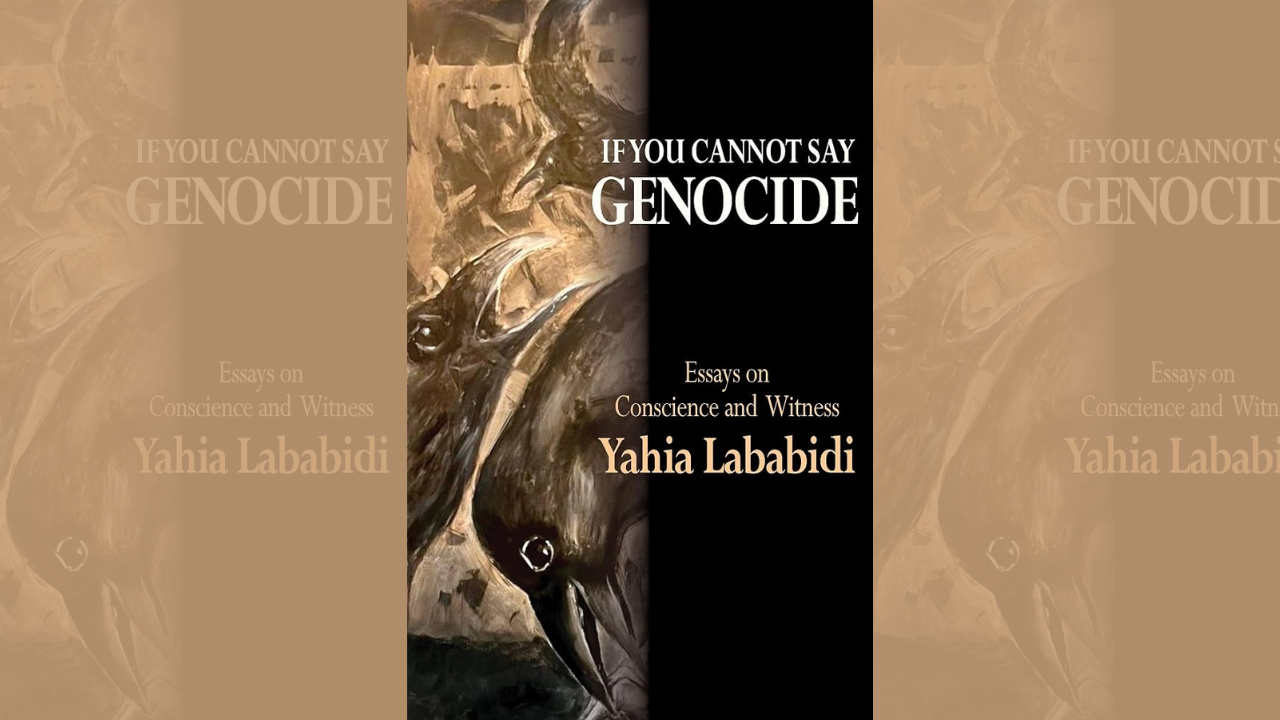
“If You Cannot Say Genocide” explores a question familiar to Palestinians: how can they talk about what is happening in Gaza without saying the exact word for it?

Here, Leri Price talks about the referred trauma (and guilt) of translating testimonies from a genocide, how she worked with translators bringing the book into other languages, and the particular challenges of translating this book.

How do trees survive when fall strips them of their green leaves, and snow suffocates them, turning them into rigid white ghosts that frighten birds and leave no room to breathe?

“I am a walking dissonance, a transmission without a terminal.”
On a review that nearly didn’t happen.
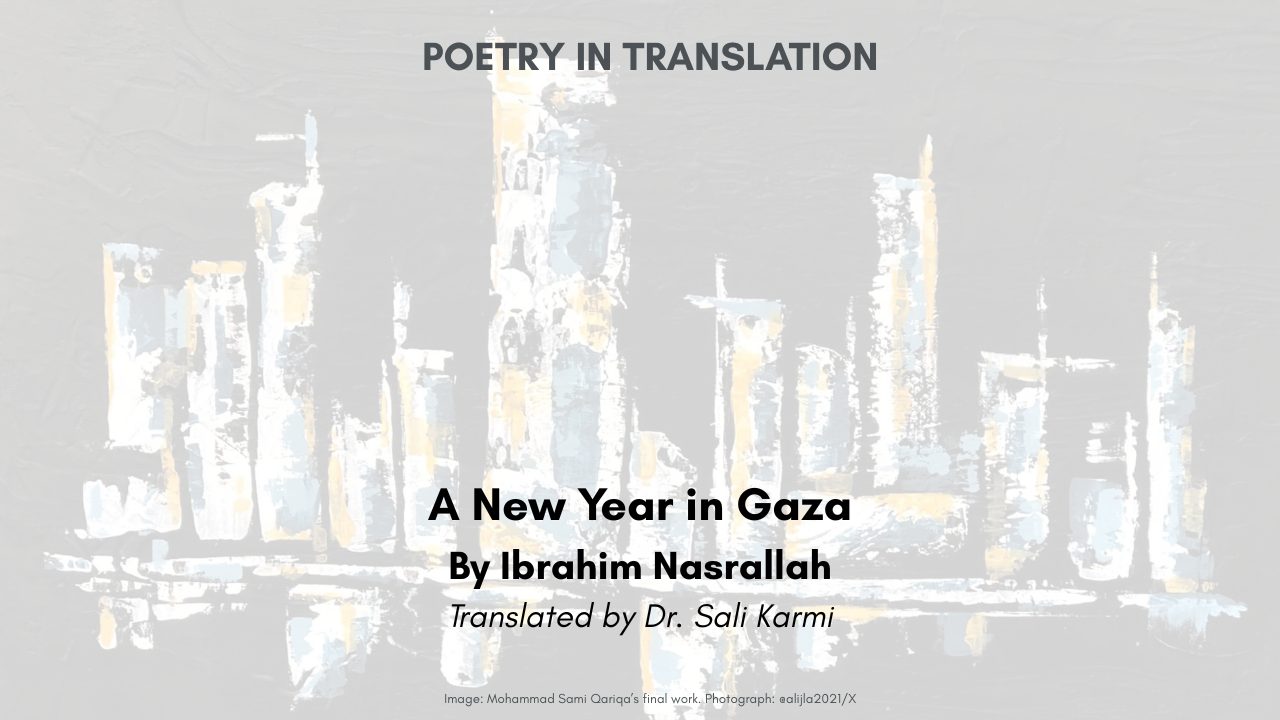
The people named in this poem are the writers, painters, and musicians martyred in the genocide. They are only a few of the many artists who were martyred in the past two years of war against Gaza.
“I survived—came out of yesterday / alive, carried out on the shoulders / of the wind.”

Salah and Abdullah’s small bookshop in Nuseirat is a testament to the power of literature. A model of Palestinian endurance.
While gasping for breath, I write. While my heart is panting, I count all my organs. Who will delete this wound from memory? Who will draw the hardships from my heart? Who will calm it?