New to Watch: Online Video Discussions with Algerian Writers
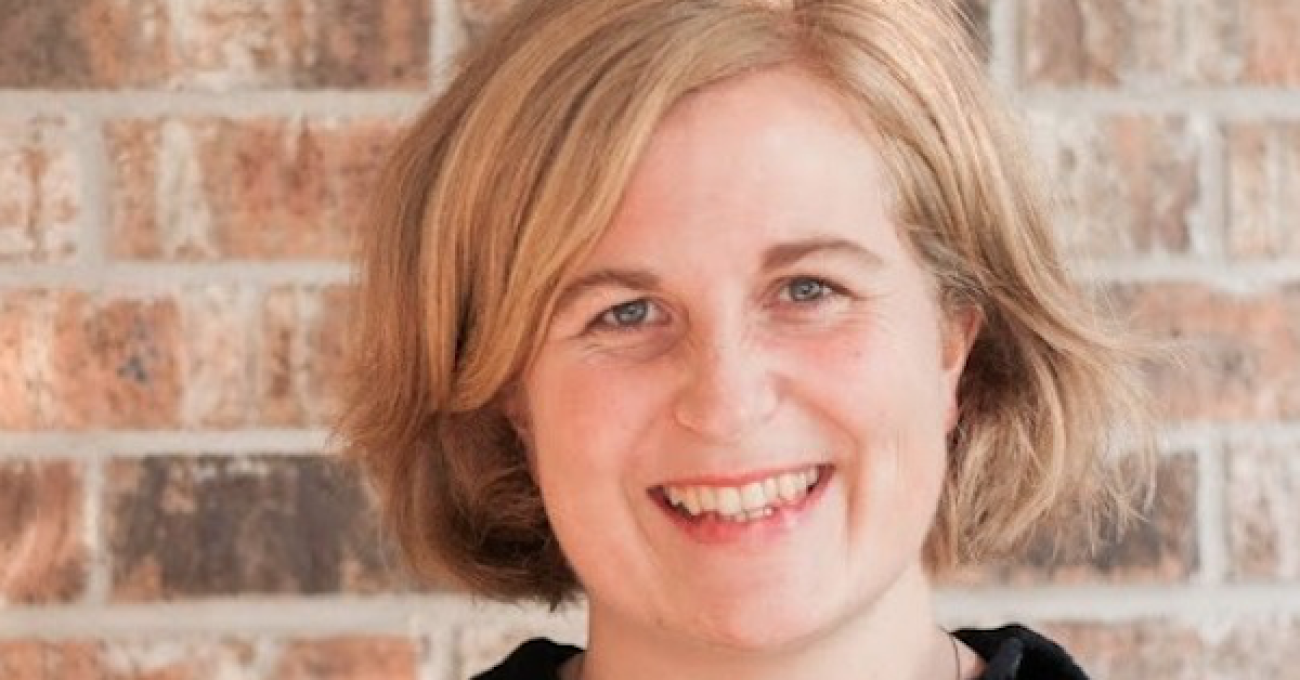
“After every interview, I feel that I have visited Algeria from my house in Oxford.”
“Dalimen Editions really want to widen comic books’ readership. We want to strip away this image of comix as books for children. We have albums aimed at young readers, of course, but we have others for adults because comic books speak to everyone and are accessible to all.”
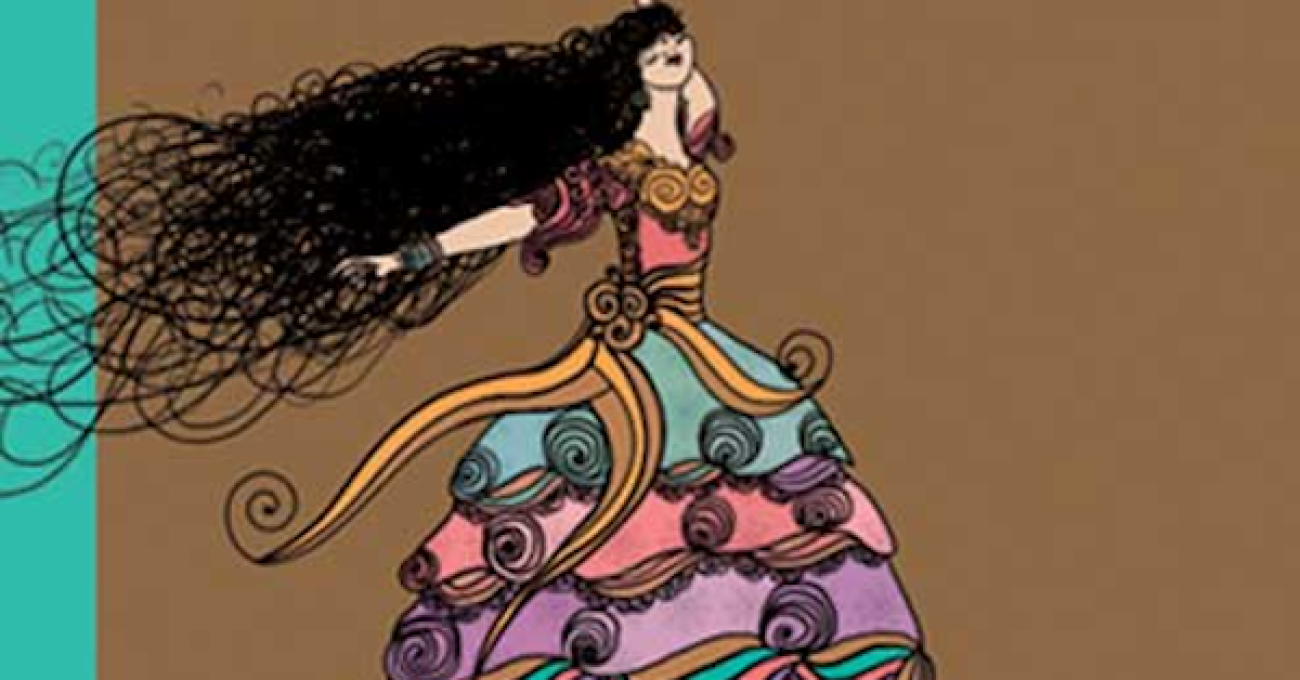
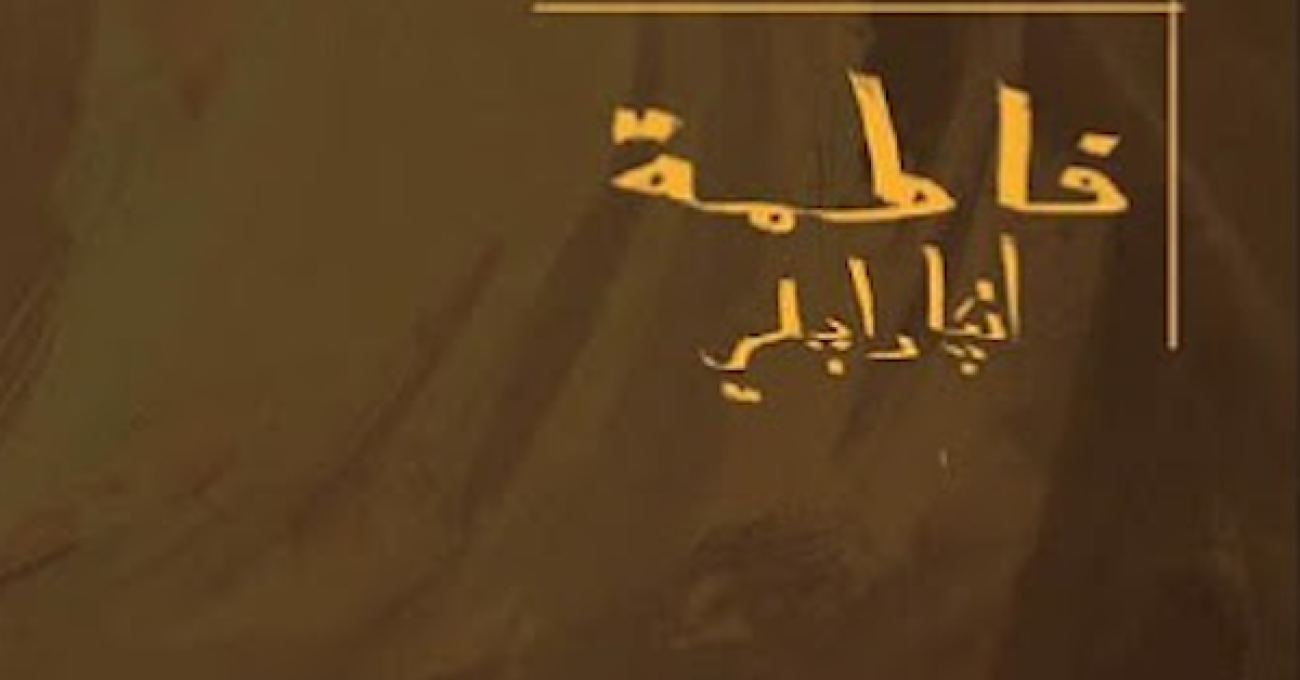
In addition to being “mad,” she was also very clever, and could compose rhyming poetry off the top of her head. She was also a tragic figure in that her mental illness set in after the death of many members of her family during the war, and she was forced to raise her four children on her own.
“A few days ago, I attended the Kuwait Book Fair, and saw that all Arab countries were there, represented by more than one publisher, except Algeria, and this is because of backward laws.”
“When the war began in Sarajevo I was a child. I was in southern Algeria then. We sang songs in school about the children of Sarajevo, and we saw pictures of what was happening there on TV.”
“So, to make up for lost time, I took out the doors and I painted them on the balcony. To make sure they would dry, I left them there and went to sleep, until I was awakened by my four-year-old son who was in a panic and was screaming that all the doors had disappeared. It is the horror I saw in his eyes and in the eyes of my wife that the idea of writing about a city with no doors grew in my mind.”
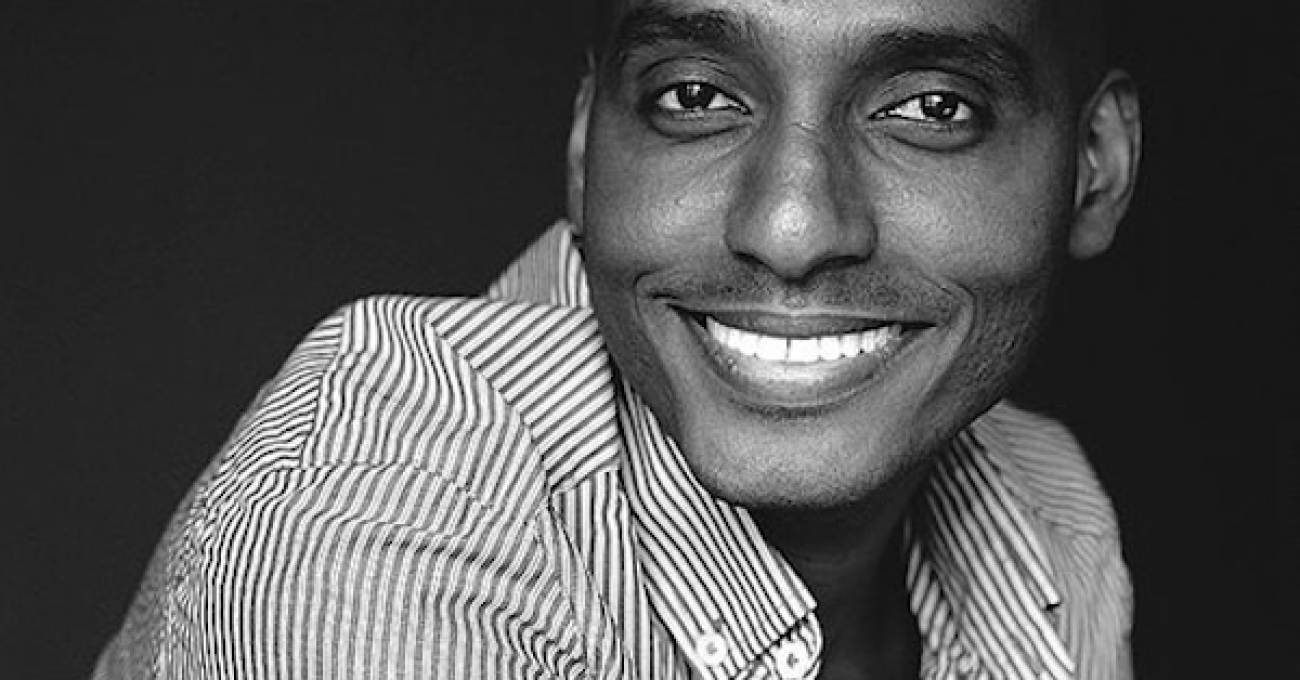
“There are many writers whose short stories I enjoy. For example, the South Sudanese writer Stella Gaitano, as well as Abdel Aziz Baraka Sakin and Mansour Suwaim. Also Mohsen Khalid—although he hasn’t written for a while.”
“My decision to write about that relationship was based in my conviction that Algerian Jews were an integral part of social, historical, and cultural elements; they spoke the same languages (Algerian, in Arabic or Amazigh dialects). They wore the same traditional clothing. They prepared the same foods. And they shared what was made. They played the same music. They sang the same songs. Only the two religions were different.”
“Often, readers tell me I should write about one subject or another, and I don’t like this sort of relationship, where readers approach the writer as though they’re a machine or a mythical creature.”