Ahmed Bouanani and Morocco’s Seventh Art
“It was the only book that Ahmed Bouanani wanted to publish, but he died believing that the manuscript had been destroyed when his house burned down.”
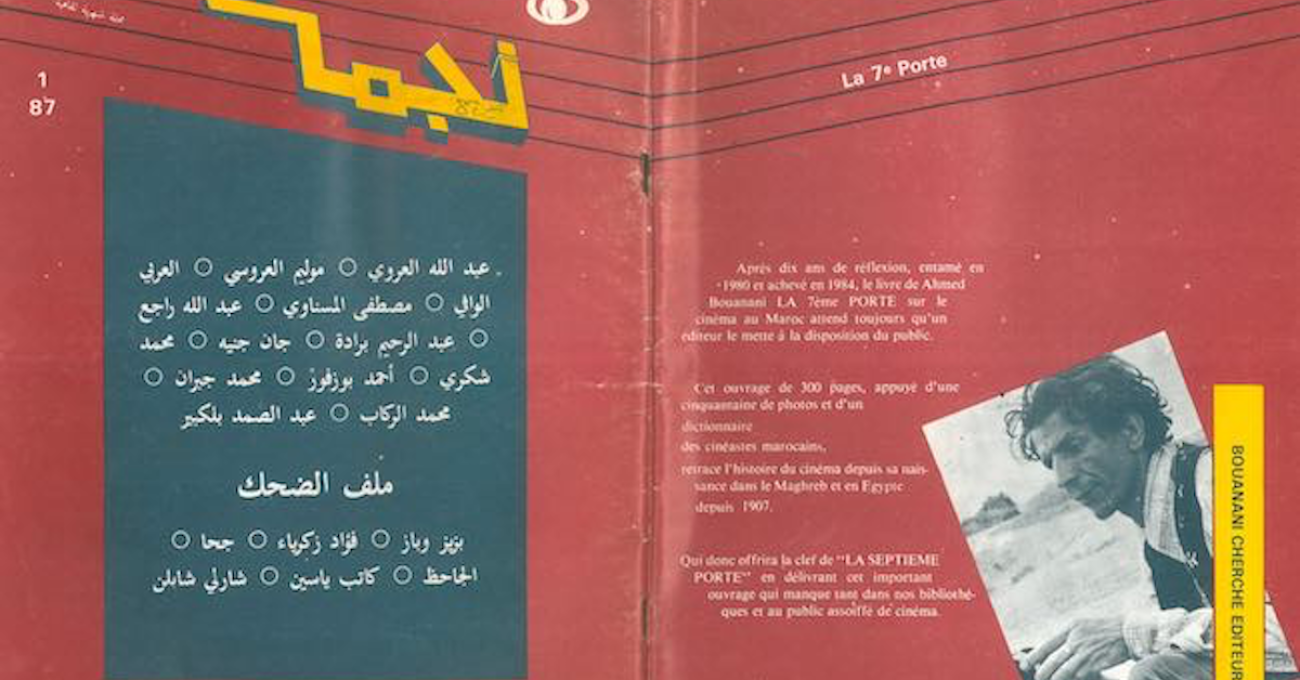
“It was the only book that Ahmed Bouanani wanted to publish, but he died believing that the manuscript had been destroyed when his house burned down.”
“It was Friday, May 9, 1975. We had just ended a hunger strike a few days earlier.”
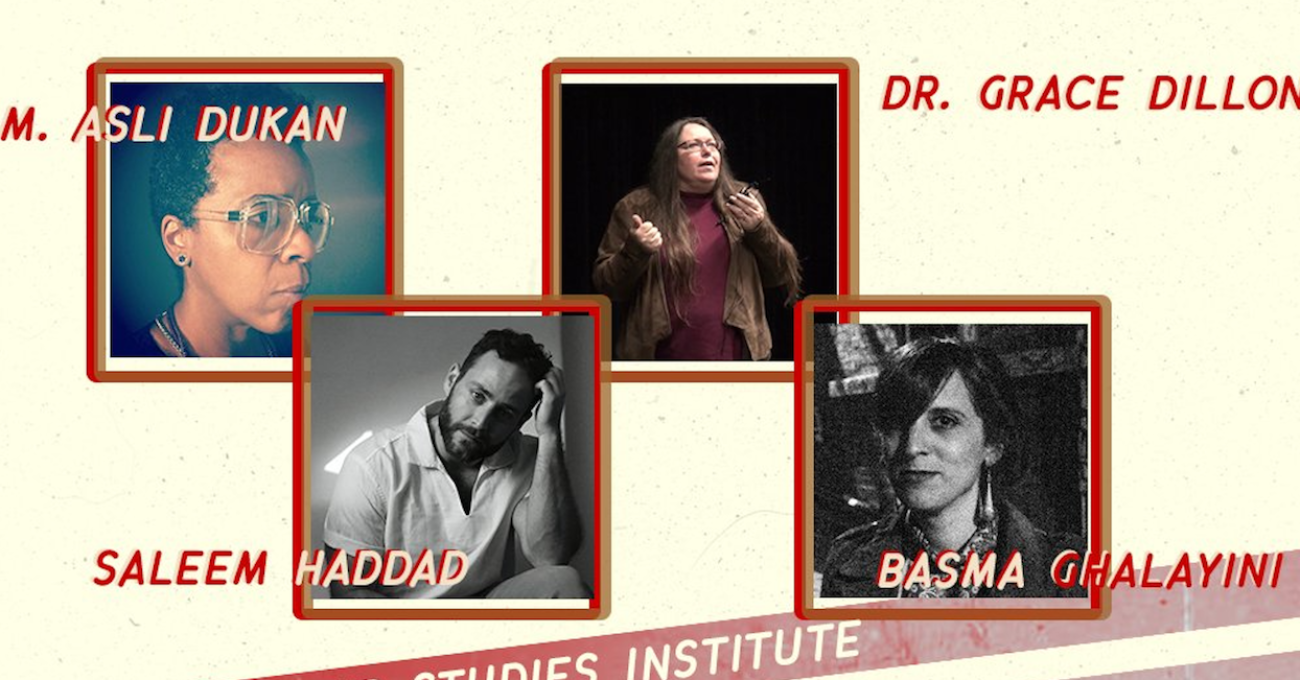
This is where M. Asli Dukan has arrived in her own work, as she moves away from the label of Afrofuturism towards a more unifying vision, what she has started to call “abolitionist futurisms.”
“Shukair stressed the important role Arab educational institutions play in keeping Palestinian literature alive.”
“The interwar years were a golden age for travel writing in Egypt and the Middle East in general; scores of new books arrived to tell Arabic readers about the increasingly connected world.”
“In nature, some plants love to bathe in sunlight, others thrive in the dark, but nothing can grow on quicksand, and that’s exactly where many of us writers are desperately trying to sow their creative seeds.”
“I thought these are crazy days. I have been in prison for a long time, and I have no idea what’s going on. Maybe they’re fabricating a case against Nagib Mahfouz or his ghost.”
This week’s Bulaq is a re-run, the episode focused on Iman Mersal’s “In the Footsteps of Enayat al-Zayyat.”
Lebanese author Charif Majdalani has won a 2020 Prix Femina “special jury prize” for his “Beyrouth 2020: Journal d’un effondrement.”