Charif Majdalani Wins Prix Femina for ‘Beirut 2020: Chronicle of a Collapse’
Lebanese author Charif Majdalani has won a 2020 Prix Femina “special jury prize” for his “Beyrouth 2020: Journal d’un effondrement.”
Lebanese author Charif Majdalani has won a 2020 Prix Femina “special jury prize” for his “Beyrouth 2020: Journal d’un effondrement.”

This letter originally appeared in the debut issue of ArabLit Quarterly: Beginnings, published in the Fall of 2018.
“When the sound processor of my cochlear implant is switched on, I feel like I hardly know this place. I fail at all attempts to conjure the old sounds of my hometown as my brain now perceives them in a different way. The pitches, the frequencies, the tones, and the ranges now have offbeat qualities that have taken over the sounds of the past.”
“It is important to note that the state marketed the novels it sponsored (including the novels of Saddam) as belonging to Arab ‘resistance literature’; a corpus of works with a long tradition of anti-imperialist struggle in the Arab world.”
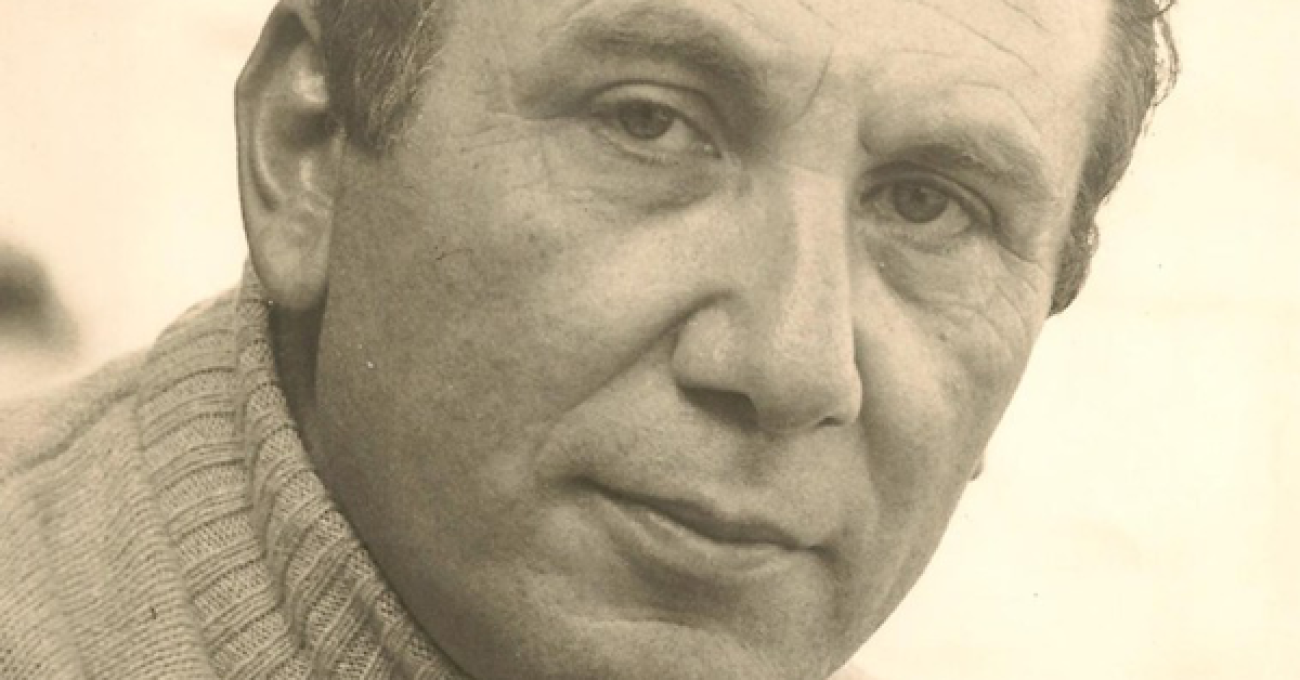
“Whoever loves his country, Mr. President, purifies its wounds with alcohol, and with fire cauterizes—if need be—the areas that are wounded.”
At the end of last month, three writers — Mona Kareem, Deepak Unnikrishnan, and Krupa Ge — talked about translation, transience, the Gulf, belonging, and more.
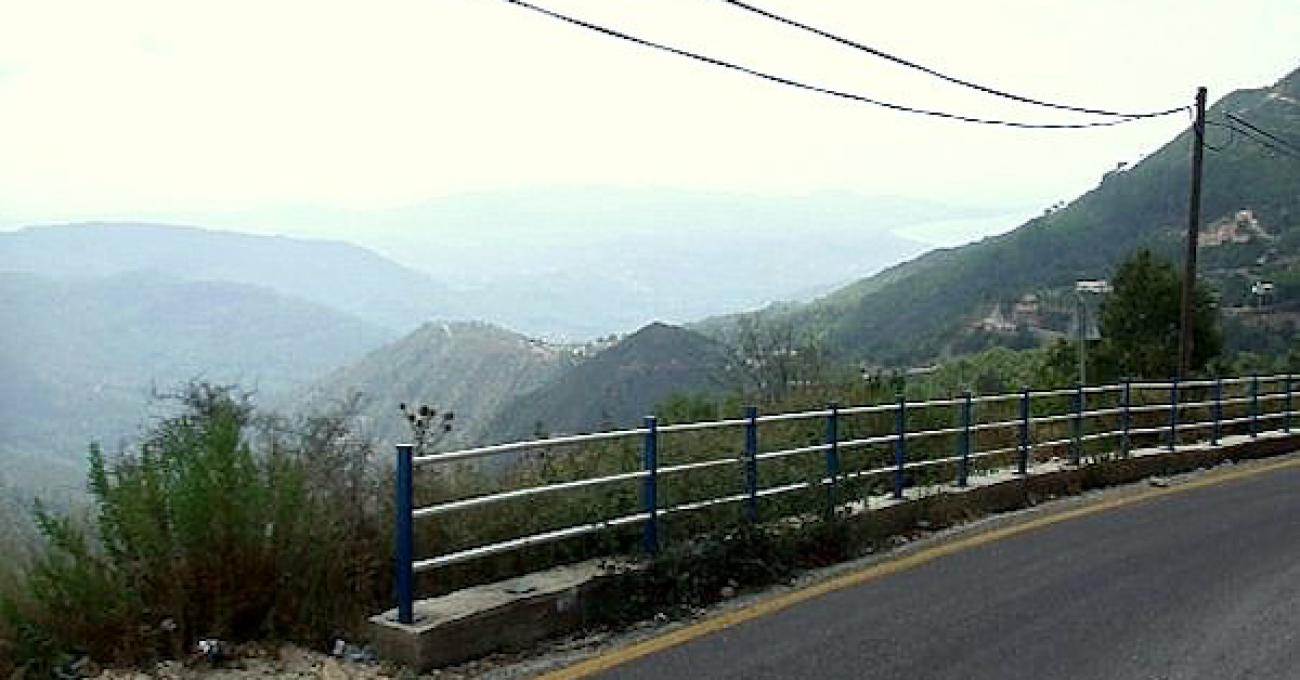
“The divide among poets has added a diaspora to the spatial diaspora, which scattered Syrians around the world.”
For that reason, Wardi’s words have been at the forefront of the current Sudanese revolution. He’s recalled as a strong example of a great artist who proved strong and steadfast in opinions, words, and actions. His revolutionary-themed pieces, which document crucial chapters of Sudanese history, have been used as rallies’ chants and played on the sit-in site loudspeakers.
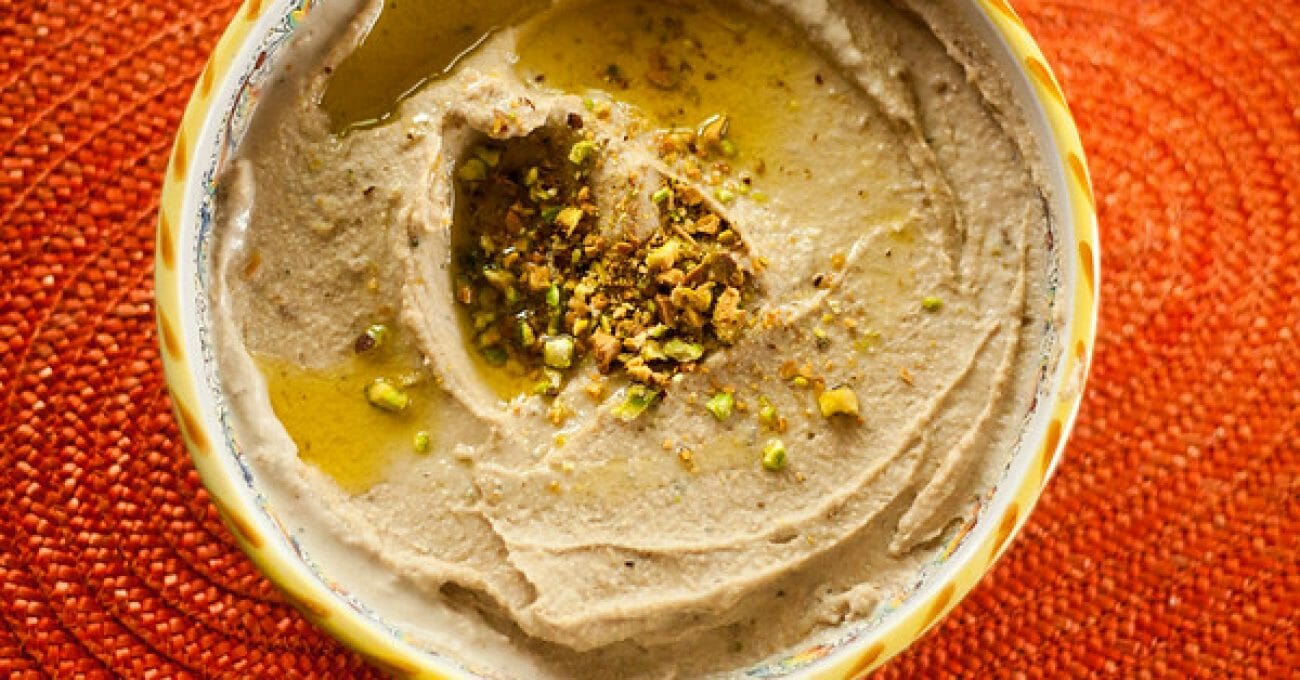
The thirteenth and fourteenth centuries were — among other things — a wonderful period for Arabic cookery compilations, several of which have recently been translated to English.