‘Dates on My Fingers’: Exploring and Challenging Traditional Masculinities
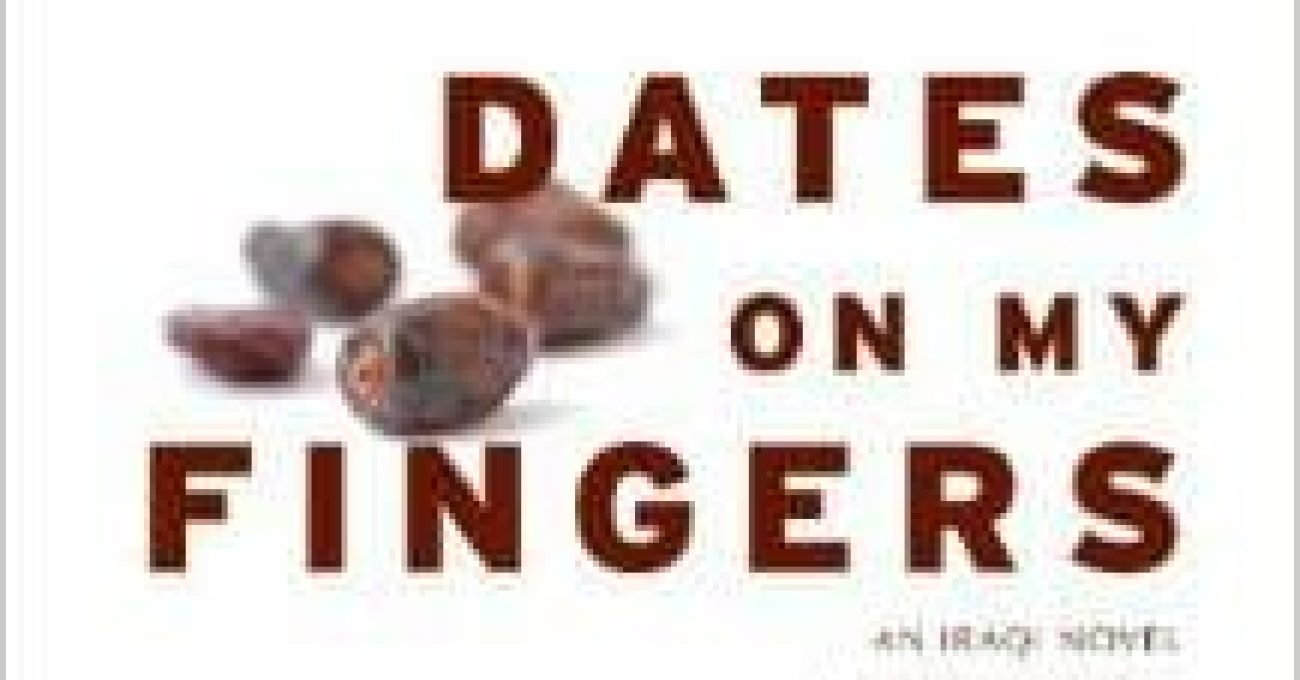
Reviewer Alexandra Atiya found a challenge to received ideas of masculinity in Iraqi novelist Muhsin al-Ramli’s “Dates on My Fingers” (2014), translated by Luke Leafgren.
We have become so accustomed to thinking of religion as a place of singularity in human identity that Diary of a Jewish Musilm gives all the shock in translation that author Kamal Ruhayyim surely intended in the original.
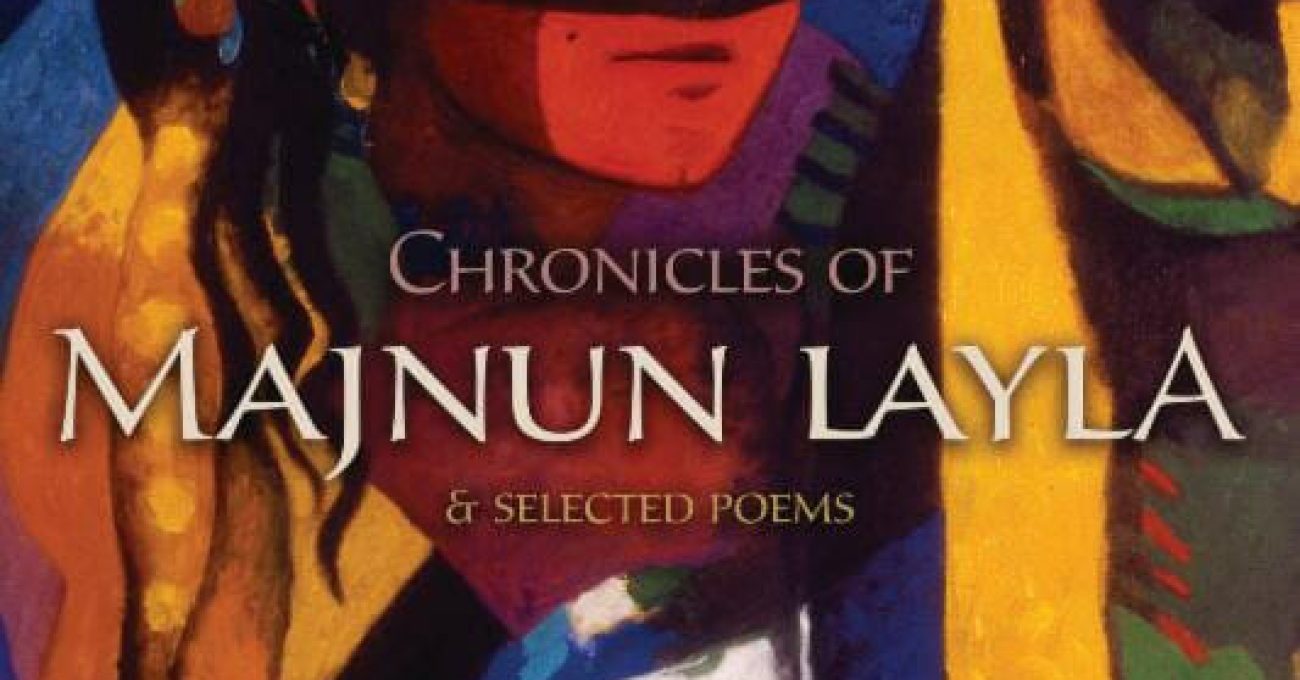
It’s easy to see why Ferial Ghazoul and John Verlenden would choose the “Chronicles of Majnun Layla” as the centerpiece of their Qassim Haddad collection, which brings together work that spans the Bahraini poet’s career.
Emerging Sudanese author Mansour El Souwaim has received a number of plaudits. He was named one of the “Beirut39” in 2009, one of the top 39 Arab authors under 40, won the Tayeb Salih award for his second novel, and was selected to participate in the 2009 International Prize for Arabic Fiction nadwa. Souwaim has a new novel out, The Last Sultan, which Nassir Elsayed Elnour says “calls on us to rethink history.”
Today would have been Saudi-Iraqi novelist Abdelrahman Munif’s 81st birthday. Although a great craftsman of the 20th century Arabic novel, his literary legacy goes largely un-celebrated.
It’s been a long time since I’ve felt myself burrow as deeply inside a character as I did inside Myriam, the narrator of Iman Humaydan’s “Other Lives,” translated into English by Michelle Hartman and recently released by Interlink.
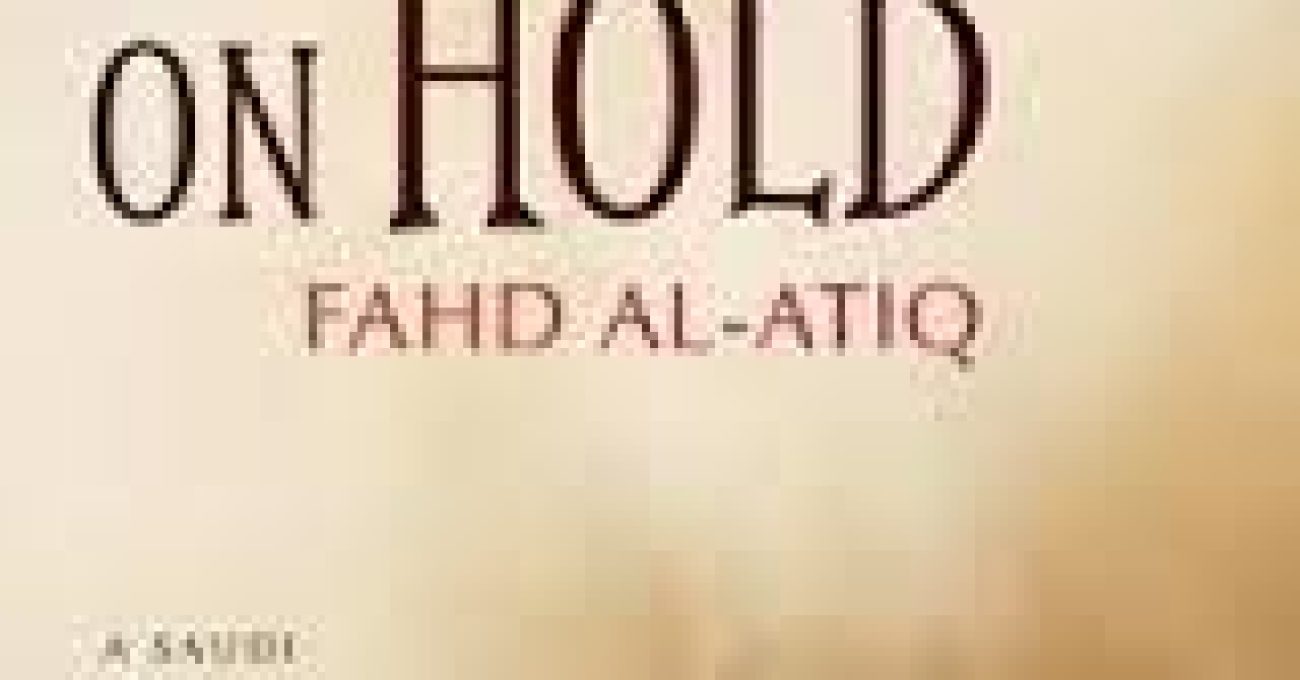
A novel where the “days are all much the same, bringing nothing new” is a difficult thing to pull off. And Fahd al-Atiq’s “Life on Hold,” trans. Jonathan Wright, couldn’t be characterized as a page-turner. But the book does manage to craft a compelling narrative about the contradictions of contemporary Riyadh even as the protagonist remains stranded in nowhere-land
Al-Mustafa Najjar reviews Ahmad Saadawi’s Frankenstein in Baghdad, longlisted for this year’s International Prize for Arabic Fiction (IPAF). Najjar calles it “a novel that suspends moral judgement.”
Tunisian poet Inas Abassi reviews Amir Tag Elsir’s 366, longlisted for this year’s International Prize for Arabic Fiction.