Ramadan Kareem, ya Gaza
“Gaza does not resemble herself in Ramadan.”

“Gaza does not resemble herself in Ramadan.”
“Under siege, time is stolen piece by piece, and language shrinks to match the narrow space it is allowed. People abandon long sentences because every additional word must justify the power it consumes, the battery it drains, the risk it takes in that particular minute.”

“Press your body to the sea— / it comes out cool, unharmed— / and let tears move across your hidden grief.”
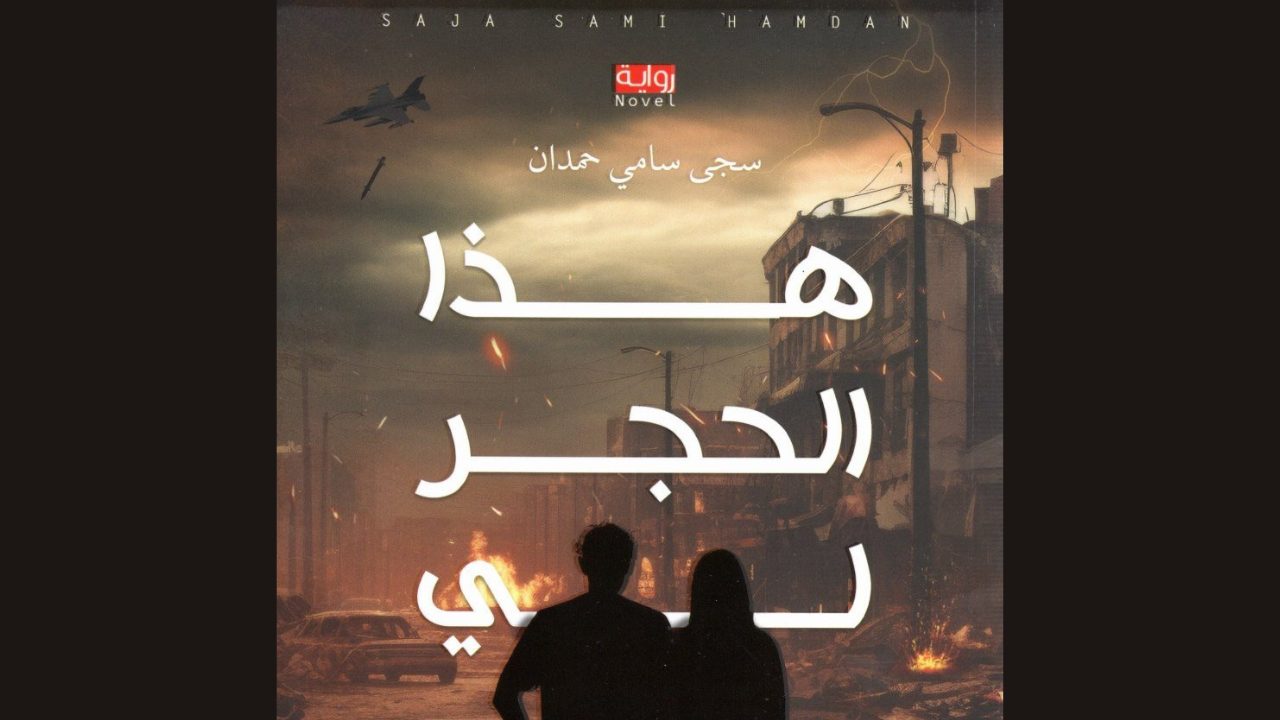
This excerpt comes from pages 34–37 of Saga Hamdan’s 2024 debut novel This Stone is Mine (هذا الحجر لي), a story of love and loss between Gaza and Jenin.

In this novel, Egyptian author Doaa Ibrahim interrogates mothers and motherhood through the lens of a violently fraught relationship.
“These are the worst days. I don’t know why I’ve been using superlatives so much lately, or saying “for the first time,” as though my mind were instantly classifying every experience against prior facts or illusions. Perhaps it would be enough to say they’re terrible days, without comparing them to other dark ones.”

“And though the world may have looked away, let this much be remembered: we named the hunger. We bore it. We endured. Let that remain.” – Alaa Alqaisi
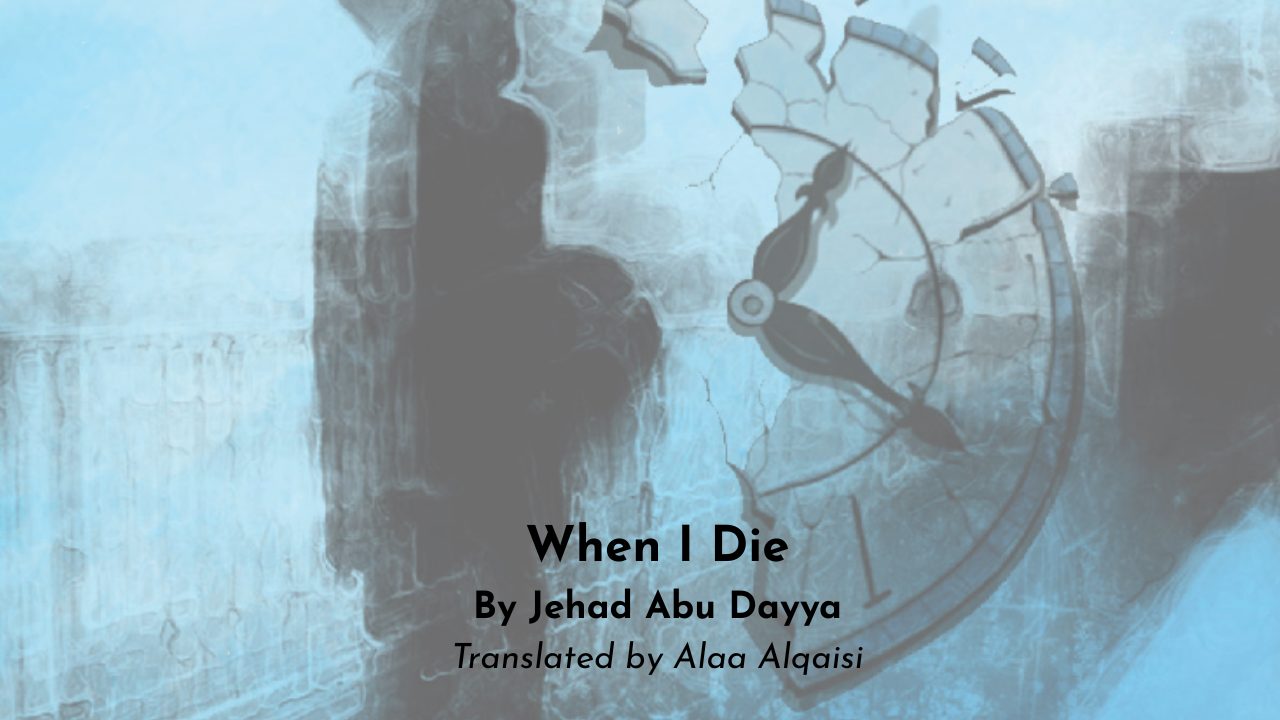
Jehad Abu Dayya, a poet and doctor in Gaza, has just released his first poetry collection, مذبوح في هامش الوقت. The poem “When I Die” appears here in Alaa Alqaisi’s translation.
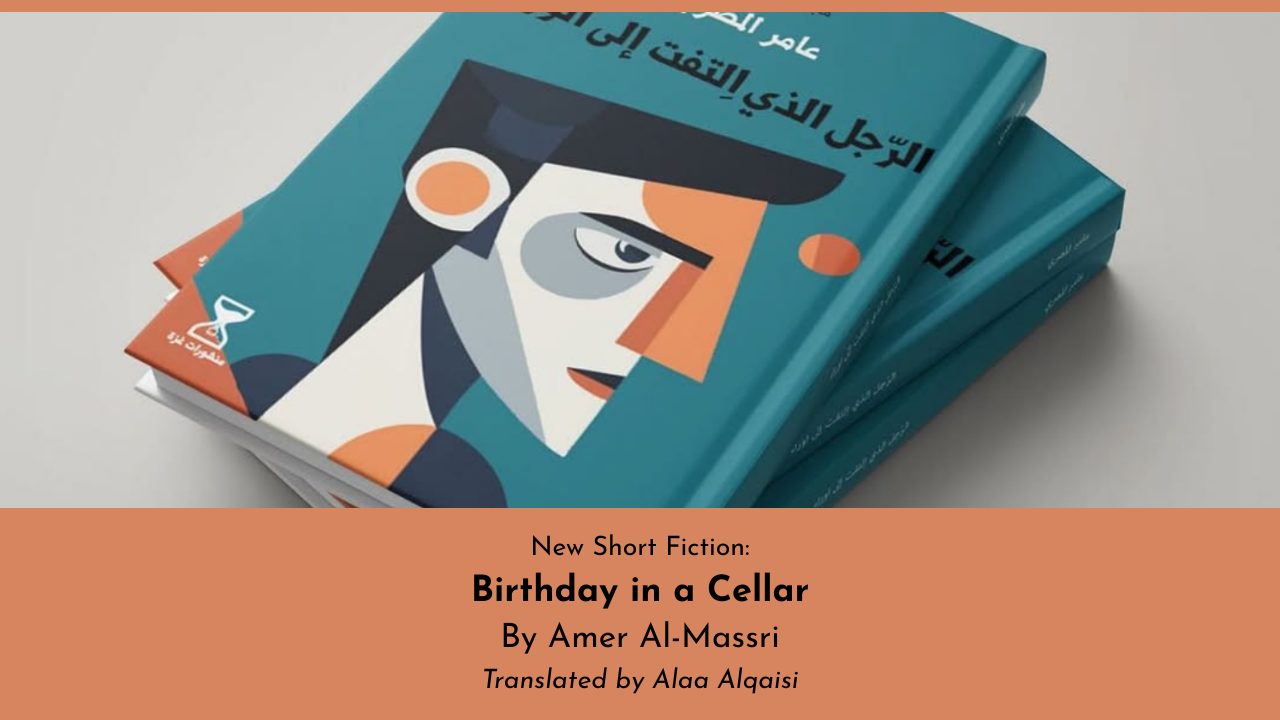
“Birthday in a Cellar” appears in Amer Al-Masry’s third short-story collection, The Man Who Turned Back (الرجل الذي التفت إلى الوراء), the first book out from the new Gaza Publications.