Mahmoud Darwish: ‘The End of Things’
There are events around the world this September 25-27 celebrating the poetry of Mahmoud Darwish, after the Arab World Institute and Centre Pompidou declared September 25 to be “Mahmoud Darwish Poetry Day.”
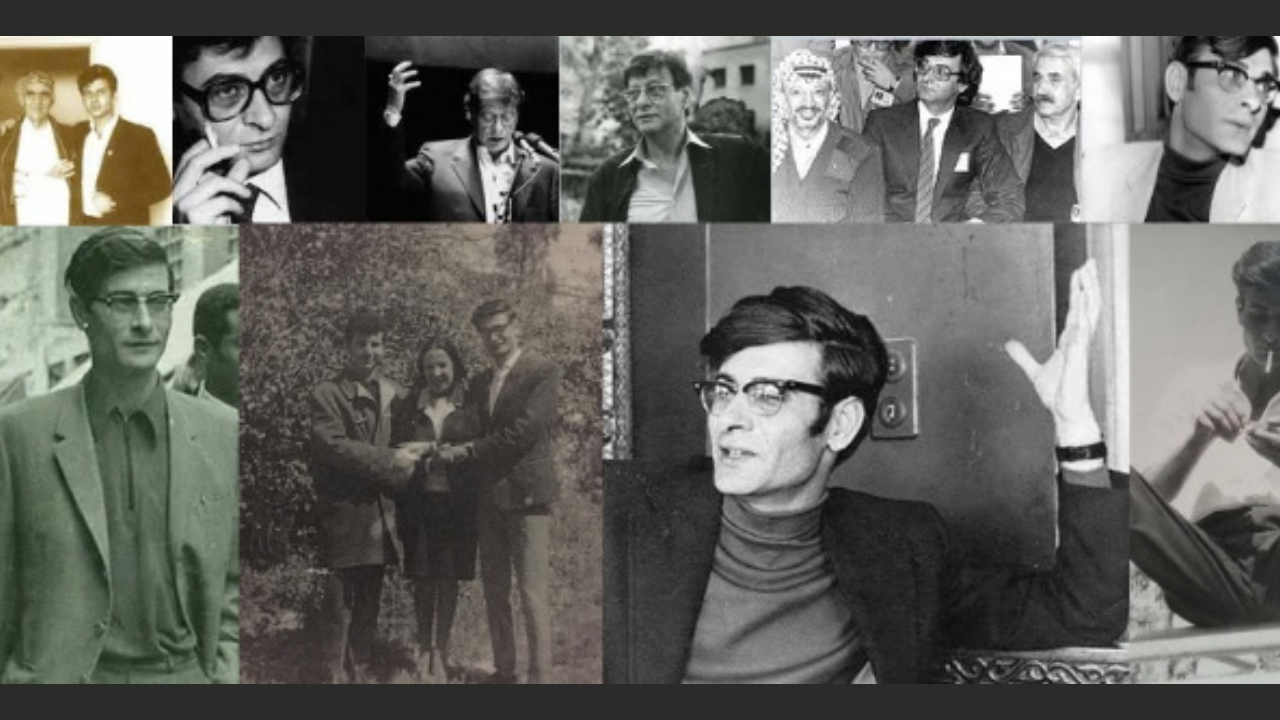
There are events around the world this September 25-27 celebrating the poetry of Mahmoud Darwish, after the Arab World Institute and Centre Pompidou declared September 25 to be “Mahmoud Darwish Poetry Day.”

Today is the Dublin launch of ArabLit contributor Alaa Alqaisi’s The Thin Border: Living in Extra Time. It is available through Skein Press.

Part of our focus, this Women in Translation Month (#WiTMonth), is on classic Arabic works by women, especially those at the margins of (or neglected entirely by) critical and readerly attention.

“We passed a vast area near my house in Mazzeh, its surface covered with unfinished cement buildings. The driver told me it was a residential and commercial development owned by Asma al-Assad. The next day, one torture survivor told me the purpose of the project was to hide corpses[.]”

“Gaza does not resemble herself in Ramadan.”
“Under siege, time is stolen piece by piece, and language shrinks to match the narrow space it is allowed. People abandon long sentences because every additional word must justify the power it consumes, the battery it drains, the risk it takes in that particular minute.”

“Press your body to the sea— / it comes out cool, unharmed— / and let tears move across your hidden grief.”
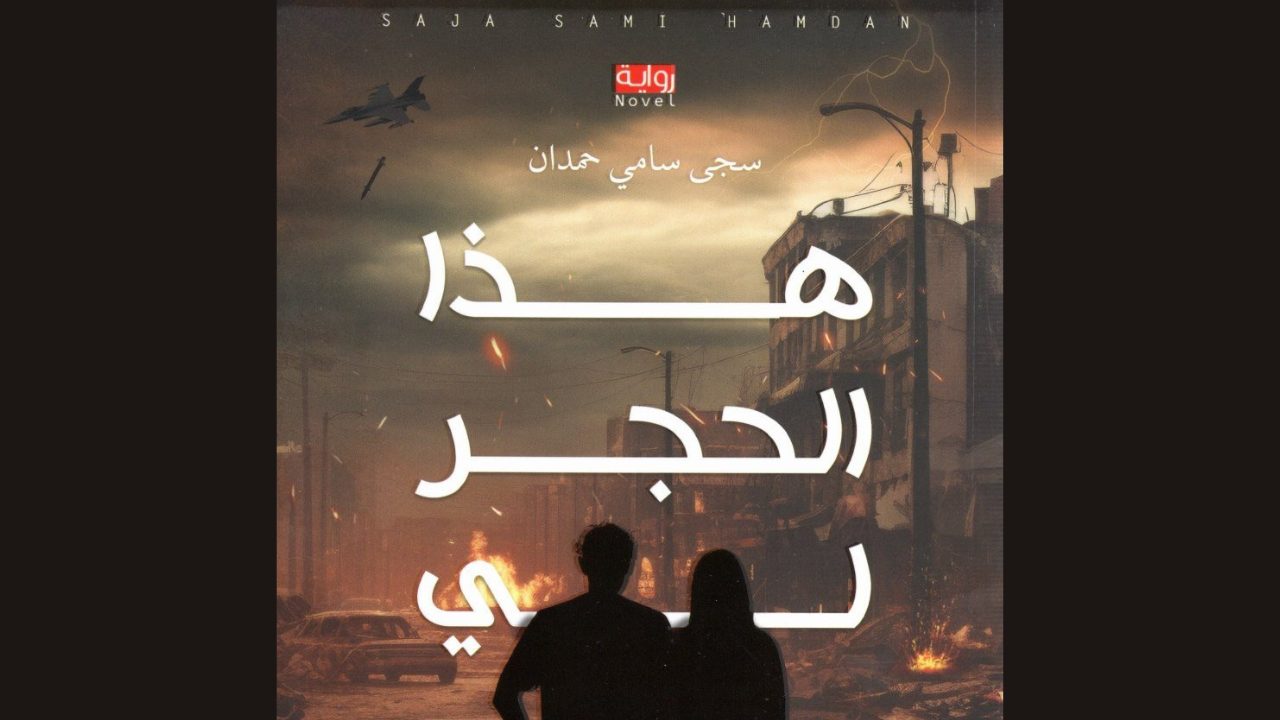
This excerpt comes from pages 34–37 of Saga Hamdan’s 2024 debut novel This Stone is Mine (هذا الحجر لي), a story of love and loss between Gaza and Jenin.

In this novel, Egyptian author Doaa Ibrahim interrogates mothers and motherhood through the lens of a violently fraught relationship.