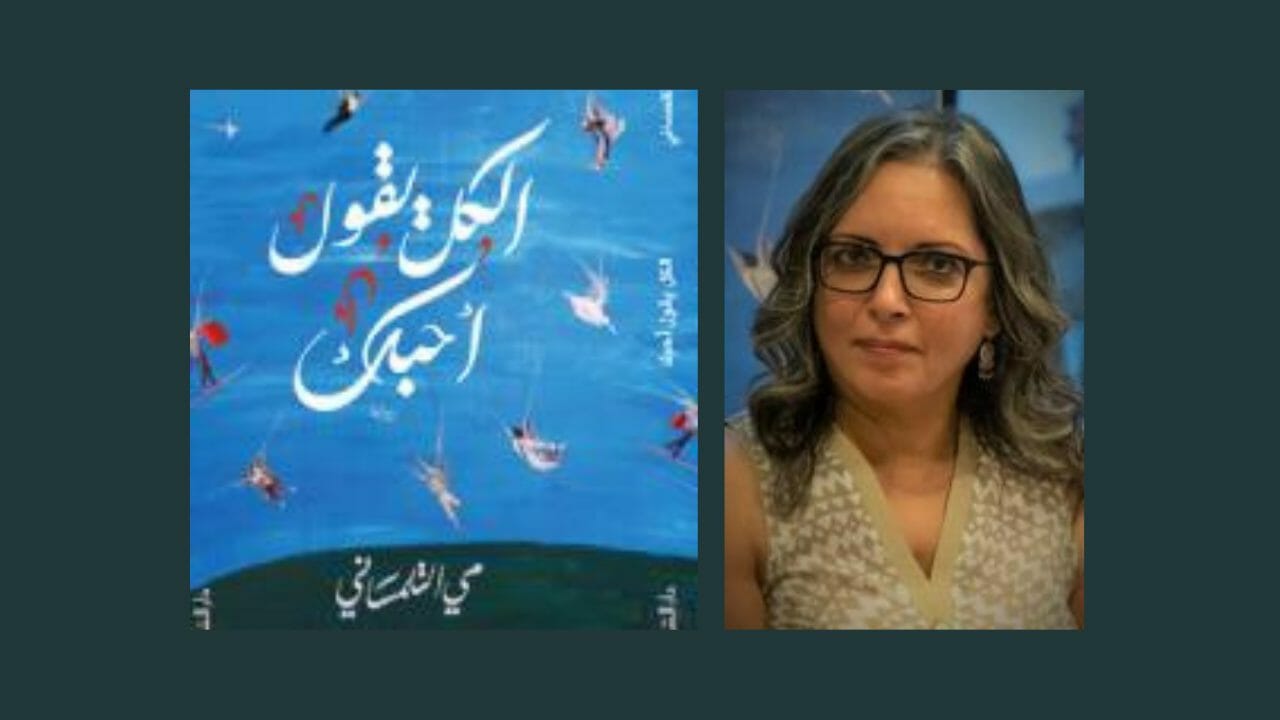
From May Telmissany’s ‘Everyone Says I Love You’
The 2021 novel Everyone Says I Love You, by acclaimed Egyptian novelist May Telmissany, was longlisted for the 2023 International Prize for Arabic Fiction. For Women in Translation Month, ArabLit […]
The Exile of the Water Diviner, by Omani author Zahran al-Qassimy, is on the shortlist for this year’s International Prize for Arabic Fiction, the winner of which is set to be announced May 21 in Abu Dhabi. This novel tells the story of a water diviner employed by the villages to track springs of water hidden deep in the earth.
” This is a godless world, even though Allah is mentioned all the time. The only possible heroism in the novel is that of survival in face of misery.”
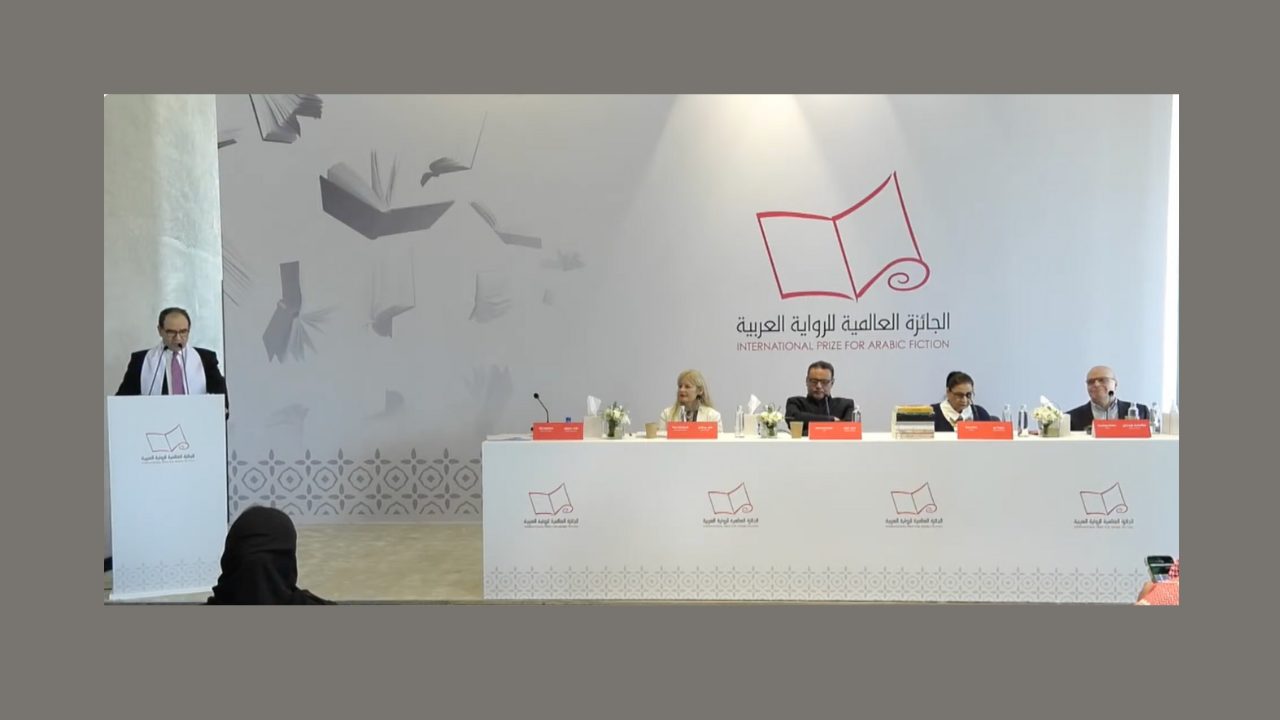
At a virtual press conference, chair of the 2023 International Prize for Arabic Fiction judging panel Mohammed Achaari announced this year’s six-book shortlist, which Achaari praised for its diversity of styles and quality of the writing, noting that the judges had reached their decision — narrowing the 16-book longlist to six — by cooperation and consensus.
Belal Fadl’s Um Mimi, on the longlist for the 2022 International Prize for Arabic Fiction, unfolds in Fadl’s characteristic ironic style, following a young man who is desperate to escape the orbit of his family and enter into the world of film.
This year’s International Prize for Arabic Fiction went to debut novelist Mohamed Alnaas for his examination of masculinity, Bread on Uncle Milad’s Table.
“But I didn’t decide to avoid setting The White Line of Night in Kuwait so that I could write freely and refer to anyone or anything without getting into trouble. Censorship is not exclusive to Kuwait; it is a global issue and it still exists in reality and practice even in the countries that theoretically nullified it.”
“The censor would often read a sentence and claim that he had read it elsewhere.”
“From the seven children my father slaughtered in the cellar of our house, I was the sole survivor. Our mother, who could have stood between us and death, died of hunger and sorrow a day before the tragedy.”