
Poems and Ancestors: Huda Fakhreddine Translates Jawdat Fakhreddine
“I told my wife, now that we have reached sixty together — / with myself a bit ahead of her,/ we will be living from now on/ the most wonderful decade of our lives . . .”
“I told my wife, now that we have reached sixty together — / with myself a bit ahead of her,/ we will be living from now on/ the most wonderful decade of our lives . . .”
The first of the papers, Egypt’s Podcasts and Booktubes: A Literary Criticism of the Future? is up at Maydan, with suggestions for your literary podcast and booktube pleasure.
Also: Attendees can choose to work in one language or to split their time between two languages by attending morning workshops in one language and afternoon workshops in the other.
“So Qays—thanks to his madness—became free not only from the power of the sultan and the tribe, but also—and especially—from the boundaries imposed on him by the transmitters of his story. We still find him stepping out and escaping, over and over.”
The talk, titled “Her Own Devices: Language and Craft in the Thousand and One Nights,” is introduced by Marina Warner.
Each of the 24 Literature Translation fellows are set to receive $12,500 each, for a total of $300,000. The fellowships will support the English translation of works from 19 countries; most are to translate works of award-winning and bestselling authors.
At a majliss in Saudi Arabia, for example, some Saudis complained that an unwillingness to embrace the art form in the past meant that a “Saudi art form” had effectively been monopolized by the United Arab Emirates.
The book is scheduled for English publication in Fall 2021.
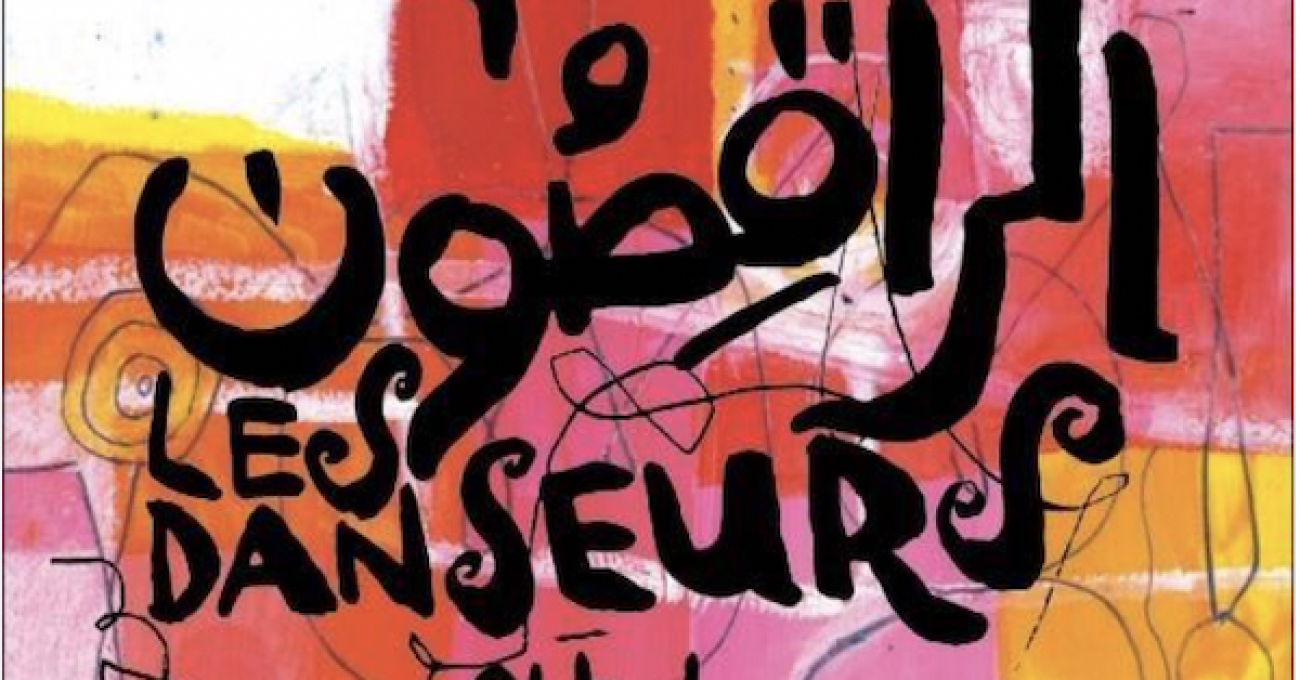
“Speaking of translation, I once went alone to a workshop in Montreuil without a translator, and so I used Google Translate to pull sentences together and I sketched with the kids and it went quite well for about two hours.”