

Friday Finds: ‘So Why Did I Defend Paul Bowles?’
In the New York Review of Books, Hisham Aidi writes about Paul Bowles, Tangier, repression, Orientalist distortion, and the persistence of myth.
In the New York Review of Books, Hisham Aidi writes about Paul Bowles, Tangier, repression, Orientalist distortion, and the persistence of myth.
They seem to identify with the enlightening and inspirational poems to such a degree that these poems keep resonating down generations, stirring up the bittersweet, bringing them to their feet and to tears.
“Orabi Hassan, the first of his new neighbours that Hasballah got to know in Maskoubiya, was a short-statured young man with black hair, honey-coloured eyes and light-brown skin.”
According to Mada Masr, the Supreme Military Appeals Court had “postponed a ruling on the case 11 times before issuing its final verdict on Tuesday.”
The novel was inspired, in part, by a 2018 workshop organized by me and Cherifa Kheddar, Director of the NGO Djazairouna, where we brought together survivors of the Algerian Civil war with writers, artists, psychologists, filmmakers and journalists. The objective was to translate first-hand testimonies into different media, including literature.
Today, we are e-launching the eye-themed Fall/Winter 2019 issue of ArabLit Quarterly as both PDF and EPUB.
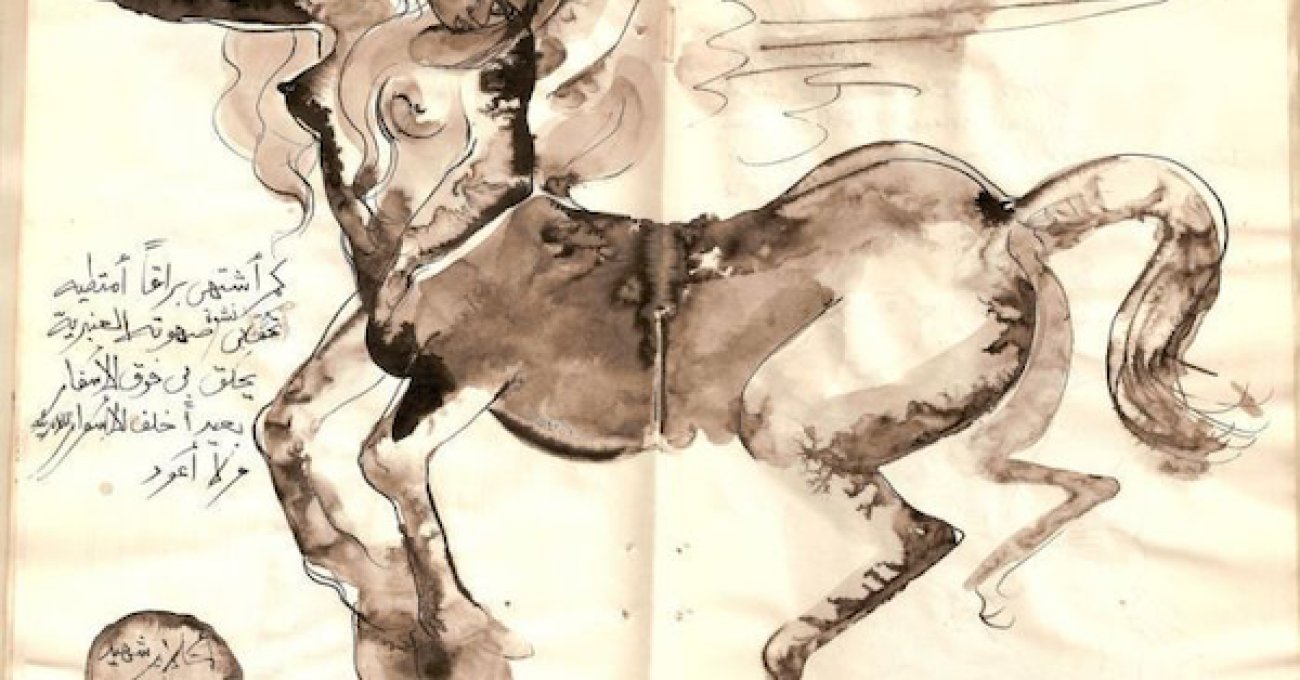
These 10 vivid short stories, from Sudanese and South Sudanese writers, are in honor of the Northern Hemisphere’s shortest day.
“We welcome prose submissions of up to 8,000 words, poem packets of up to five poems, and ask that excerpts from longer works be self-contained.”
This marks the largest number of books PEN Translates has selected in a single year.