Beneath the Howl of Hunger
“And though the world may have looked away, let this much be remembered: we named the hunger. We bore it. We endured. Let that remain.” – Alaa Alqaisi

“And though the world may have looked away, let this much be remembered: we named the hunger. We bore it. We endured. Let that remain.” – Alaa Alqaisi

These five poems are by Hend Jouda, a poet from Gaza whose grandparents were displaced from the village of Ashdod in 1948. Born in the Bureij refugee camp in 1983, Jouda has published three collections: Someone Always Leaves (2013), No Sugar in the City (2017), and A Finger That Managed to Survive (2024).

“The hunger I’m experiencing now is not what I imagined. It’s not what you imagine, dear reader. It’s not just an empty feeling in your stomach. It’s a numbness that spreads from the gut to the brain. It blurs memories, weakens vision, and turns every thought into a deep excavation that the mind can’t bear. Hunger steals the simplest human abilities: concentration, patience, sensation, the desire to say something. Thinking becomes a luxury. Words become weights that cannot be lifted.”
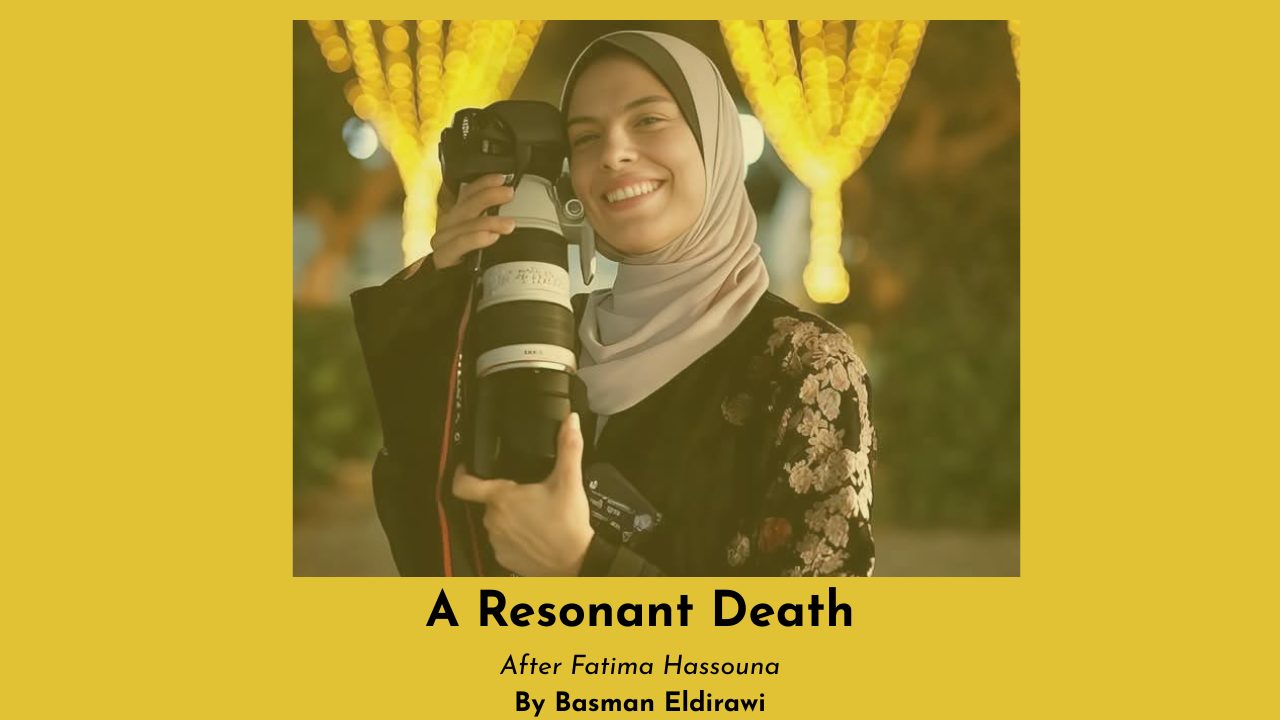
“This massacre shrinks homes into tents— / You sing with the displaced birds at its door.”

The Spring 2025 GRIEF issue of ArabLit Quarterly is coming in three days — on April 30, 2025. Today, a poem from the issue in Wiam El-Tamami’s translation.
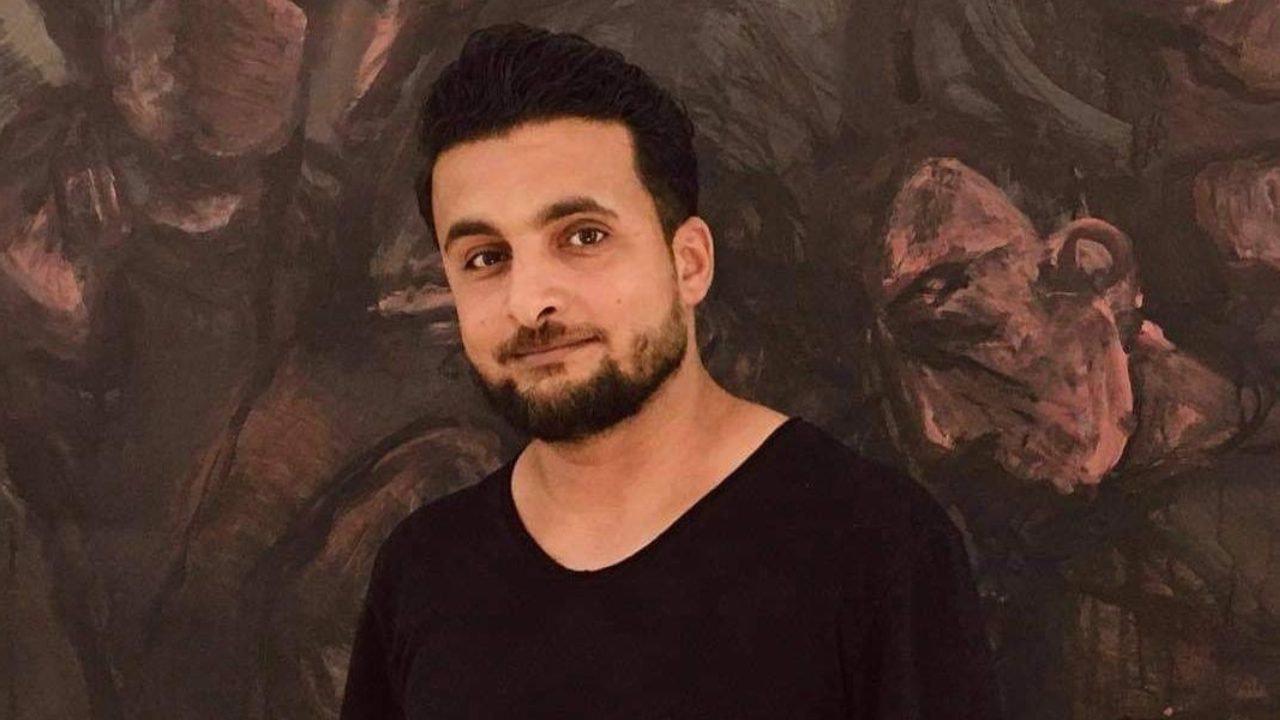
In this essay by Husam Maarouf, he writes: “Isn’t it strange for someone to laugh in Gaza? Here, laughter is not because destruction is amusing or enjoyable—it is a moment of nakedness before the self, a full exposure. One has no choice but to laugh.”

It’s publication day for Poppy Seeds: Poetry from Gazan Youth, a new collection out from young people’s publication Naya Magazine. Here, we talk with co-editor Akshay Maheshwari about the idea behind […]

Earlier this week, The Lakes International Comic Art Festival published Gaza-based artist Safaa Odeh’s Safaa and the Tent, a collection of drawings and social-media posts translated by Nada Hodali. Nada talked about the book, its humor and grief, and the difficulties of translating a work that leaves you speechless.

However, for me, the most precious of all the manuscripts in my library were the six stories I wrote in Israeli jail. These were the first stories I ever wrote, penned during a few months of incarceration following my participation in the First Intifada in 1992. I wasn’t quite 19 when I wrote those stories. I “published” them by hanging them on the wall of the prison.