Review: Alessandro Spina’s ‘Confines of the Shadow’
This review was meant to be published two years ago, but the magazine that requested it went dark. So here, to accompany our piece on the crowdfunding campaign for the […]
This review was meant to be published two years ago, but the magazine that requested it went dark. So here, to accompany our piece on the crowdfunding campaign for the […]
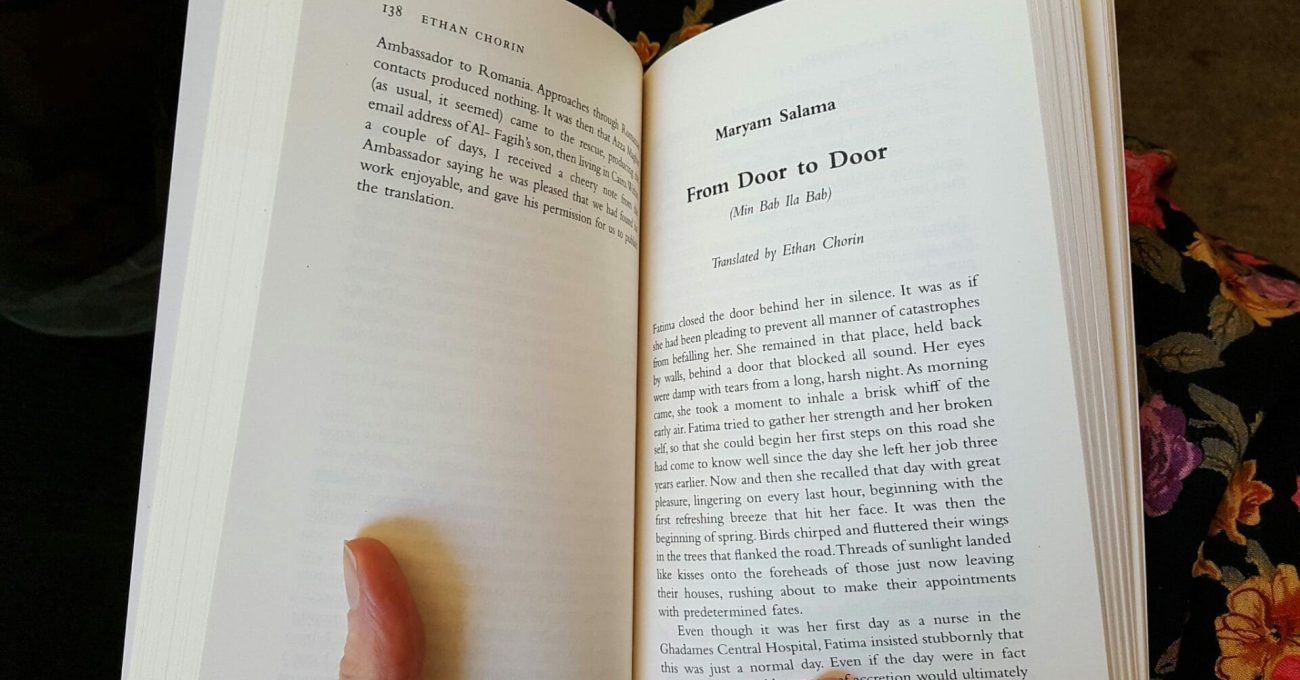
“Libyan poet Fatima Mahmoud wrote such powerful things in the 70’s, at the height of Gaddafi’s suppression of the people. Everything she wrote still rings true today.”

“Why scrape off my scabbed wound now, Haj Ali? Why prolong tales after the season of their telling has passed?”
“If there is a villain in this book, it is not Muammar Ghaddafi, who we never see. It is his bald son Seif[.]”
“Settling is the death of nomads: the scarecrow, then, is the fate of settling down.”
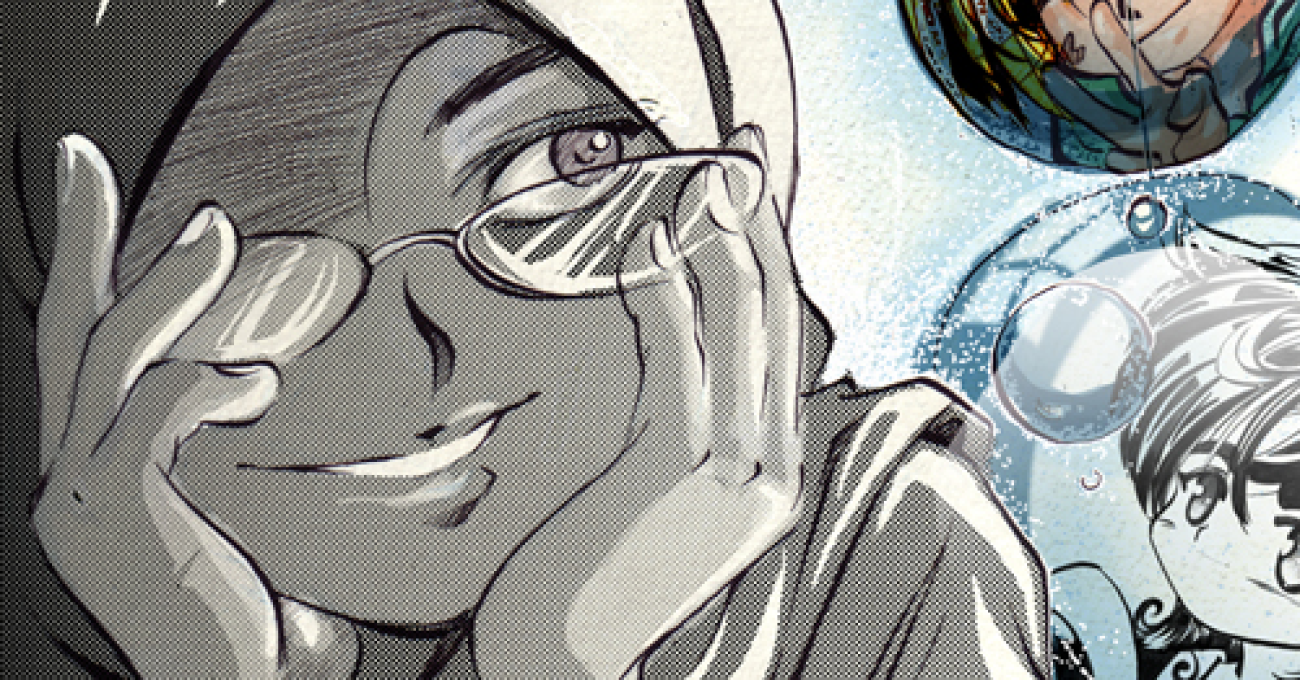
Translator Valentina Viene profiles “Muslim Libyan Arab British graphic novelist” Asia Alfasi, who has moved from writing about her identity to, more broadly, life in Libya and Scotland.

“I decided to translate him after reading the first few pages of ‘The Confines of the Shadow,’ so almost immediately.”

Wednesday morning, the MacArthur Foundation announced its list of “Genius Grants.” On the list to receive a no-strings-attached stipend of $625,000 is Libyan poet and translator Khaled Mattawa, who said he plans to use the money to further his translations and take on larger projects.
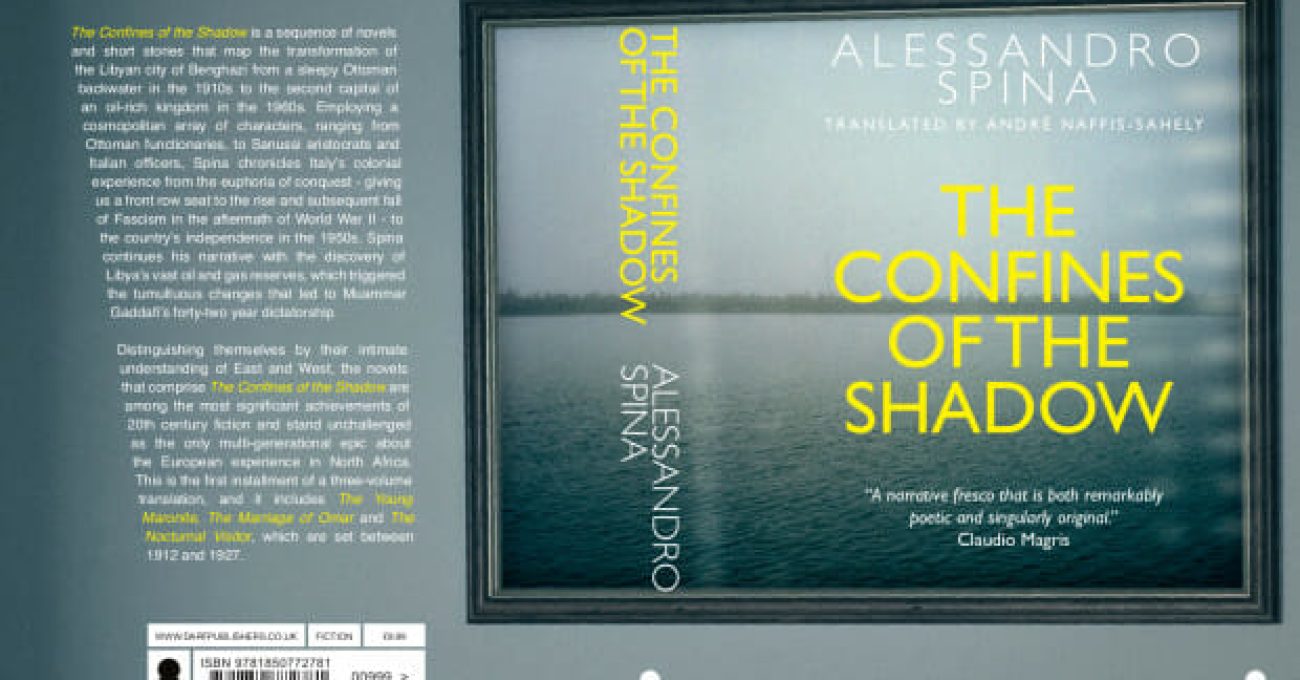
Alessandro Spina — the nom de plume of Benghazi-born author Basili Shafik Khouzam — died last year, two weeks before André Naffis-Sahely came to an agreement with a London publisher to translate his epic “The Confines of the Shadow,” which, Naffis-Sahely writes, “belongs alongside panoptic masterpieces like ‘Buddenbrooks,’ ‘The Man Without Qualities’ and ‘The Cairo Trilogy.'”