Publishing from the Fault Line
Publisher and managing director of Saqi Books, Lynn Gaspard, on what it means to publish as your world faces destruction.
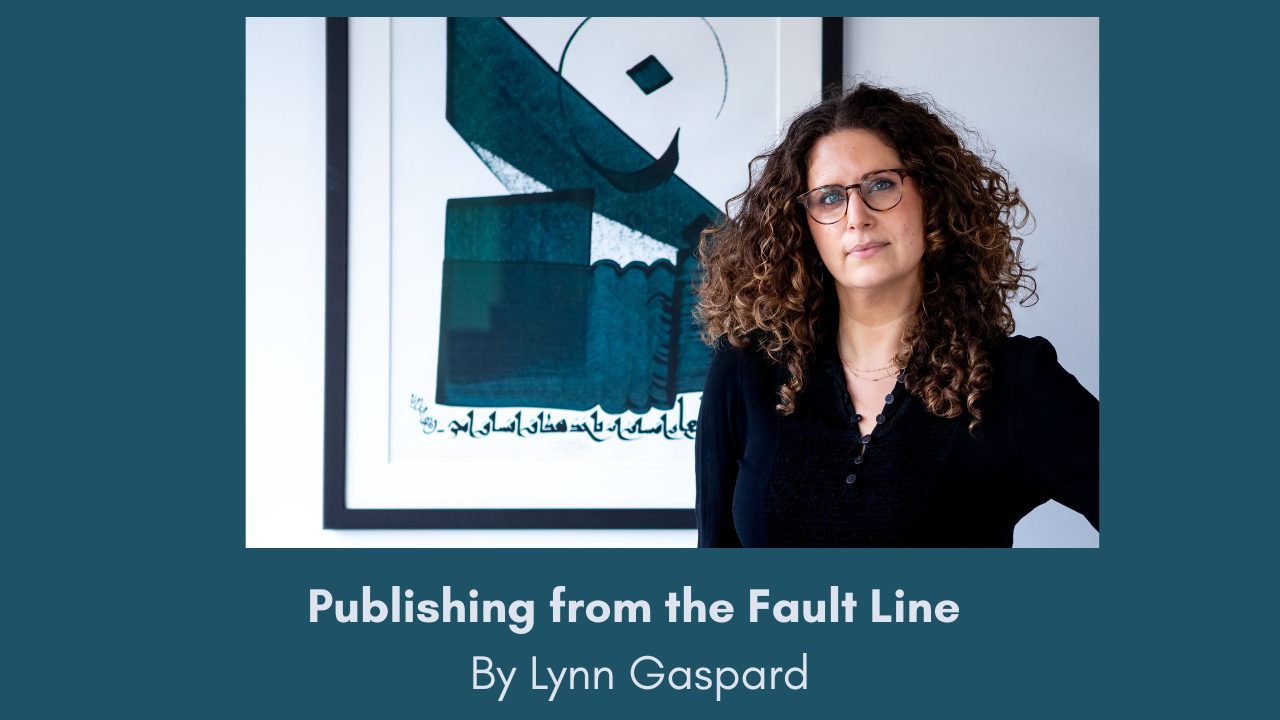
Publisher and managing director of Saqi Books, Lynn Gaspard, on what it means to publish as your world faces destruction.
This essay, by the extraordinary Syrian writer Samar Yazbek, appears in our latest issue, SYRIA: Fall of Eternity, ed. Ghada Alatrash and Fadi Azzam.

“Gaza does not resemble herself in Ramadan.”

Adabiyat is a virtual book club for readers of Arabic literature to come together monthly and debate, interpret, and appreciate written works of the Arab world and its diaspora. Houcine Chraïbi is a member of this club and writes of how his enlightening experiences during meetings and the welcoming energy of the Adabiyat community has rekindled his relationship with reading and enriched his life.
A letter from ArabLit editor Ibtihal Rida Mahmood to May Ziadeh (1886-1941).

In his 2015 autobiography, A Time of Wind, Anxiety, and Freedom (أزمنة الريح والقلق والحرية ), Sudanese scholar Dr. Hayder Ibrahim Ali offers a rare and insightful account of Sudan’s intellectual and political life.
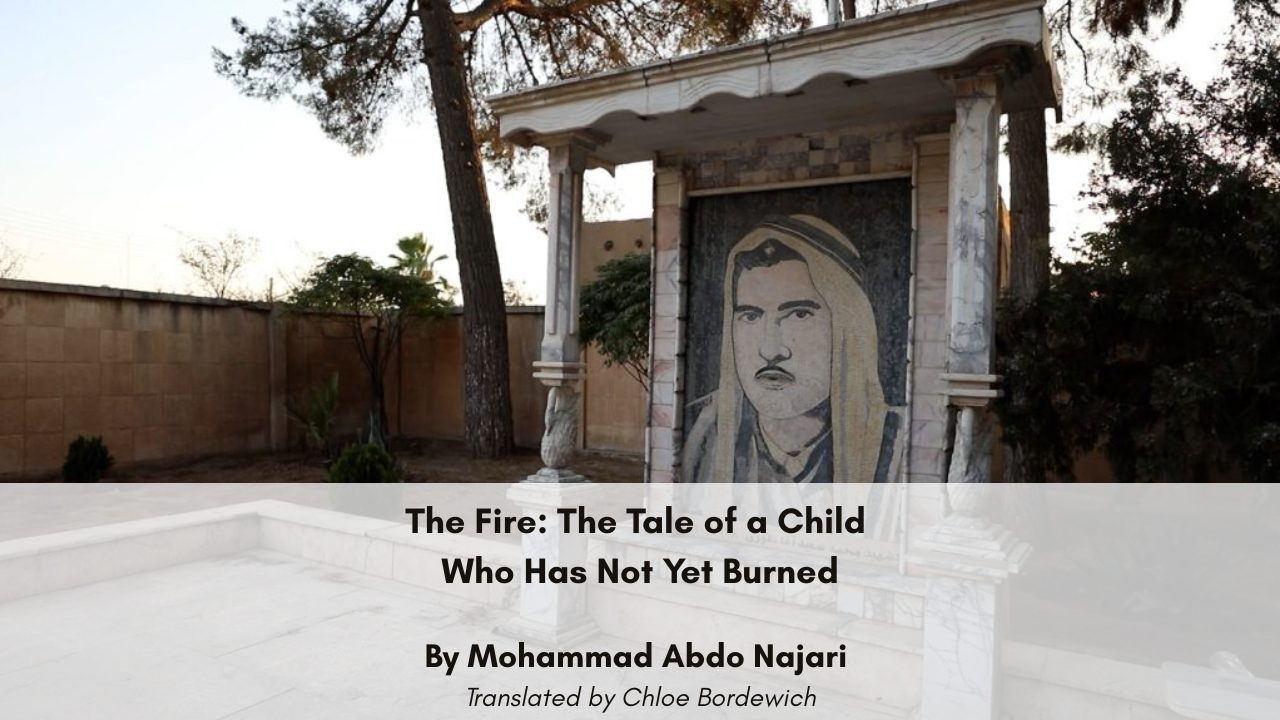
This excerpt comes from the first chapter of the extraordinary literary memoir The Fire: The Tale of a Child Who Has Not Yet Burned, by Mohammad Abdo Najari, published in Damascus by Dar al-Hassad in 1996.
Gaza-based Palestinian writer Husam Maarouf responds to Batool Abu Akleen’s ’48 kg.’

When can loss that never ends be said to have happened? When will absence finally finish arriving? Who is the self if left partial, displaced from identity to be found neither here nor there? And if loss defines us, when may we be ourselves?