
‘The Thing’: For Jed Henchiri
In an extension of our GRIEF issue, Zied Abdelkader writes for Jed Henchiri, a physician, political activist, and one of the founders of the Tunisian Foundation for Young Physicians.

In an extension of our GRIEF issue, Zied Abdelkader writes for Jed Henchiri, a physician, political activist, and one of the founders of the Tunisian Foundation for Young Physicians.
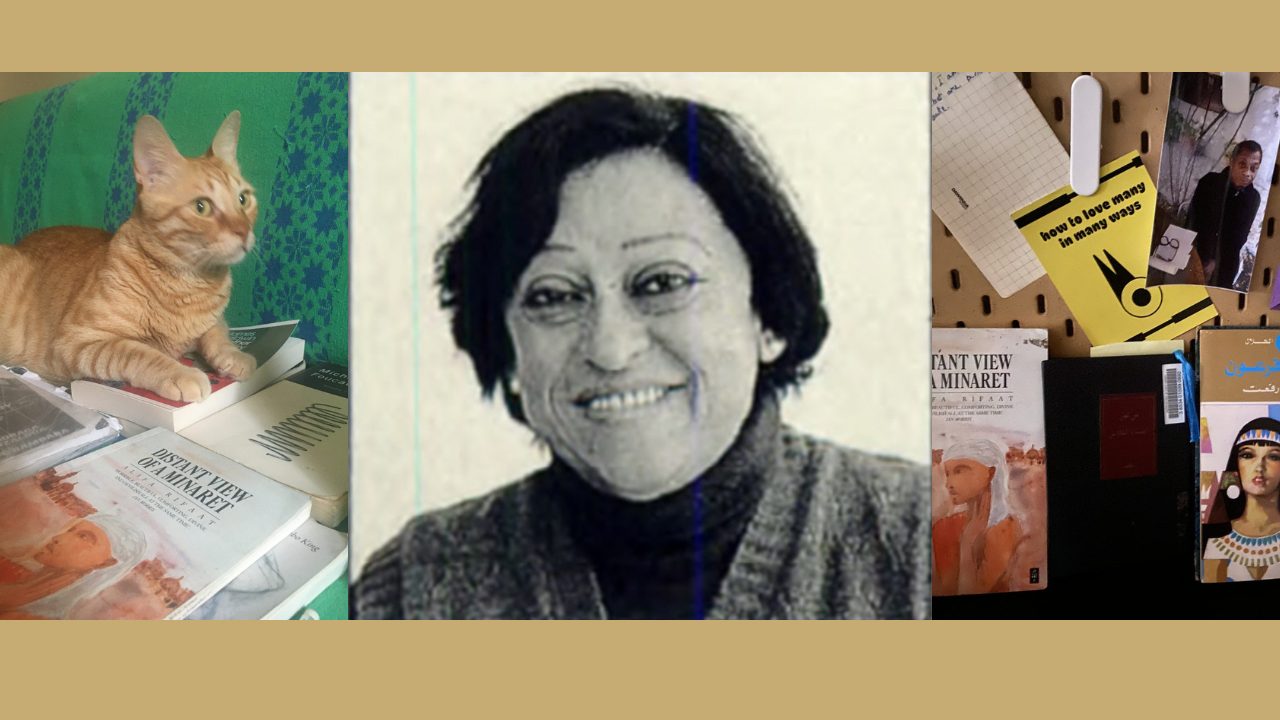
Sally Al Haq writes on Alifa Rifaat (1930–1996): “An erased writer wants to be discovered, wants to be read and witnessed. Every literary erasure entails this grief; of what’s been lost and what could have happened if this writer had been met with grace and freedom.”

In the preface to his short-story collection “Don’t Be Born Ugly,” author Ragaa Elish writes of ugliness: “They stand astonished before a phenomenon they can’t understand. It provokes all feelings of hatred in them, all the tragic bitter fruits to which the ugly person falls victim.”
Here, in an essay that originally appeared in Ultrasawt, Moaaz Muhammad explores the literature of legendary Egyptian writer Ragaa Elish, who declared in his short-story collection: Don’t Be Born Ugly.
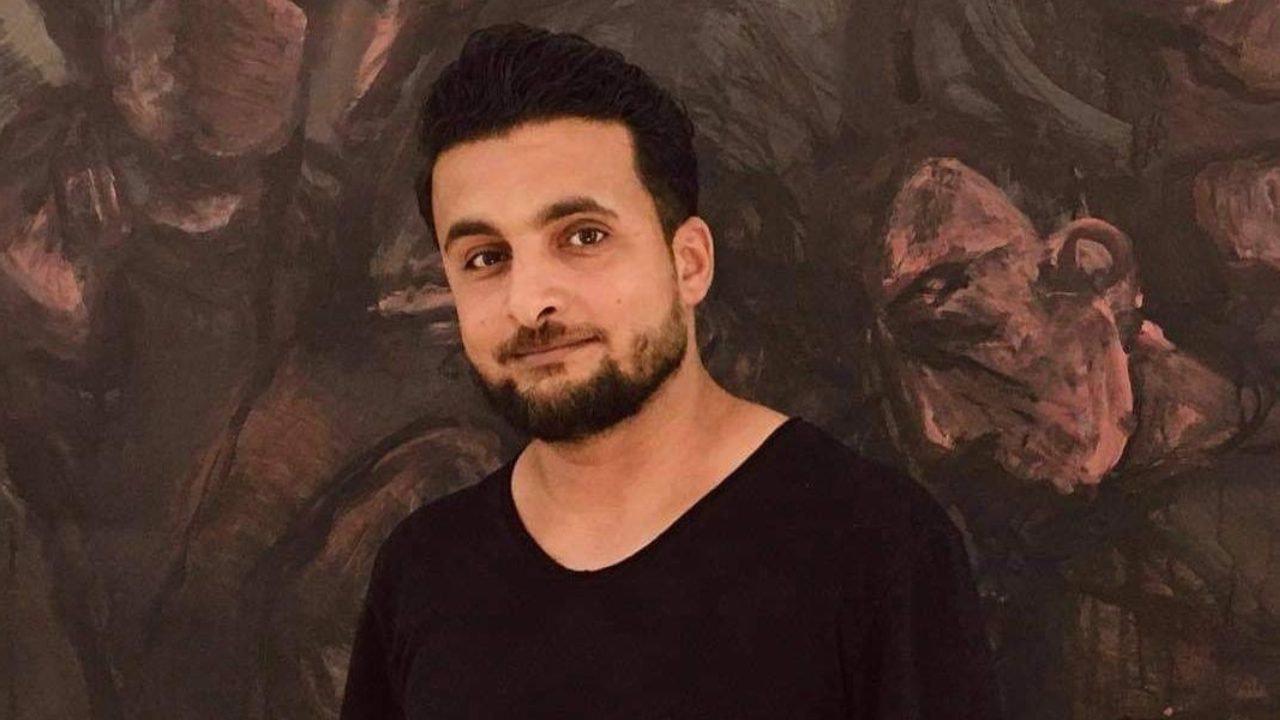
In this essay by Husam Maarouf, he writes: “Isn’t it strange for someone to laugh in Gaza? Here, laughter is not because destruction is amusing or enjoyable—it is a moment of nakedness before the self, a full exposure. One has no choice but to laugh.”

Batool Abu Akleen writes: “Heartsick, I am sharing with you my translations of some of her prose and poetry, as it was her wish to have a RESONANT death.”

Sondos Sabra is one of four Gaza-based Palestinian authors who have contributed to the forthcoming collection Voices of Resistance, expected this June. Here, she writes, “The air has grown heavier, as though an invisible hand holds its wings, preventing it from soaring.”
In this essay, Julia Choucair Vizoso reflects on erasure, blindness, and abolitionist love while searching for the “one-line poems that shake us out of sleep paralysis.”

However, for me, the most precious of all the manuscripts in my library were the six stories I wrote in Israeli jail. These were the first stories I ever wrote, penned during a few months of incarceration following my participation in the First Intifada in 1992. I wasn’t quite 19 when I wrote those stories. I “published” them by hanging them on the wall of the prison.