
We Knocked Until Our Hands Broke
Gaza-based Palestinian author Alaa Alqaisi asks herself the question posed more than half a century ago at the end of Ghassan Kanafani’s “Men in the Sun”: Why didn’t they knock on the walls of the tank?

Gaza-based Palestinian author Alaa Alqaisi asks herself the question posed more than half a century ago at the end of Ghassan Kanafani’s “Men in the Sun”: Why didn’t they knock on the walls of the tank?
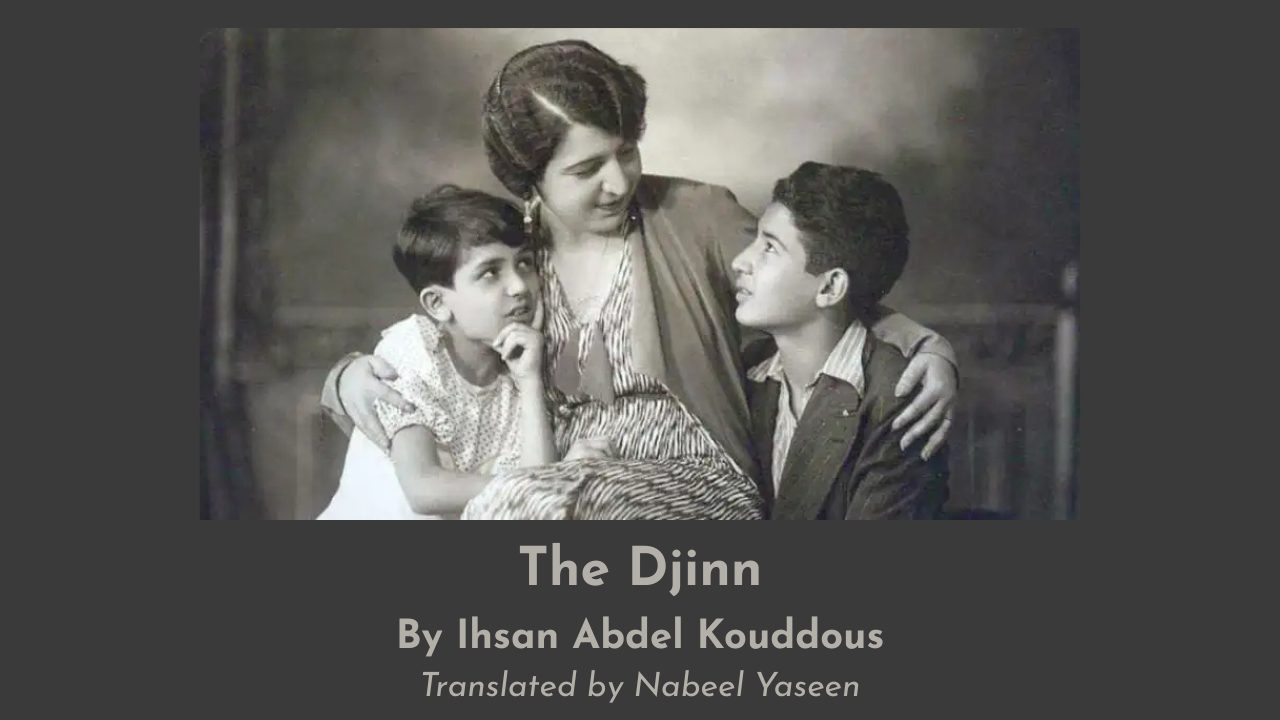
The prolific and popular Ihsan Abdel Kouddous (1919–90) tells us about his run-in with djinn.
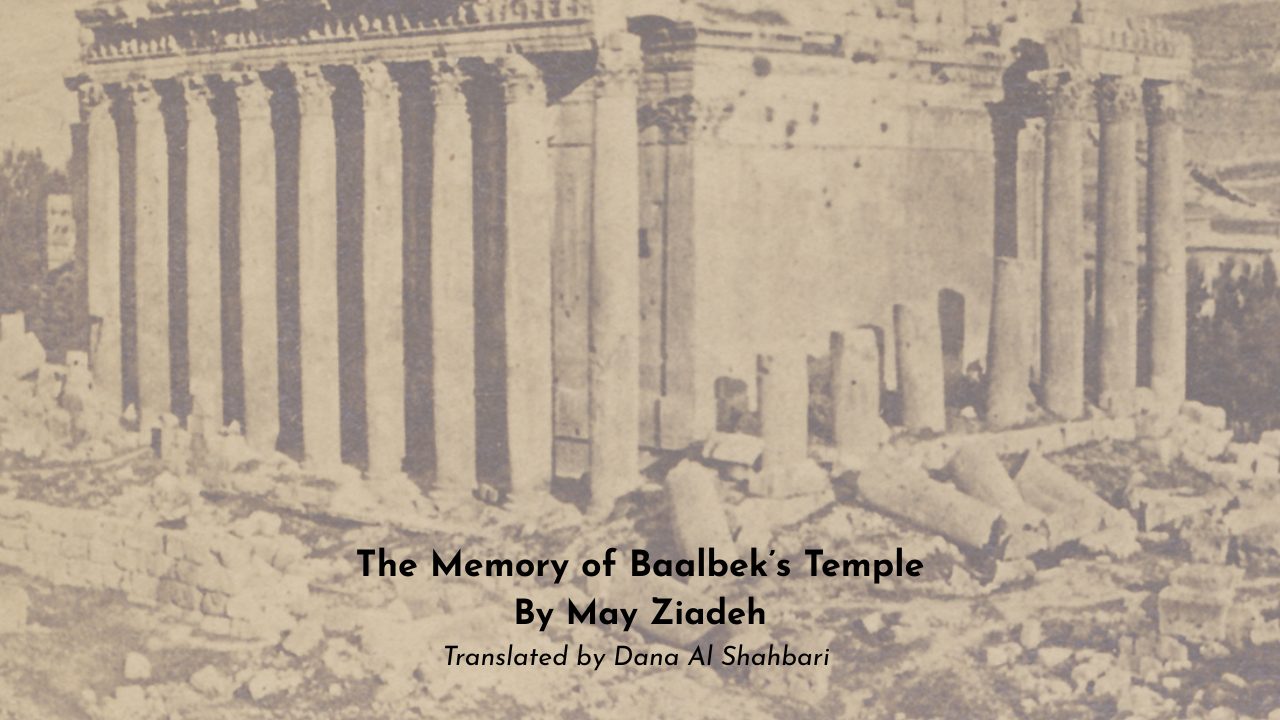
May Ziadeh stands before the ruins of Baalbek in 1911 and reflects on the nature of impermanence and the colonial designs of Westerners.
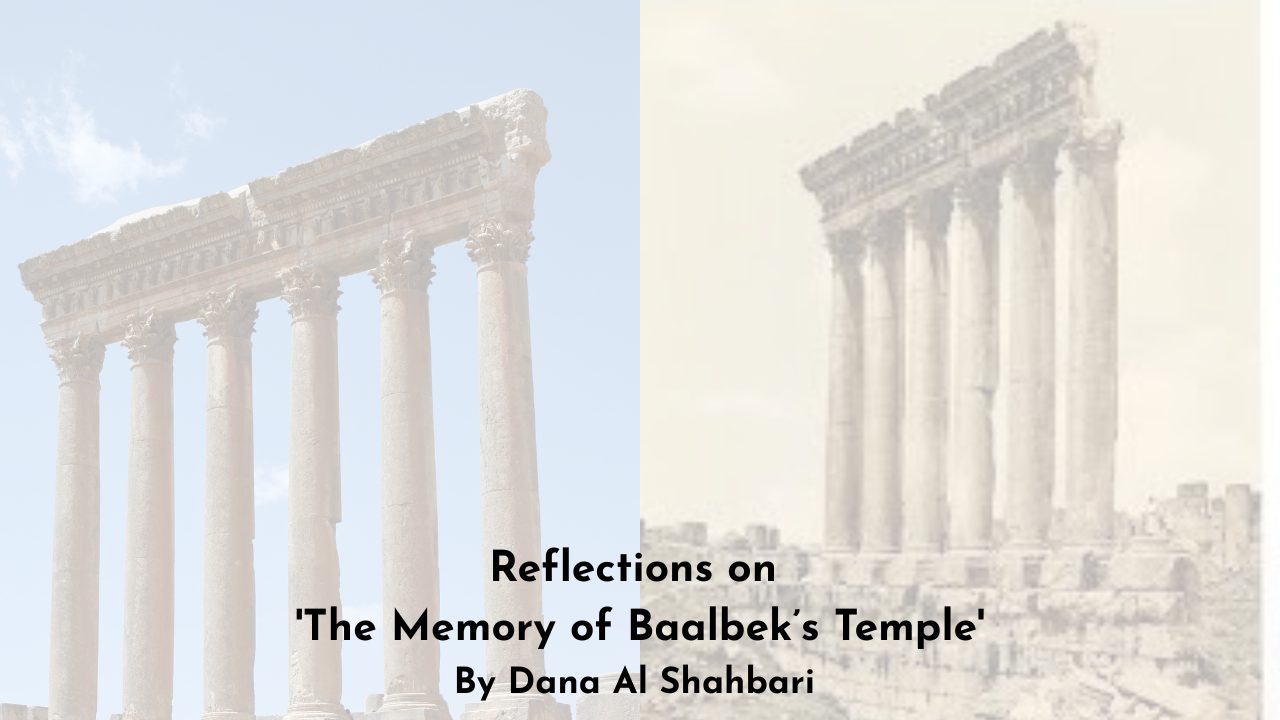
Dana Al Shahbari introduces May Ziadeh’s “The Memory of Baalbek’s Temple,” noting that when Ziadeh (1886-1941) boarded a steam train from Beirut to Baalbek, she returned “not only with a memory, but with a vision.”

In an extension of our GRIEF issue, Zied Abdelkader writes for Jed Henchiri, a physician, political activist, and one of the founders of the Tunisian Foundation for Young Physicians.
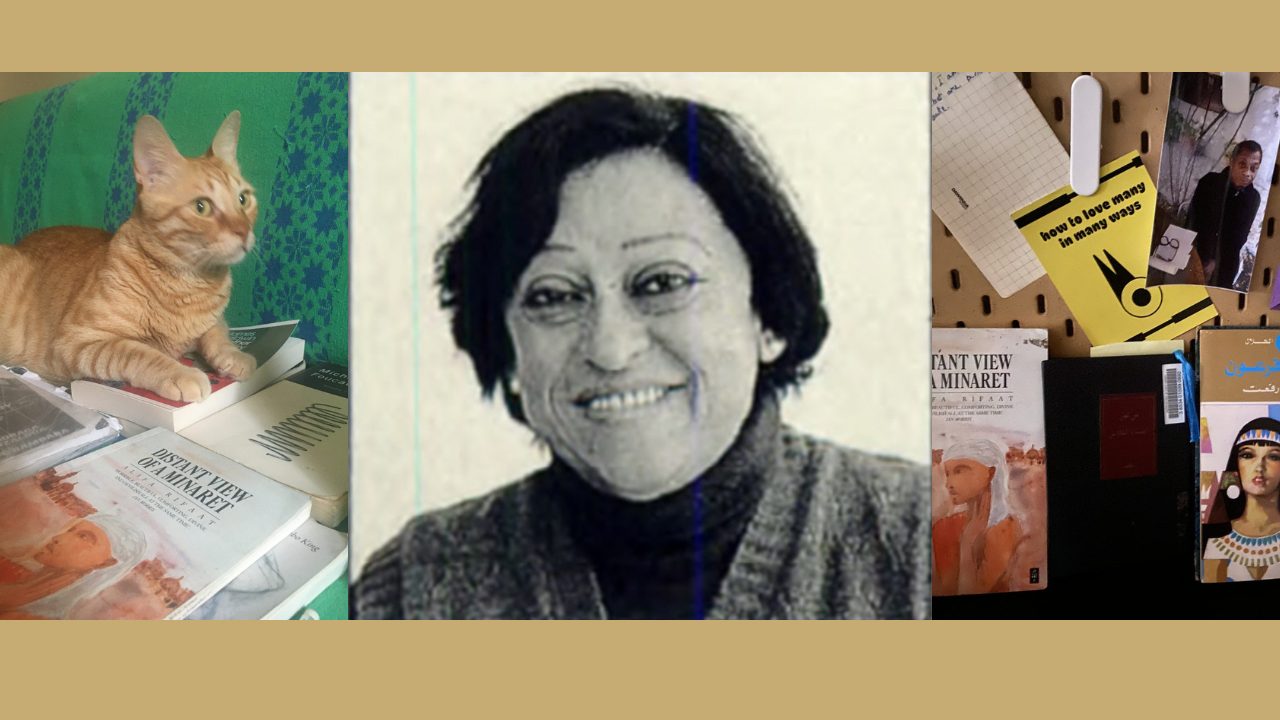
Sally Al Haq writes on Alifa Rifaat (1930–1996): “An erased writer wants to be discovered, wants to be read and witnessed. Every literary erasure entails this grief; of what’s been lost and what could have happened if this writer had been met with grace and freedom.”

In the preface to his short-story collection “Don’t Be Born Ugly,” author Ragaa Elish writes of ugliness: “They stand astonished before a phenomenon they can’t understand. It provokes all feelings of hatred in them, all the tragic bitter fruits to which the ugly person falls victim.”
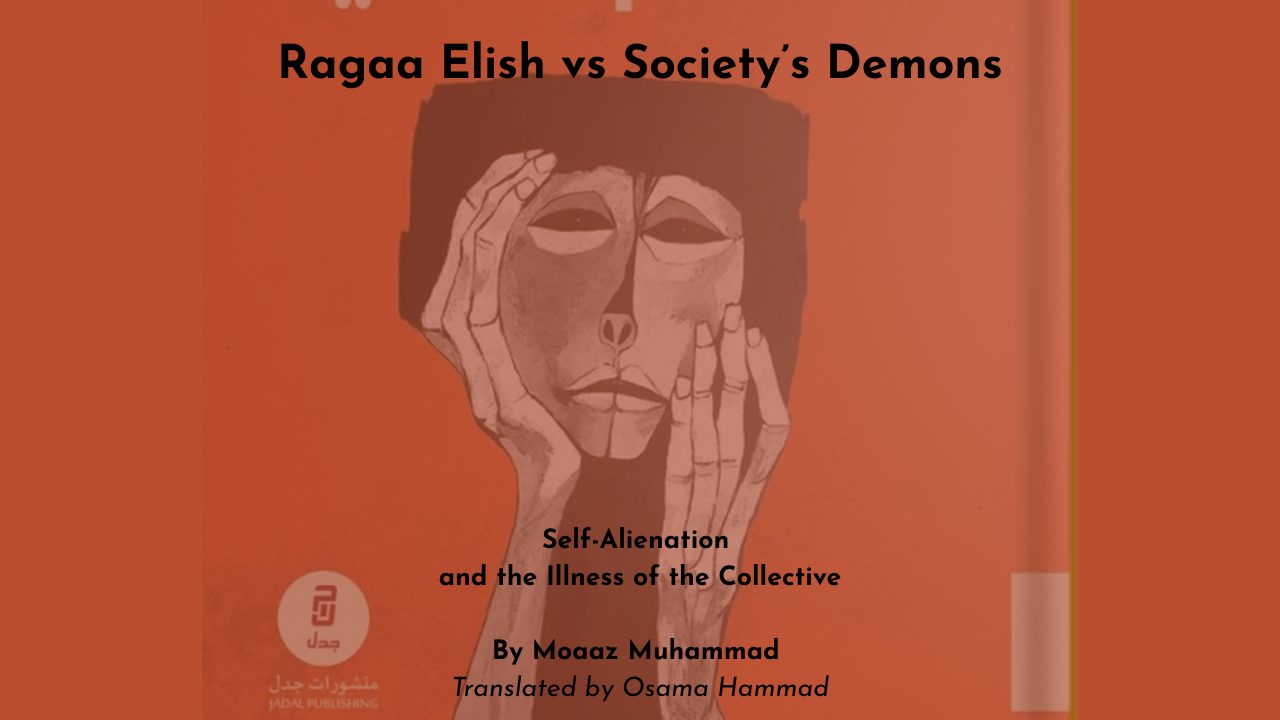
Here, in an essay that originally appeared in Ultrasawt, Moaaz Muhammad explores the literature of legendary Egyptian writer Ragaa Elish, who declared in his short-story collection: Don’t Be Born Ugly.
In this essay by Husam Maarouf, he writes: “Isn’t it strange for someone to laugh in Gaza? Here, laughter is not because destruction is amusing or enjoyable—it is a moment of nakedness before the self, a full exposure. One has no choice but to laugh.”