

10 Books: Influential Arabic Nonfiction by Women, 15th C-Present
Although Arab women’s novels are (sometimes) celebrated in English translation, their nonfiction contributions are largely overlooked.

Although Arab women’s novels are (sometimes) celebrated in English translation, their nonfiction contributions are largely overlooked.

The prize, run by Lunch Ticket, carries a $200 prize, as well as publication in the next issue of Lunch Ticket.

If only the fortune-teller had told me that
I would meet you in this labyrinth
Each time I begin to write about love
the other woman reaches out
and pushes my fingers from the keyboard
My girl, the storm knows nothing, though it rages, raves, and shrieks,
Have mercy on your heart, for these shadows will never speak.
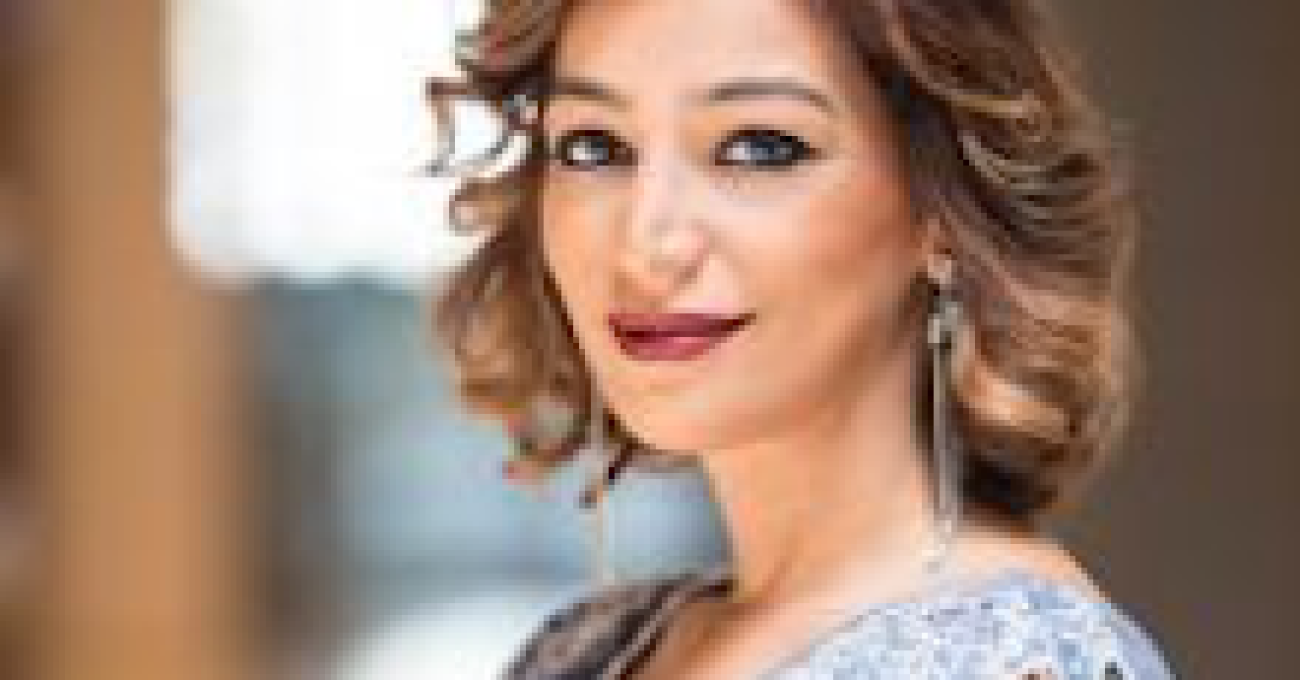
Egyptian novelist Donia Kamel — whose charming Cigarette Number Seven recently came out in Nariman Youssef’s equally charming translation — shares five of her favorite books by Arab women for Women in Translation Month.

Mina, co-founder of the Arab Writers Union in Syria, wrote more than 40 acclaimed novels, chronicling the injustices of the twentieth century.

“I’m very, very careful; there are ways that we say things in Arabic which if one were to translate them closely or literally would sound to an English ear as being either sectarian, or religious, or ‘backwards,’ if you want to put it that way.”
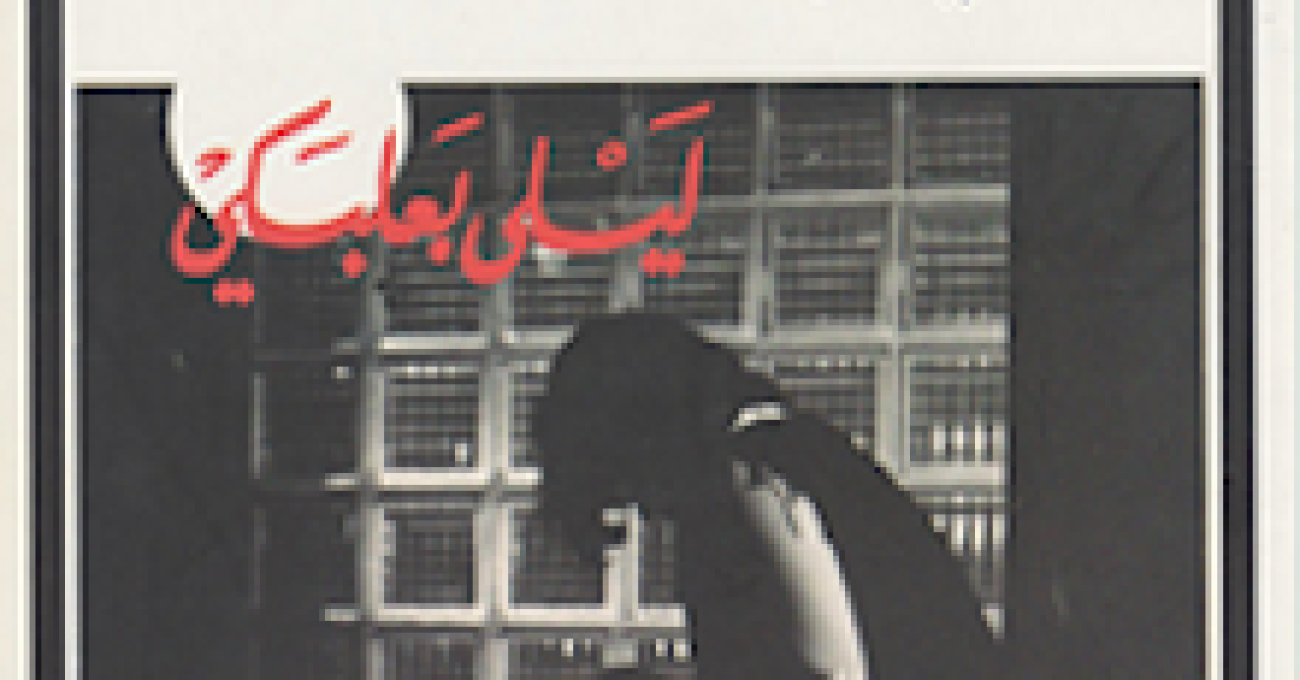
“He kissed my ear, gathered himself together, and sat up on the edge of the bed. Searching, his fingers struck the glass of water on the small table, then the book he had been reading that afternoon, the box of cigarettes, and the ashtray. Finally, he grabbed the wristwatch (the time was now a few minutes past nine)—as if he had to consult it in order to ensure that he awoke in an hour or a minute, or whatever instant of regularity he chose…like the regularity of his breath, which rushed out eagerly, weary of its stealth.”