

Moroccan Heaven, Moroccan Hell: A Trip Down ‘Ben Barka Lane’
This summer, an English translation of Mahmoud Saeed’s 1970 novel, Ben Barka Lane, came out from Interlink Books, trans. Kay Heikkinen.
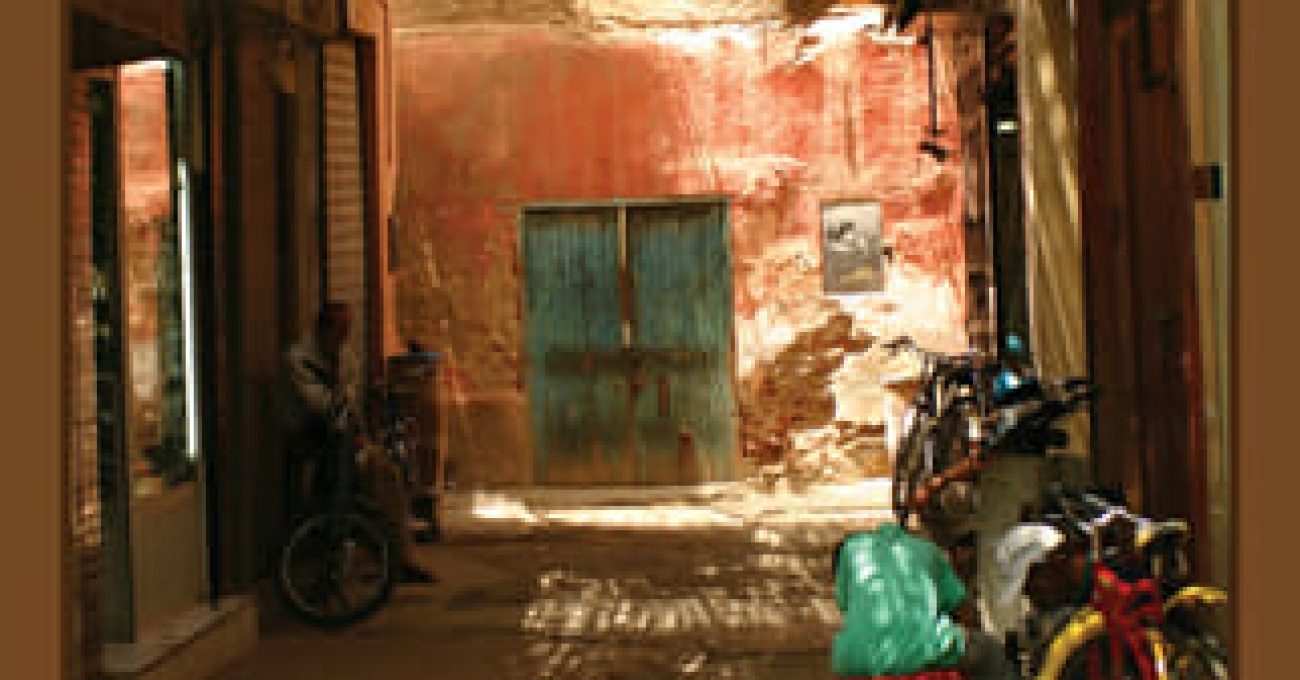
This summer, an English translation of Mahmoud Saeed’s 1970 novel, Ben Barka Lane, came out from Interlink Books, trans. Kay Heikkinen.
On the 4th of July, the Edinburgh World Writer’s Conference (@edwritersconf) tweeted: “As Cairo is on our minds, it’s a fitting moment to publish our Egyptian #worldwritersconf keynote by @SaharElmougy”.
A piece by Ayesha Almazroui in The National says “The UAE is a young country and so it has yet to develop a rich literary heritage to compare with…other countries in the region.” So, she asks: How can it be jump-started? Can it be jump-started?

Obviously, the focus today is on Egypt, not the US. However, 1) this is what I’d prepared for today, and 2) the relationship between the US and most Arabic-writing nations remains in a tangle. These portraits are of interest, I think, both to Arabs and to North Americans.
A few newly translated poems, stories, and novel excerpts for your July reading.
If you’re in London, don’t miss the 2013 Shubbak Festival’s big literary finish, with four fantastic authors exploring “Arab London’s artistic and literary heritage.”

Yesterday, I had a piece in Africa is a Country that makes the case for why “North Africa” (you know, Egypt, Libya, Tunisia, Algeria, Morocco, and sometimes Mauritania and Sudan) should be included in literary “Africa.”
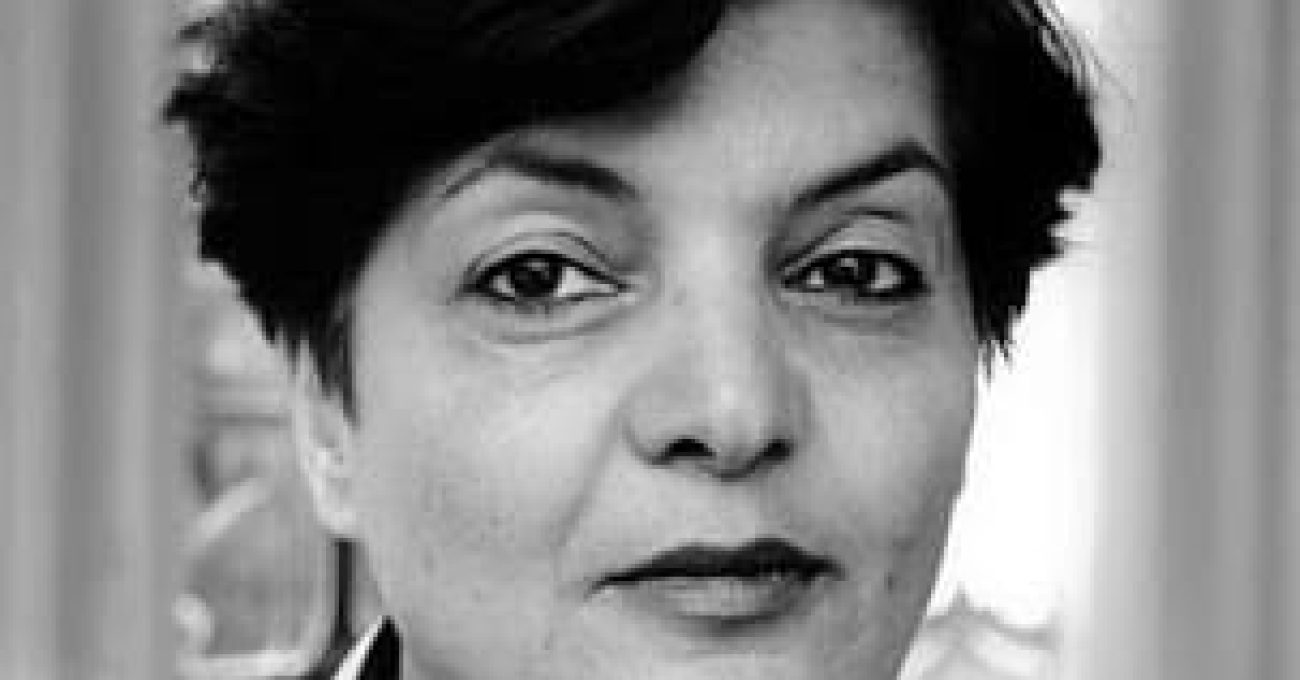
Yesterday, organizers announced that the Palestinian novelist Sahar Khalifeh had won the Mohamed Zafzaf Prize for Arabic Literature.
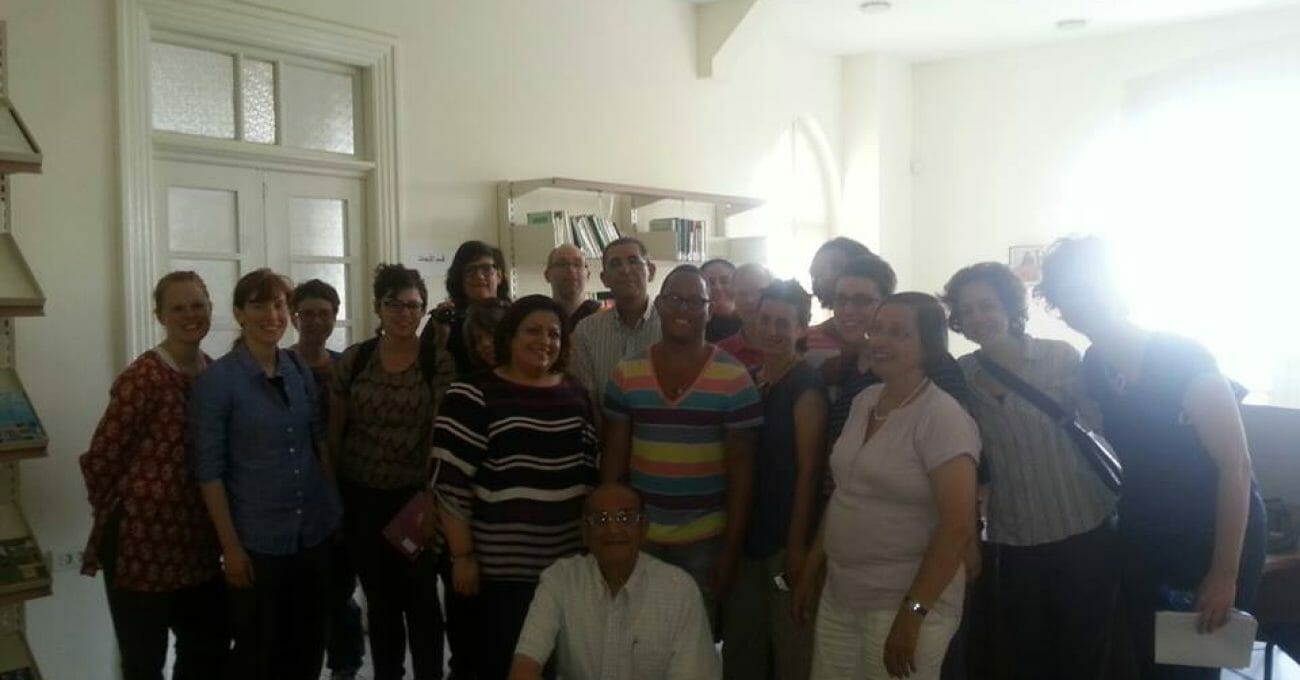
From June 22 until July 5, a group of librarians, archivists, and other library workers is traveling around Palestine and Israel in order to connect with colleagues, bear witness, share skills, and seek out possibilities for joint work.