World Poetry Day: 21 Poems by Arab Women (in Translation)
To mark the day, we have a list of 21 poems by Arab women, translated to English, starting with the sixth century and ending with work published in 2020.
To mark the day, we have a list of 21 poems by Arab women, translated to English, starting with the sixth century and ending with work published in 2020.
“I don’t know how many hours I’d spent in solitary confinement. I was alone with four cold silent walls. I couldn’t hear anyone’s voice in that gloomy cell, and I don’t think anyone could hear me.”
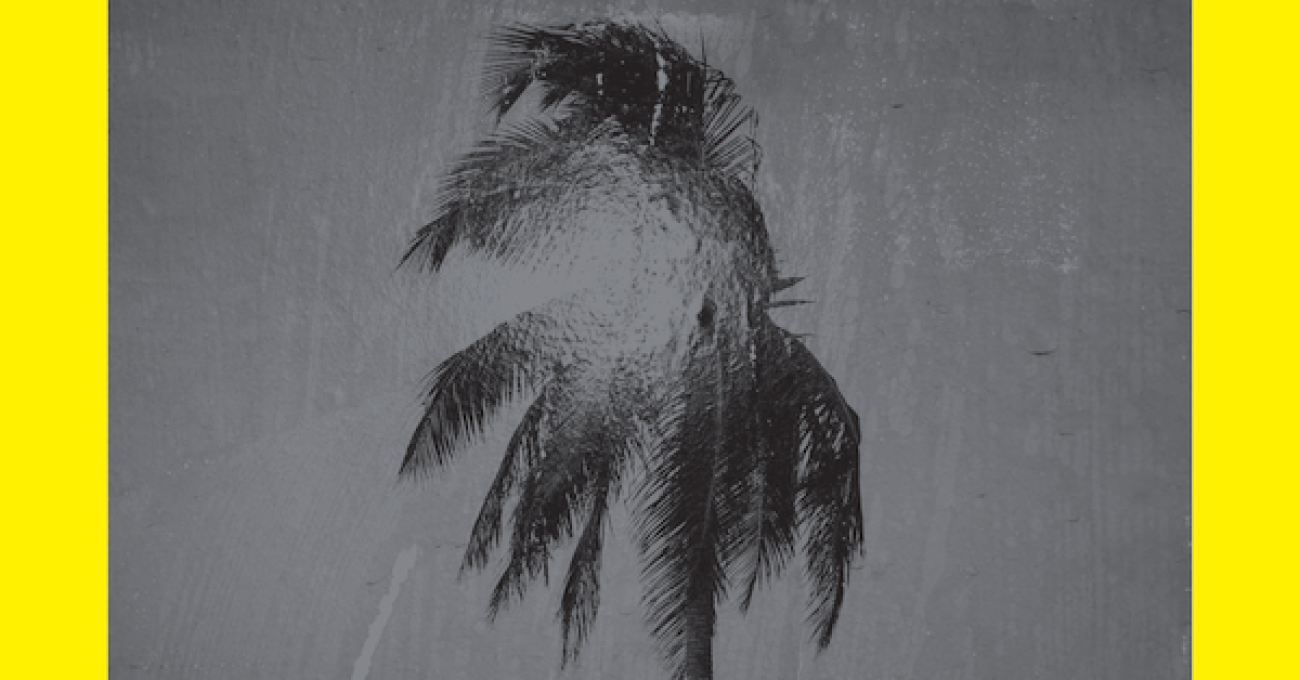
“Home,” a new bilingual collection of contemporary Arabic poetry, is set for a September release, and it features work from nine poets, hailing from eight different countries, with an emphasis on “the minutiae of everyday life—the pain, the pleasure, the uncertainty, the ennui.”
“Award-winning writer, @PalFest founder, all-around cultural exemplar Ahdaf Soueif charged with illegal protest and spreading false news about negligence within prisons regarding #COVID19, according to lawyers. Prosecutors still to question Mona, Leila, and Rabab.”

The off-London Book Fair podcast explores the Miyah poetry movement that was sparked in April 2016 when poet Hafiz Ahmed composed “Write Down I Am a Miyah,” an echo of Mahmoud Darwish’s “ID Card,” and shared it on social media.
Edwar al-Kharrat (March 16, 1926-2015) was an Egyptian novelist, writer, and critic, and great lover of books. He would’ve been 94 today. In his honor, we revisit this special section.
Here they are the words fluttering in the mind/
There’s a land in the mind with a heavenly name the words carry.
“The only picture remaining of my grandmother is that mental image each of us has of her—personal images we each formed in the privacy of our own minds. How souls fragment and multiply when they depart this world! And now she inhabits that shifting existence, free to appear as she wishes.”
This comes as the Abu Dhabi International Book Fair — set to take place from April 15-21 — has been postponed to the end of May as a “precautionary measure to protect public health.”