‘On the Back of Restless Winds’
In his 2015 autobiography, A Time of Wind, Anxiety, and Freedom (أزمنة الريح والقلق والحرية ), Sudanese scholar Dr. Hayder Ibrahim Ali offers a rare and insightful account of Sudan’s intellectual and political life.

In his 2015 autobiography, A Time of Wind, Anxiety, and Freedom (أزمنة الريح والقلق والحرية ), Sudanese scholar Dr. Hayder Ibrahim Ali offers a rare and insightful account of Sudan’s intellectual and political life.

Lebanese artist and writer Lamia Ziadé’s fifth illustrated book for adults, Rue de Phénicie, (Phoenicia Street), is a work of intellectual rigor and personal honesty. It’s a story that begins with finding hedonistic joy in Paris grows progressively more complicated by her excavations of the past and grappling with the present.
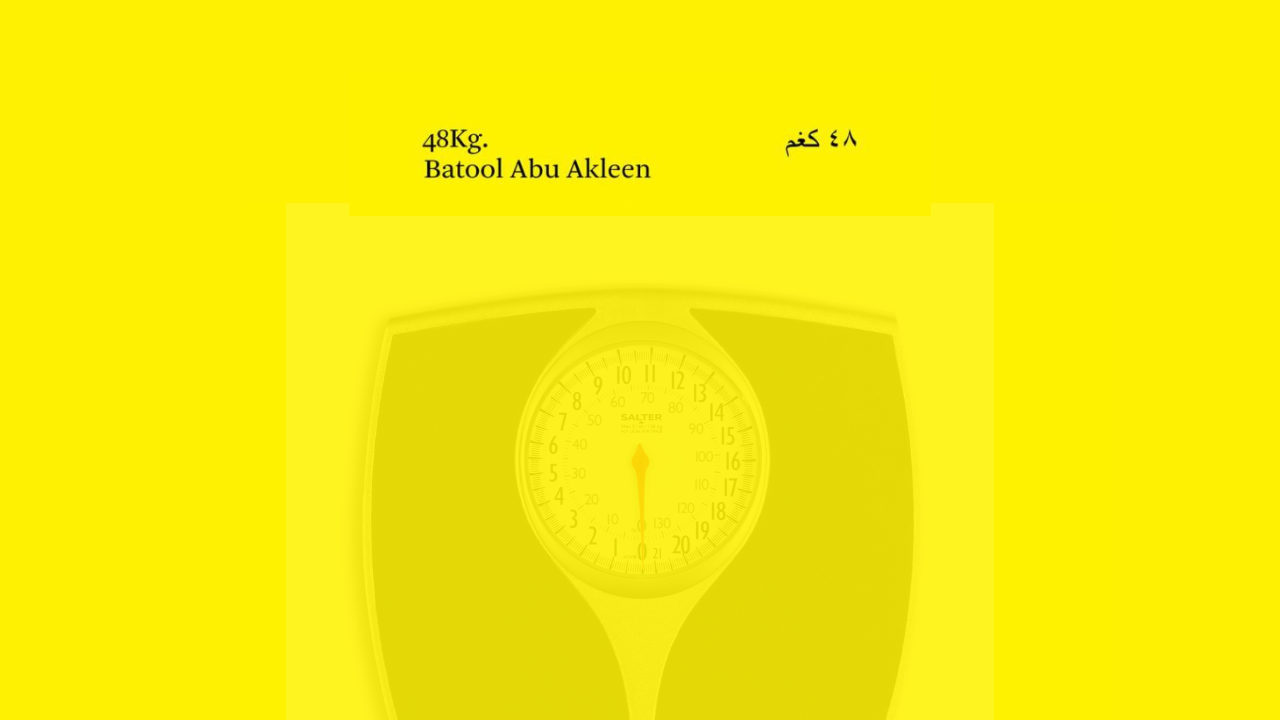
Gaza-based Palestinian writer Husam Maarouf responds to Batool Abu Akleen’s ’48 kg.’

When can loss that never ends be said to have happened? When will absence finally finish arriving? Who is the self if left partial, displaced from identity to be found neither here nor there? And if loss defines us, when may we be ourselves?

Several authors who contributed short stories to the collection spoke about their thoughts on the collapse of time, historical continuities and the notion of fighting ideological fantasy with fiction.
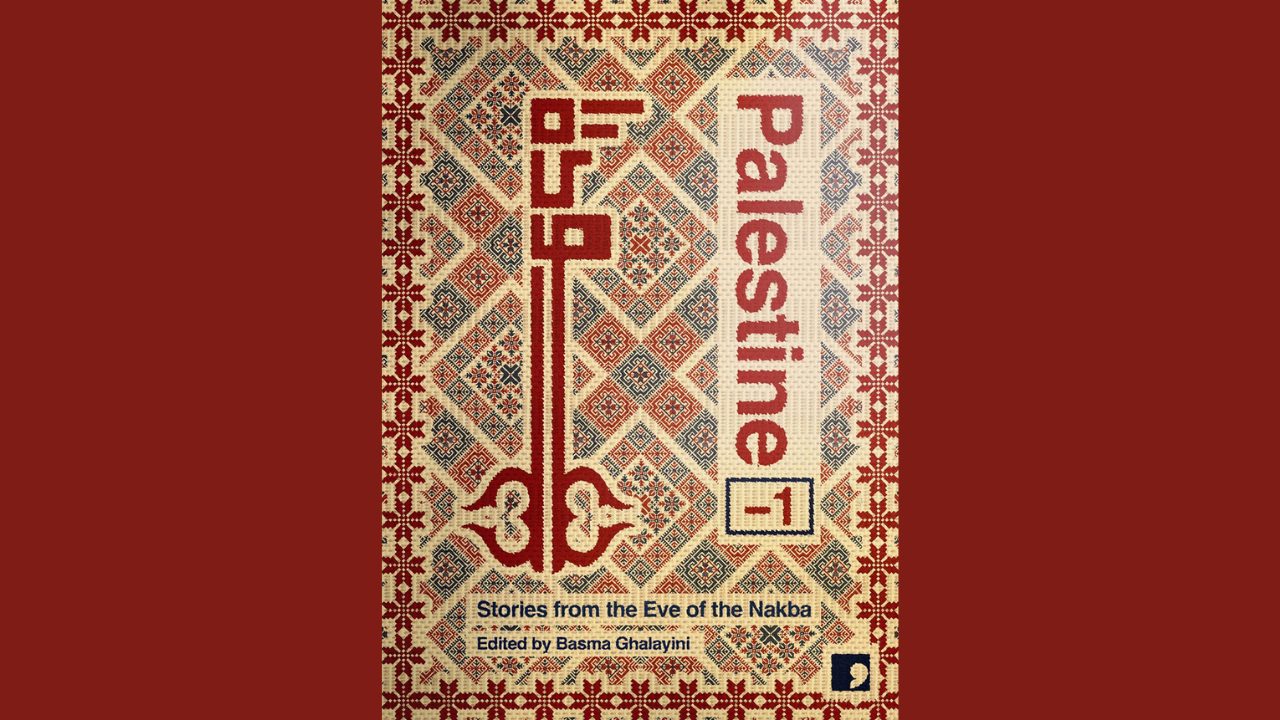
From the very first lines of her introduction, editor Basma Ghalayani thrusts us right into a hurried, pulsing Gaza. A passerby asks a Gazan sprinting down the street if something has happened. He answers, “no, but it might.”
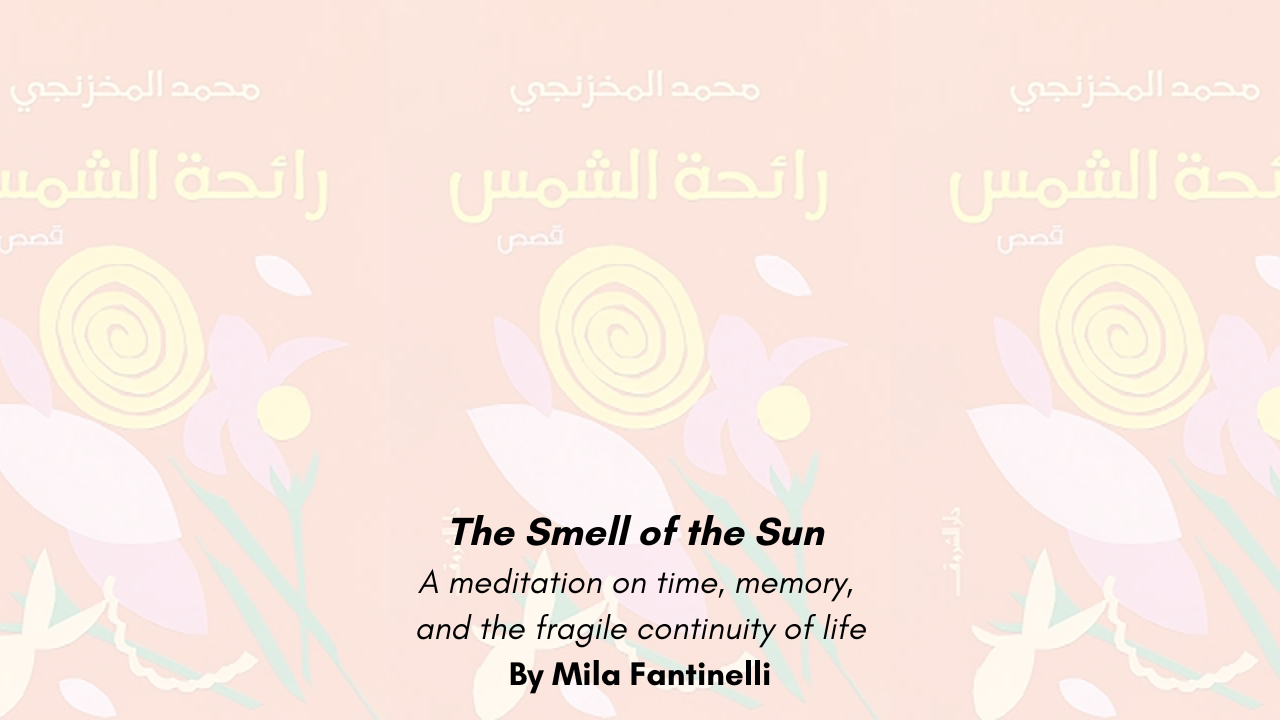
“In Makhzangi’s world, existence unfolds through affection, love, and memory, all leading toward that last serene surrender. Death is therefore not an end but the ultimate form of belonging, the moment when everything returns to the vast, breathing rhythm of life itself.”
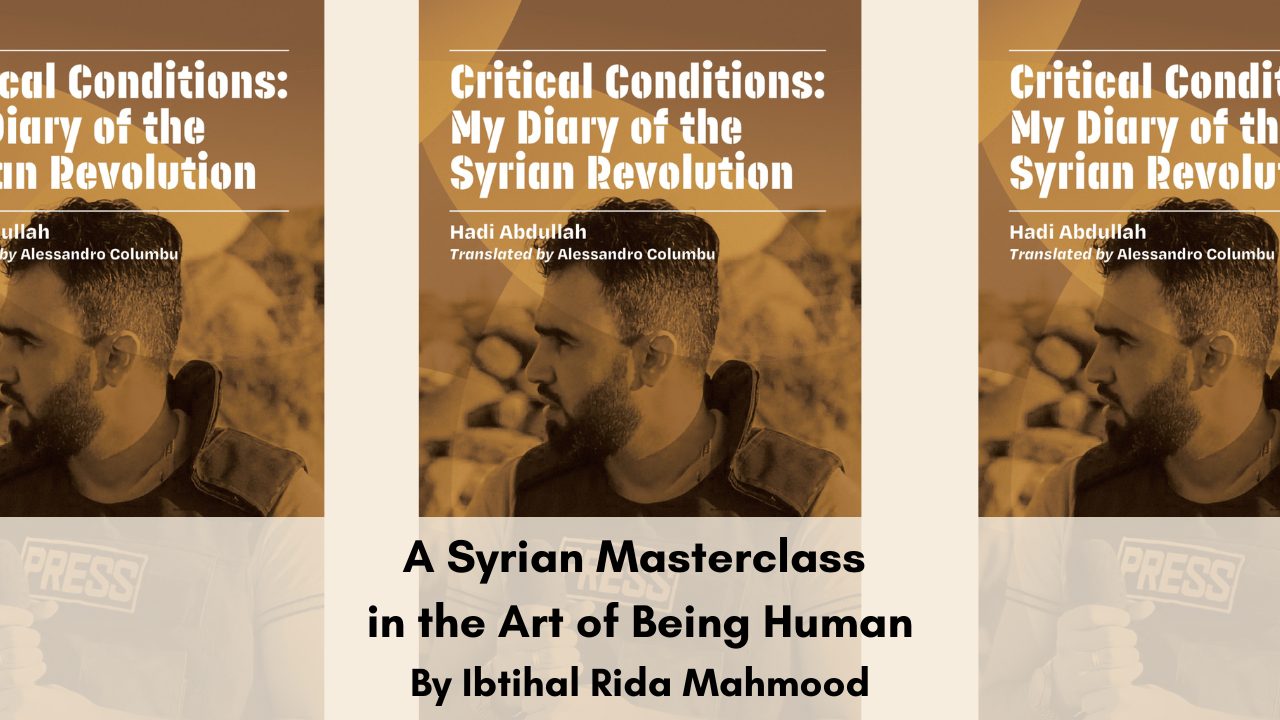
Ten months and six days after the sudden fall of Syria’s Bashar al-Assad and his regime, DoppelHouse Press released Critical Conditions: My Diary of the Syrian Revolution, the eyewitness chronicles of nurse-turned-frontline-war-reporter Hadi Abdullah, ably translated by Alessandro Columbu.

This October will see the release of Lebanese writer Souhaib Ayoub’s second novel, Le Loup de la famille (The Wolf of the Family), in Stéphanie Dujols’ translation. Originally published as Zi’b al-‘a’ila in 2024 by Hachette Antoine/Naufal, the French publication is an event for several reasons, not least because an exciting new voice has arrived in French.