Teaching with Arabic Literature in Translation: Abdelrahman Munif’s ‘Cities of Salt’
“In a course with limited time to discuss reader perspectives and biases, I prefer to focus on the act of translation.”

“In a course with limited time to discuss reader perspectives and biases, I prefer to focus on the act of translation.”
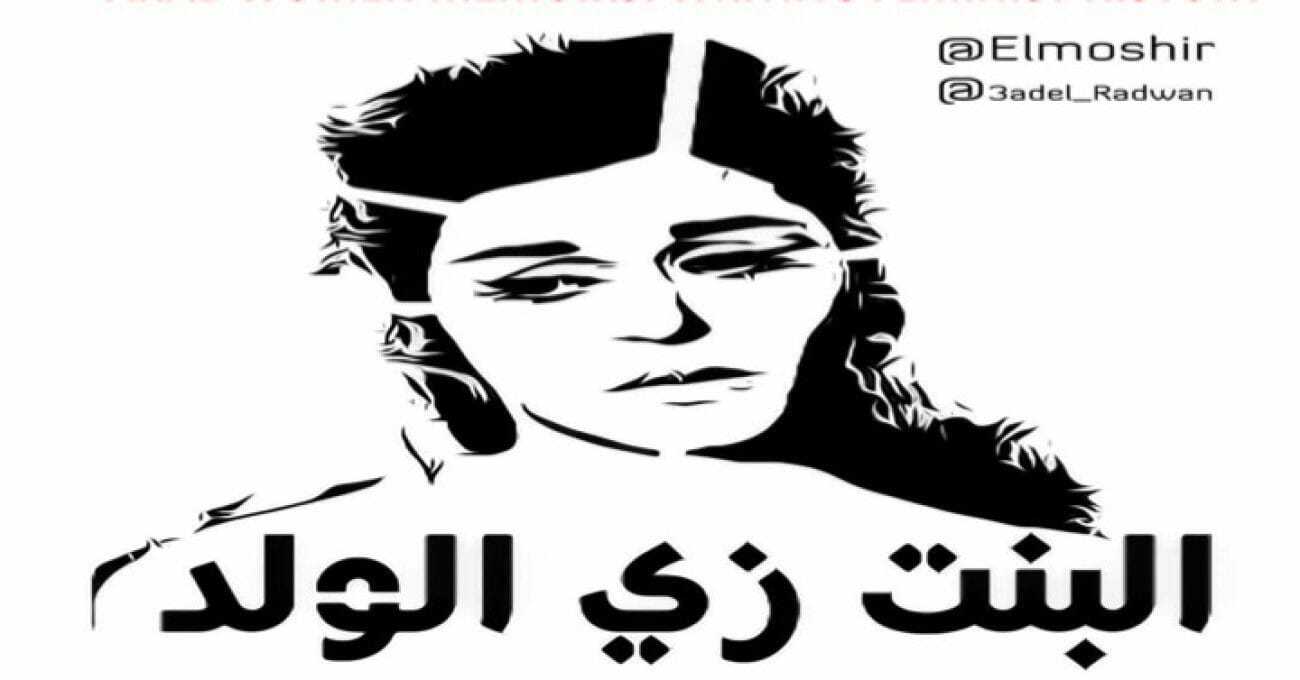
“The goal of this course was to help students recognize these voices as important sources of social and intellectual history, and hence the choice to use non-fictional texts, which lend themselves to historical interpretation more easily.”
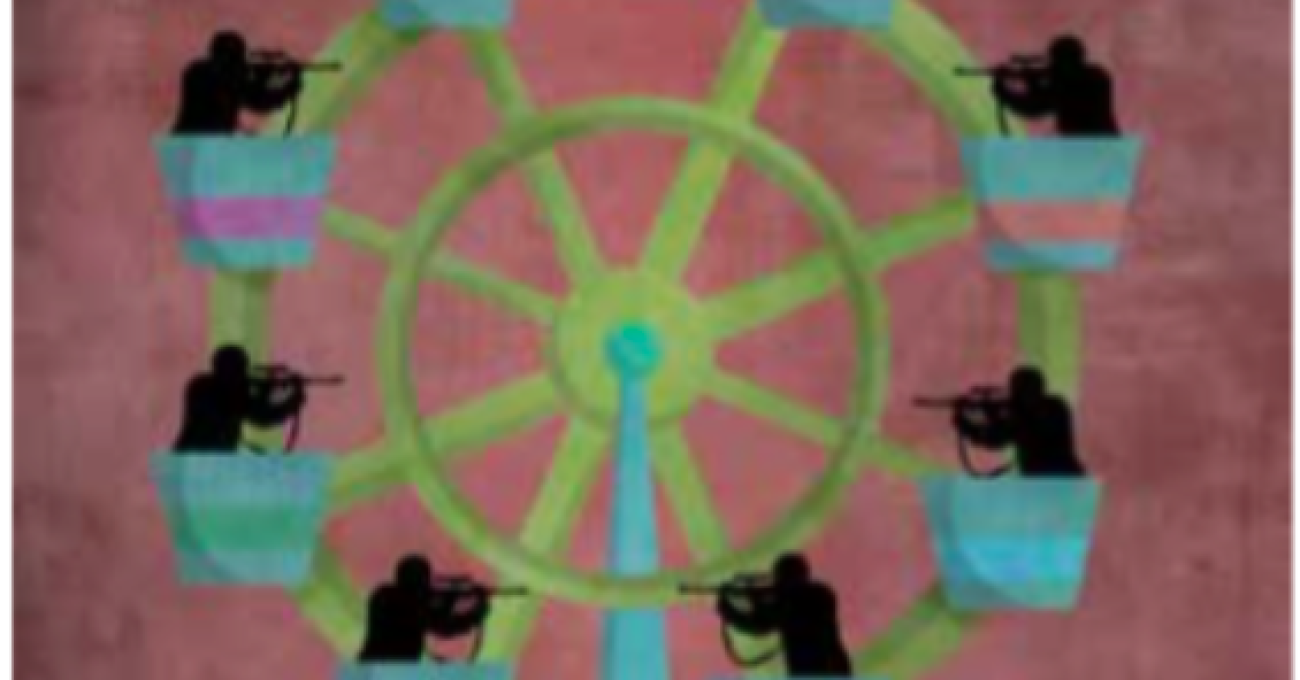
“In the ‘Narrating Conflicts’ course, we think a lot about calls to empathy and how different experiments with form are trying to engage their readers / viewers / players.”
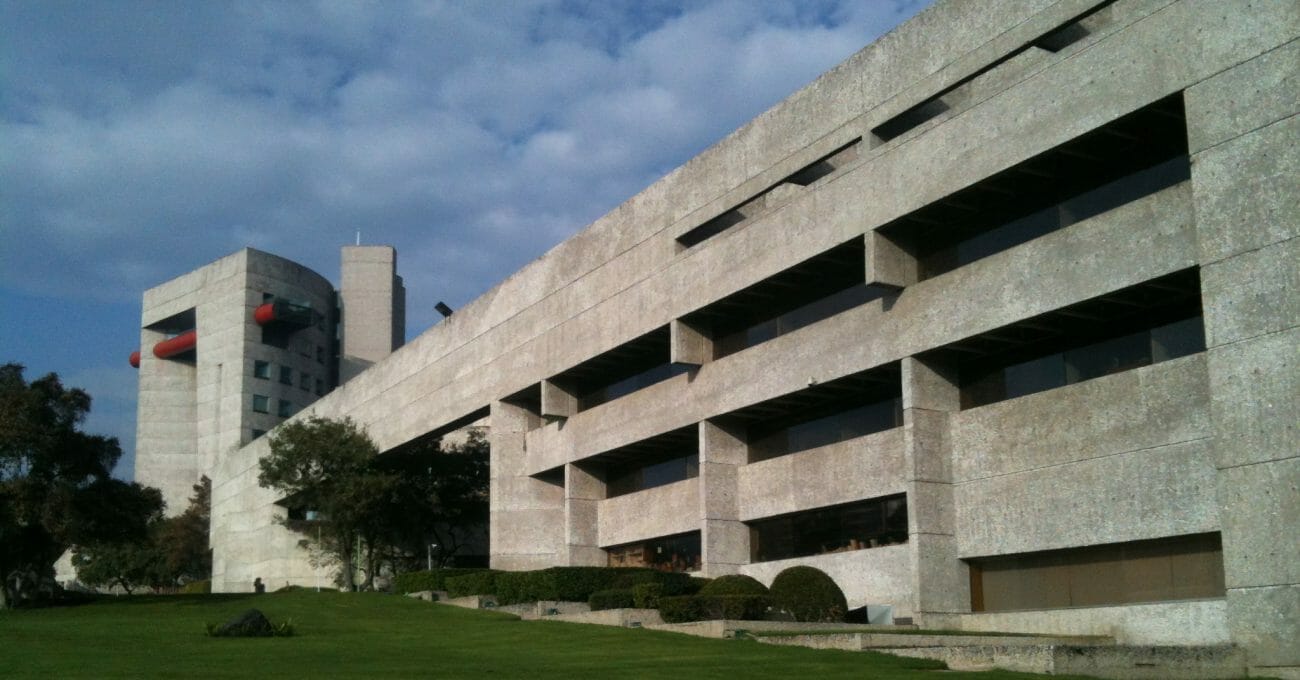
ArabLit’s ongoing series on Teaching with Arabic Literature in Translation continues with a conversation between ArabLit’s editor and Shadi Rohana, who teaches “Literatura árabe moderna” and “Literatura árabe moderna II: literatura testimonial femenina” at El Colegio de Mexico.
“With the course’s title, I’ve offered students three huge categories that can be endlessly debated. On our first day of class, I put “Arab,” “Literary,” and “Travel” up on separate sections of the board.”
“Iraq is just one example, but there are so many corners of this thing we call ‘Arabic Literature’ that are worthy of more attention than they get. I hope that we will see more of this literature make its way into university reading lists.”

“I must say, I’ve never taught a course on Moroccan literature, until now, because I felt there hasn’t been enough work available. I feel like I’m now ready to start thinking about such a course.”

“Other labels we pick apart are ‘Literature of Resistance’ and ‘Poets of the South in Lebanon’ as examples of this labeling process that is motivated by extra-literary imperatives.”

“I think the corner stone of a good academic experience is the public lecture. Through the public lecture, the university asserts curiosity as the most essential feature of learning. When I was a student, the public lectures I attended were the key that opened the world for me, and I hope Tarjamat will open translation as a problematic for a much larger community than specialist interest in the field.”