#TranslateThis: ‘Camelia’s Ghosts’ and ‘And the Family Devoured Its Men’
In this psychologically astute, page-turning novel, the reader must root for Camelia. But they also can’t help but understand the other characters, too.
In this psychologically astute, page-turning novel, the reader must root for Camelia. But they also can’t help but understand the other characters, too.
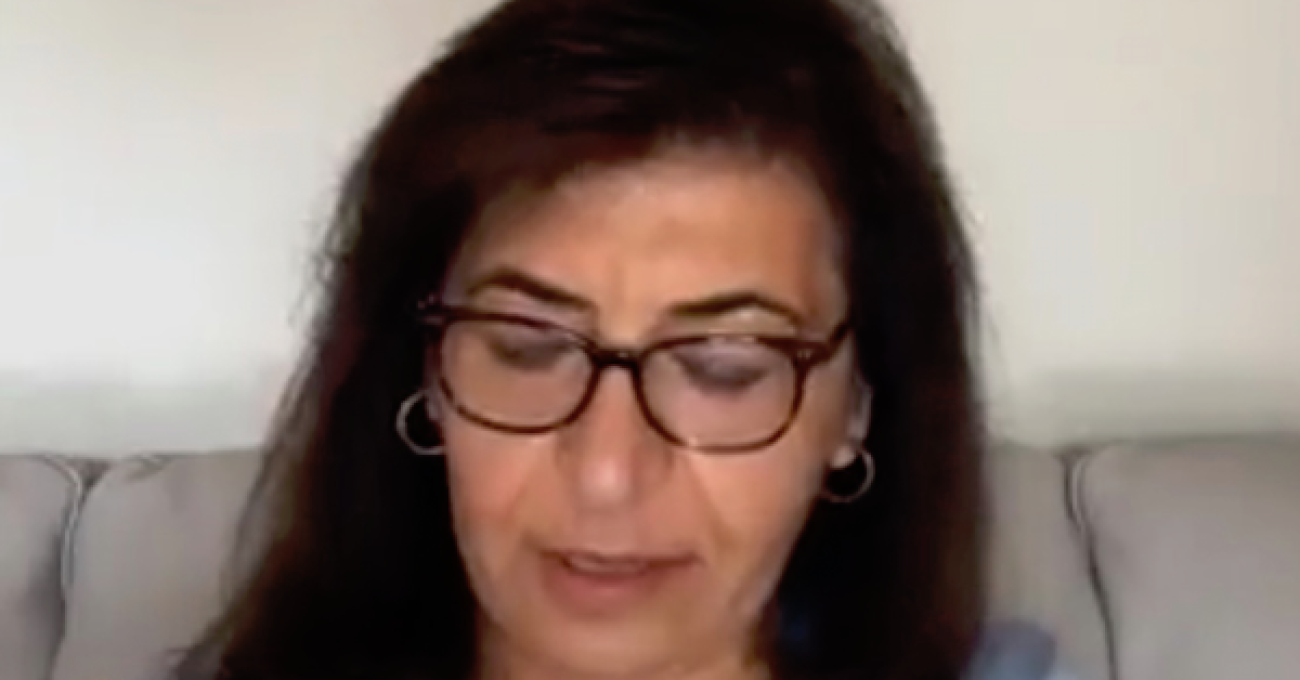
“I was not sure about how good or bad of an idea it was to publish my book (the Arabic original at least) during this pandemic time, but I thought: What about the babies who will be delivered now? I know timing a book is easier than timing a life, but we can never guarantee what happens later; there’s always risk no matter what we do.”
“They say this city was once beautiful.”
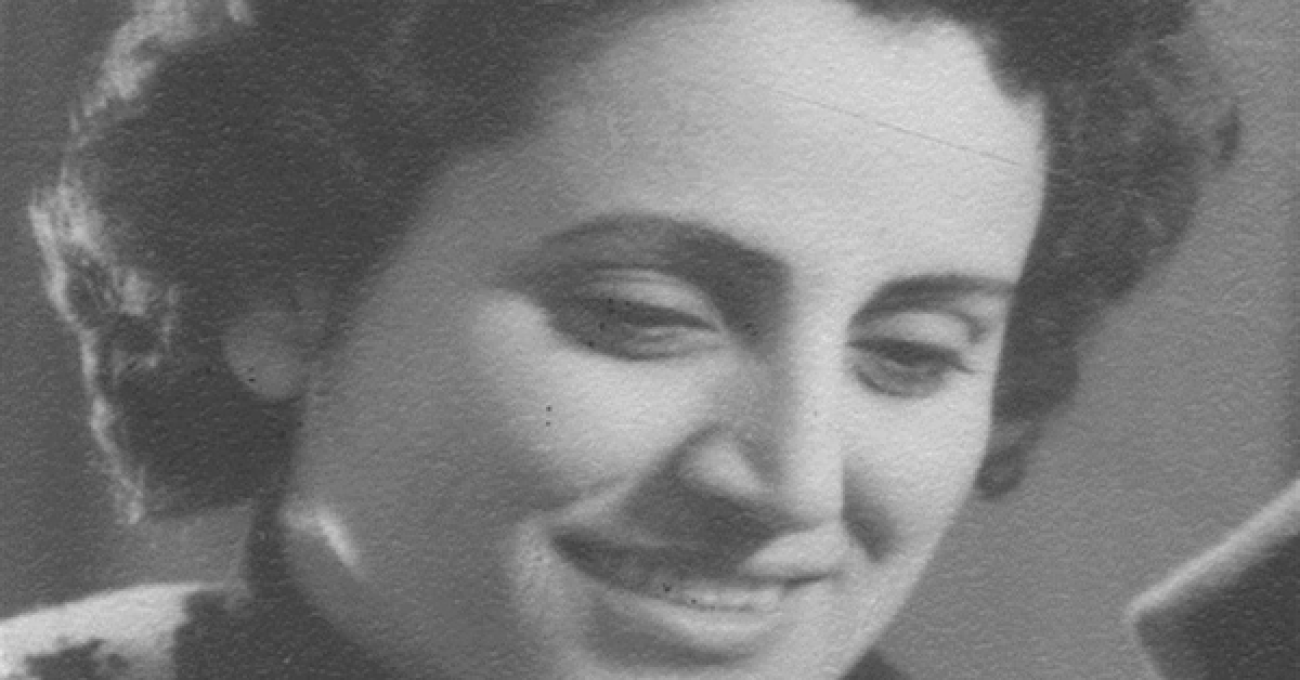
“I would love for her entire corpus to be translated, particularly given that what little has been so far is highly unrepresentative of her overall body of literature.”
“But men / but the wind push her out on the cliff. / She watches the ocean / she would like to hurl herself into the ocean / to drink up the ocean.”
For Women in Translation Month (#WiTMonth), we focus on three Maghrebi women writing in Dutch.

“You’ll find something that looks like a boulder, but it’s not—it’s cork, painted so that it resembles rock. Push it aside and go out. A few meters away you’ll find someone who’ll look after you.”

This poem first appeared in the British magazine The Wolf. It appears here — to celebrate the life and writing of Fadwa Suleiman — with permission.
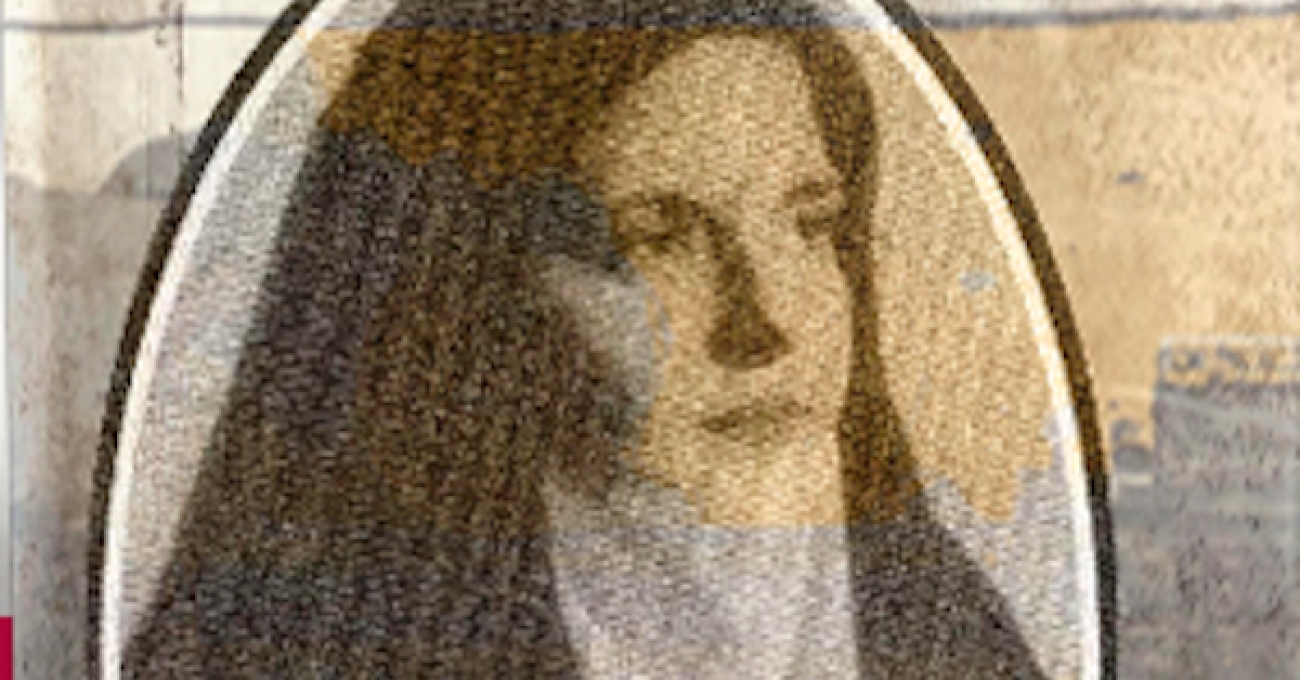
“When Zaynab Fawwaz died in early 1914, long obituaries appeared in Egypt’s newspapers: she was not forgotten in her own time.”