
Poetry in Translation by Fadwa Suleiman
“I’m sitting alone in my room / my clothes scattered around me”
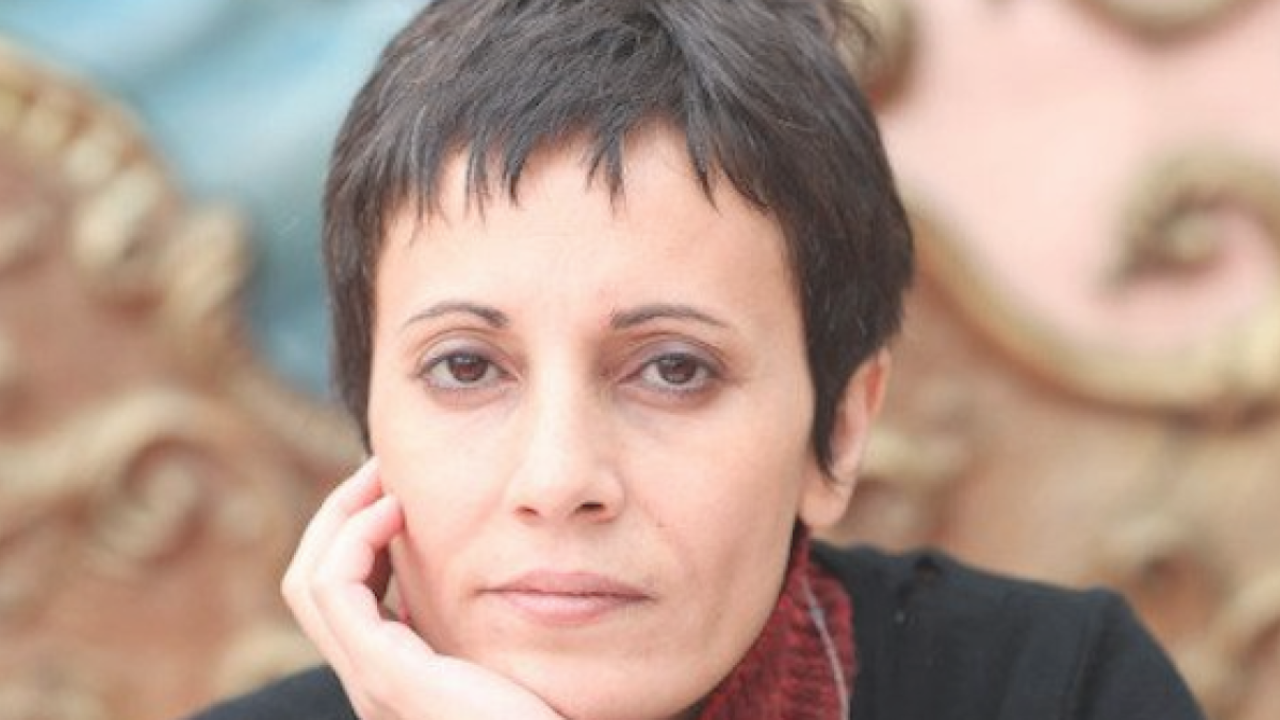
“I’m sitting alone in my room / my clothes scattered around me”

Today is the Dublin launch of ArabLit contributor Alaa Alqaisi’s The Thin Border: Living in Extra Time. It is available through Skein Press.
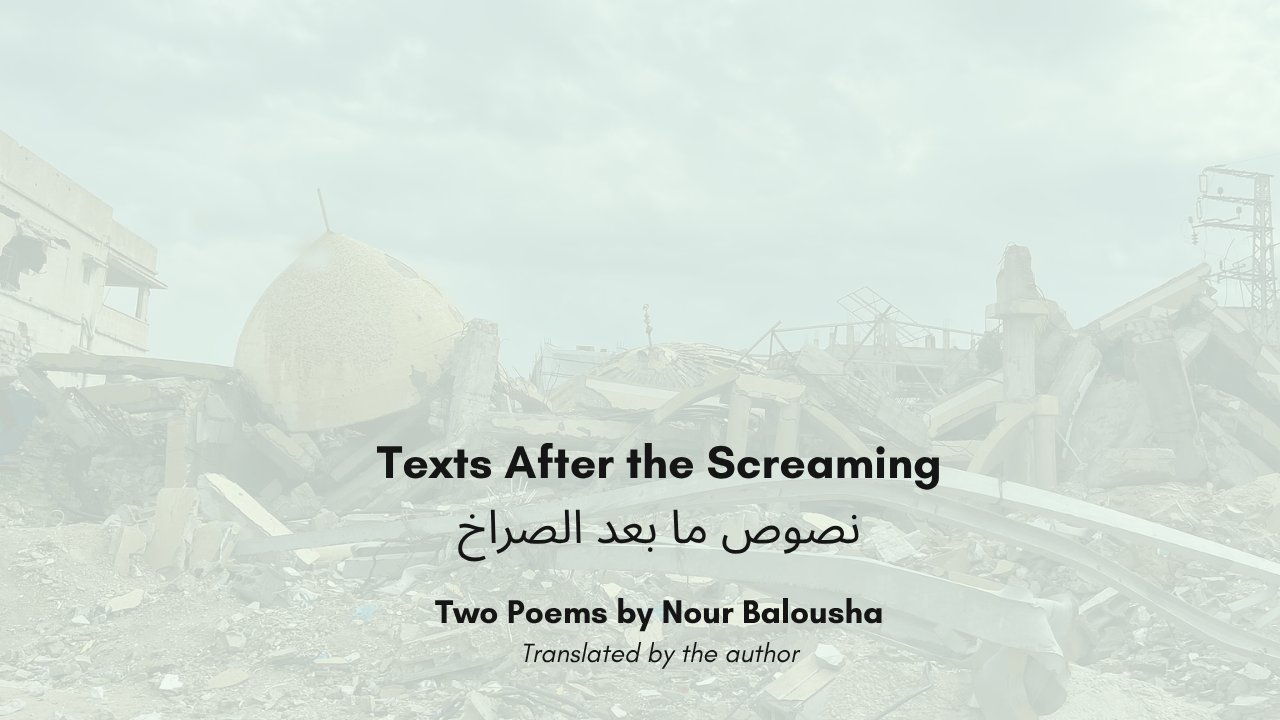
Nour Balousha wrote these two poems “after I stopped screaming, not because it ended, but because I grew too exhausted to keep screaming.”

Yesterday, the National Book Foundation announced the longlist for the 2026 National Book Award for Translated Literature.
Mostafa Khraïef (1910-1967) was a prominent Tunisian poet, writer, and journalist.
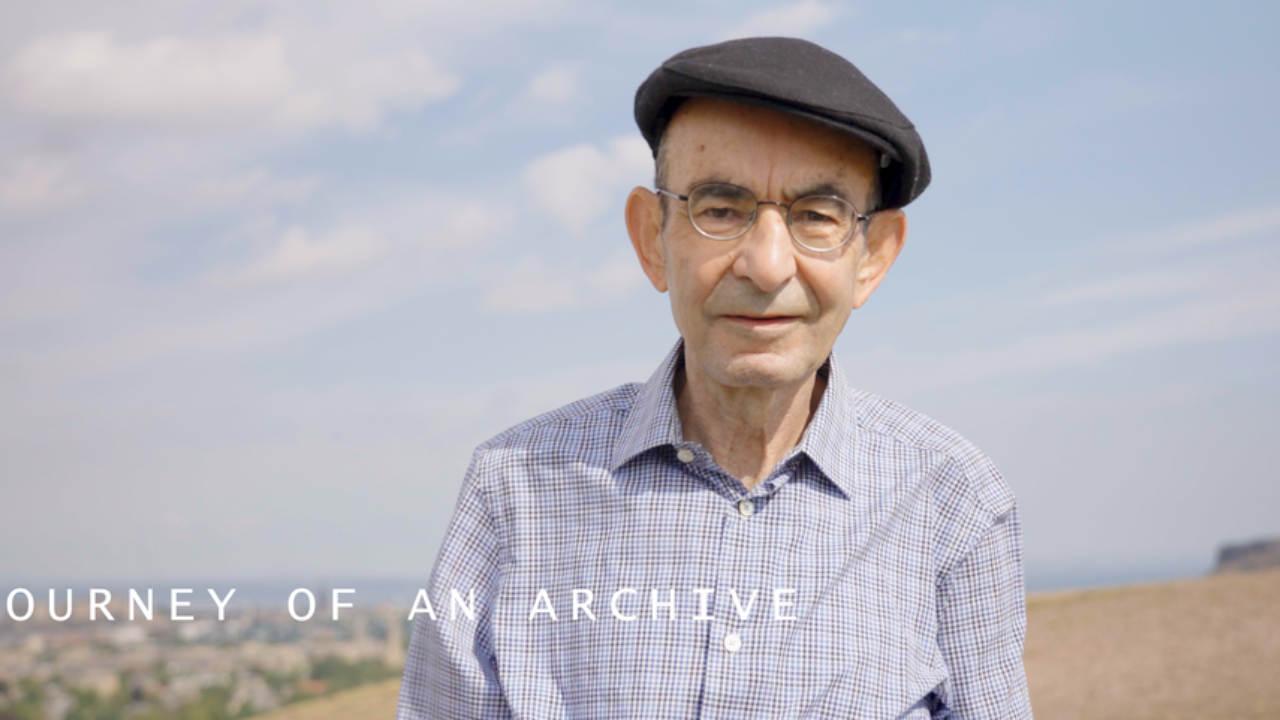
Palestinian author and human rights lawyer Raja Shehadeh’s archive documenting more than six decades of life in Palestine has arrived for safekeeping at two universities in the United Kingdom

As a way of marking #WorldKidLitMonth, we are refreshing this profile of 10 publishers that have a focus on children’s literature in Arabic.
“Music is one of the arts most connected to place, as it is a physical vibration in a space.”
The Book of Damascus, ed. Zaher Omareen, is a new anthology in their “Reading the City” series. Here, editor Zaher Omareen talks with Fifi Bat-hef about selecting ten stories to represent a city as complex and storied as Damascus.