
It’s PUBLICATION DAY for ArabLit Quarterly Spring 2025: GRIEF
Starting today, you can find the Spring 2025 GRIEF issue in our online store (arablit.org/shop/), on Gumroad, and in select bookshops worldwide.

Starting today, you can find the Spring 2025 GRIEF issue in our online store (arablit.org/shop/), on Gumroad, and in select bookshops worldwide.

In the preface to his short-story collection “Don’t Be Born Ugly,” author Ragaa Elish writes of ugliness: “They stand astonished before a phenomenon they can’t understand. It provokes all feelings of hatred in them, all the tragic bitter fruits to which the ugly person falls victim.”

Palestinian poet-translator Batool Abu Akleen took third place in the 2025 London Magazine Poetry Prize for her “Gunpowder.”
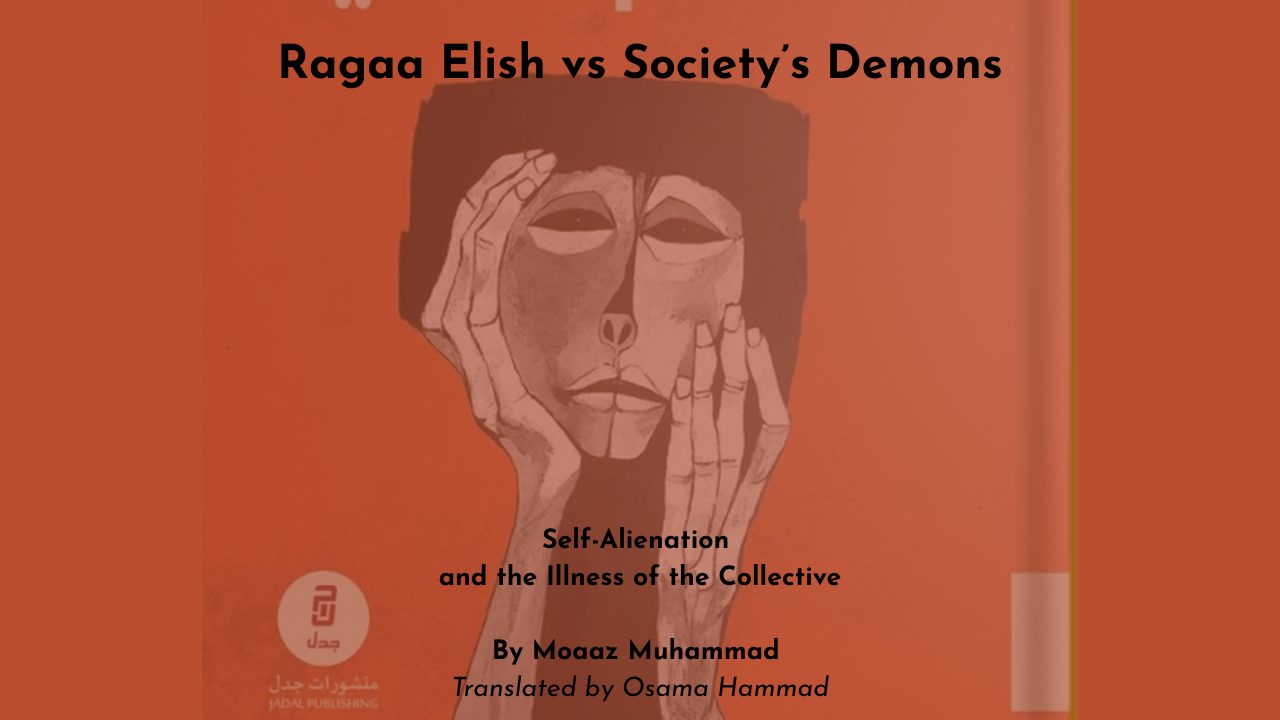
Here, in an essay that originally appeared in Ultrasawt, Moaaz Muhammad explores the literature of legendary Egyptian writer Ragaa Elish, who declared in his short-story collection: Don’t Be Born Ugly.

The Spring 2025 GRIEF issue of ArabLit Quarterly is coming in three days — on April 30, 2025. Today, a poem from the issue in Wiam El-Tamami’s translation.

The new podcast MAKTOOB: Arabic Stories in English is coming soon from Komet Kashakeel. You can find a trailer with more about the six-episode podcast, which covers a diversity of books from across the region, on YouTube and Spotify. Here, co-hosts Lauren Pepperell and Anam Zafar talk about how it came about, highlights from the series, and what we might expect from a season two.
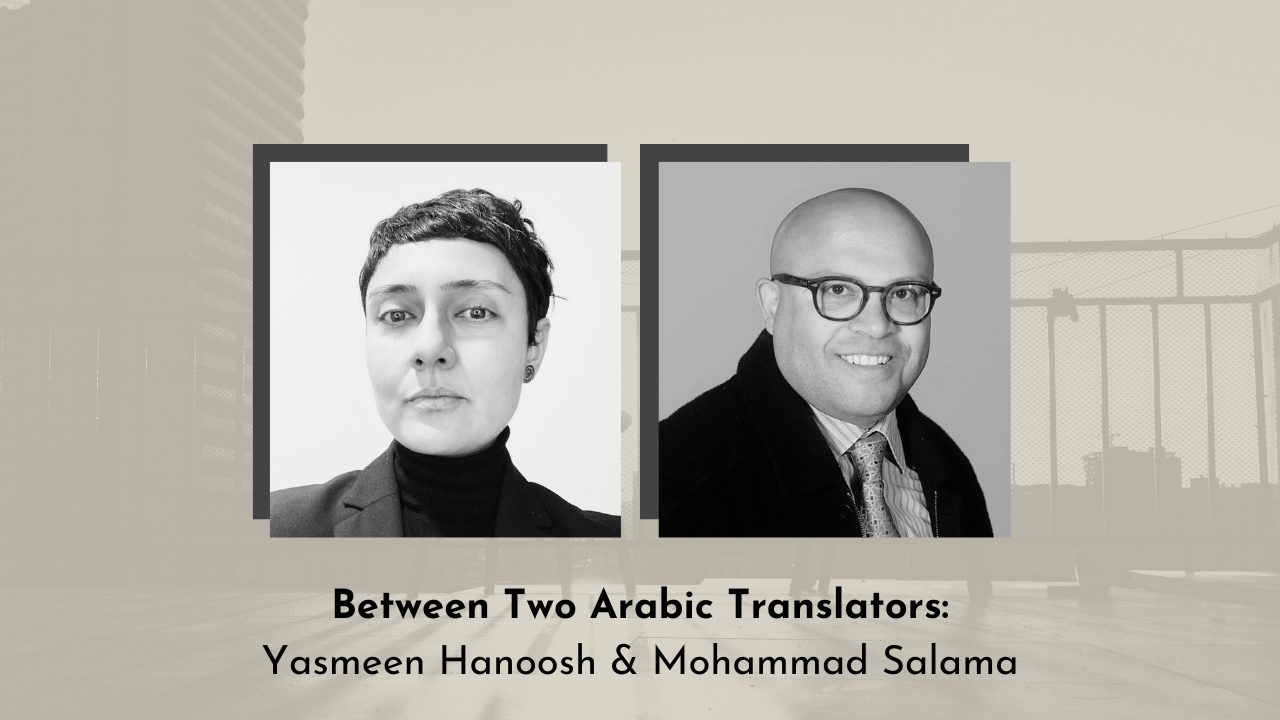
In our second “BETWEEN TWO ARABIC TRANSLATORS” conversation, Yasmeen Hanoosh and Mohammad Salama discuss “how languages—and translations—shape the way we understand the Qur’an, Islam, and the broader cultural world they inhabit,” how translations can mean an ” epistemically violent displacement of the Qur’an from its own terms of meaning,” and what a real decolonization of Euro-American Qur’anic Studies would look like.
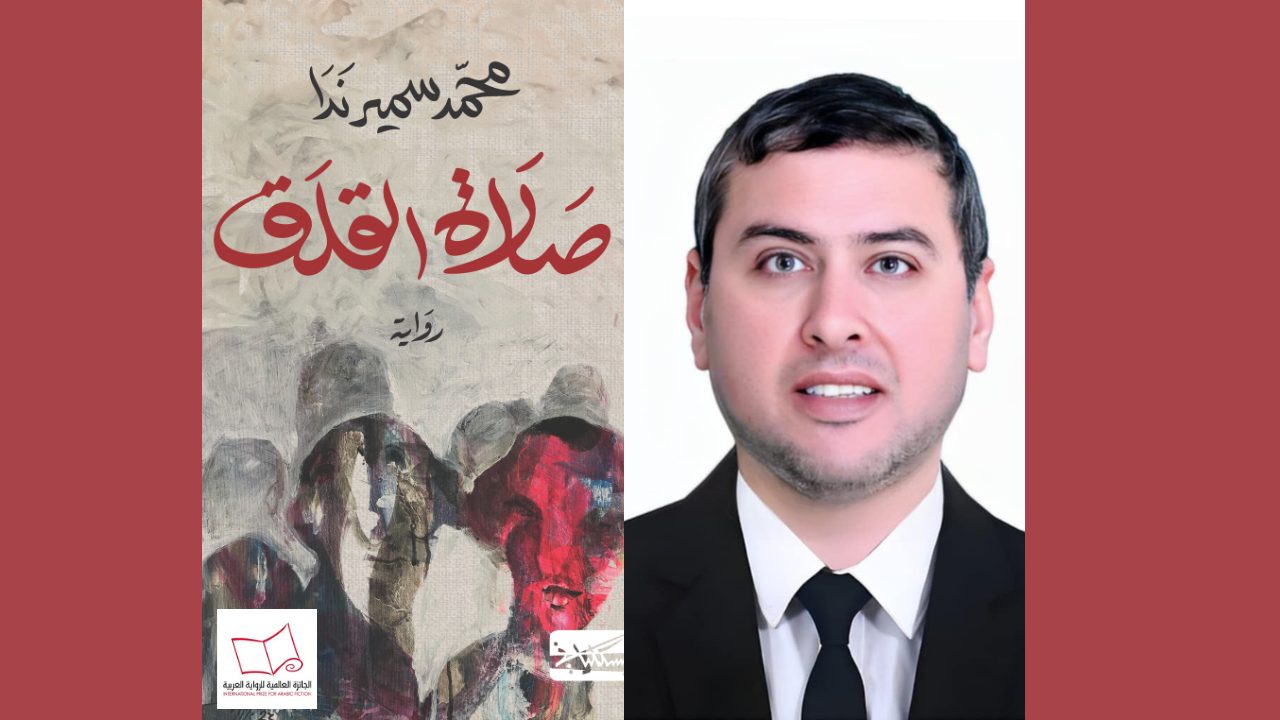
Mohamed Samir Nada’s The Prayer of Anxiety has won the 2025 International Prize for Arabic Fiction (IPAF).
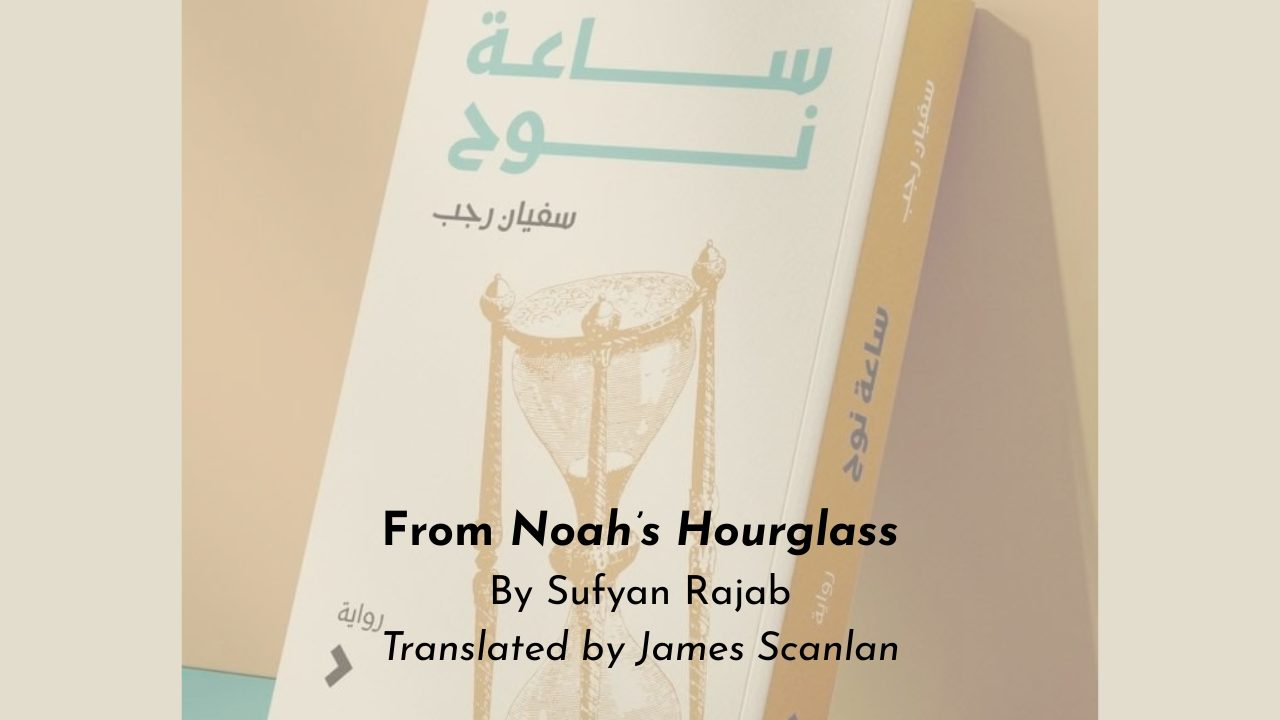
Sufyan Rajab’s Noah’s Hourglass is no ordinary East-West love affair. The fun, sharply observed novel moves between two voices—the Tunisian Belkacem and the Ukrianian Olga—as they each try to find safe harbor in an unsafe world. An excerpt in James Scanlan’s sharp translation.