‘Writing in Gaza’: by Yousef el-Qedra
Yousef el-Qedra is a poet and playwright in Gaza; you can read more of his work in translation in Hayden’s Ferry, Asymptote, The Dreaming Machine, Springhouse, Raseef22, and elsewhere. Writing […]
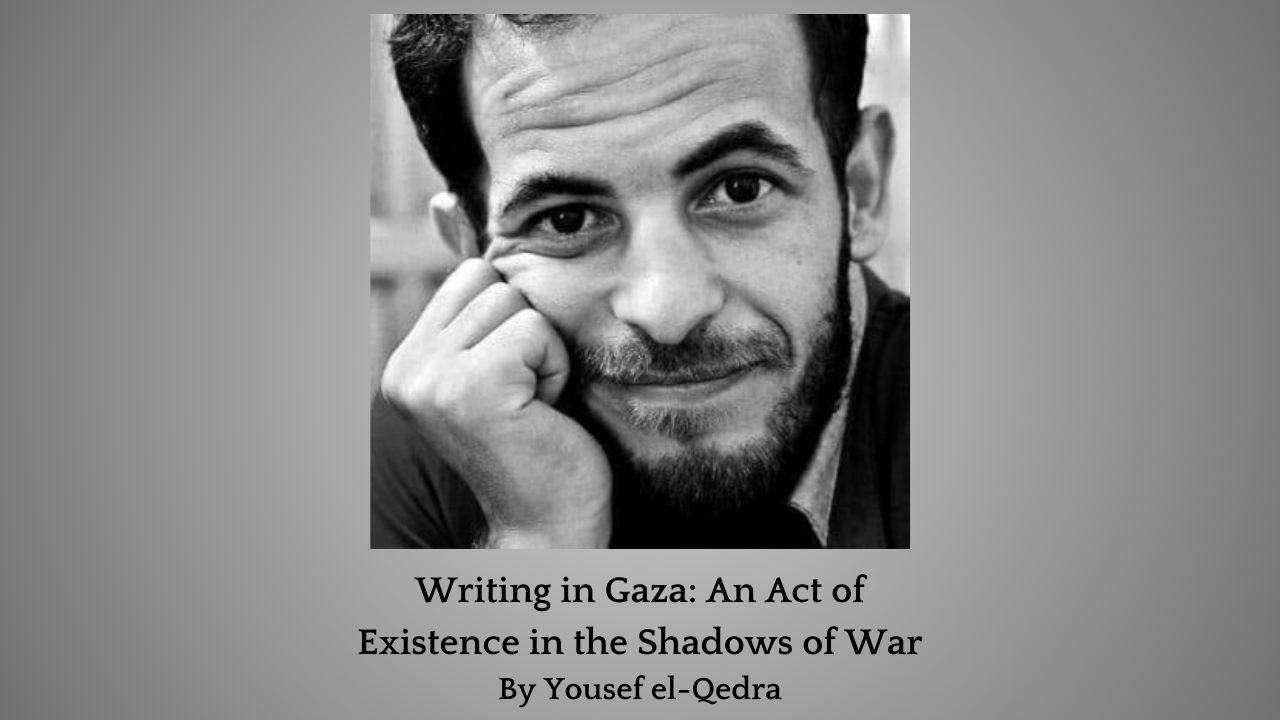
Yousef el-Qedra is a poet and playwright in Gaza; you can read more of his work in translation in Hayden’s Ferry, Asymptote, The Dreaming Machine, Springhouse, Raseef22, and elsewhere. Writing […]
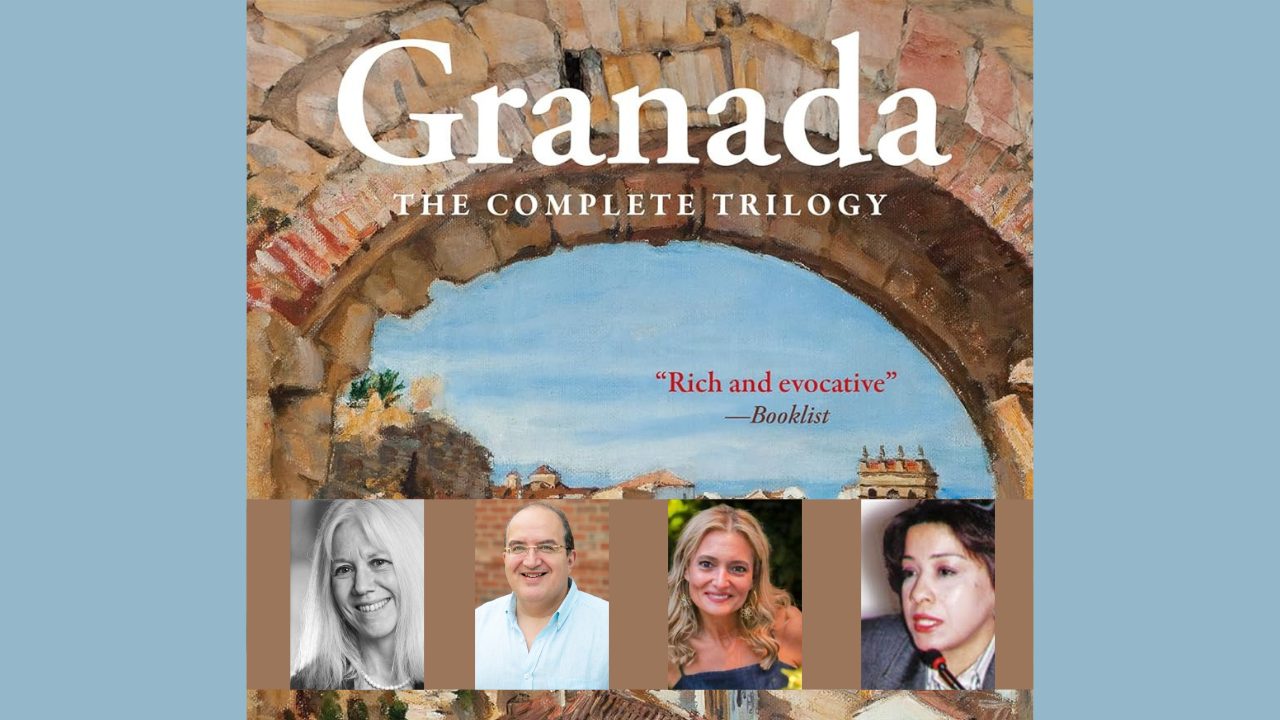
Ten years after the death of the great Radwa Ashour (1946-2014), AUC Press has finally published Ashour’s complete Granada trilogy — her best-known work — in English translation. Published in […]
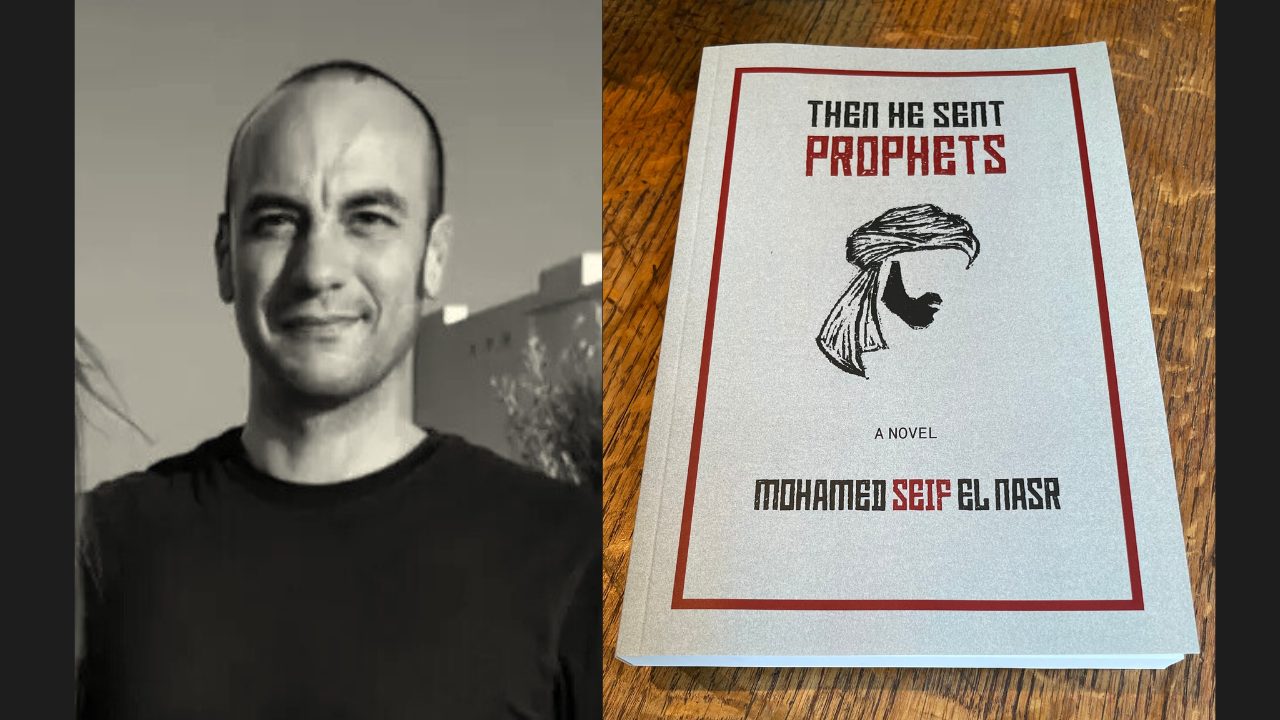
OCTOBER 15, 2024 — Mohamed Seif El Nasr’s debut novel, Then He Sent Prophets, is out today from Daraja Press. This striking novel, set between fourteenth-century Morocco and Spain, follows […]
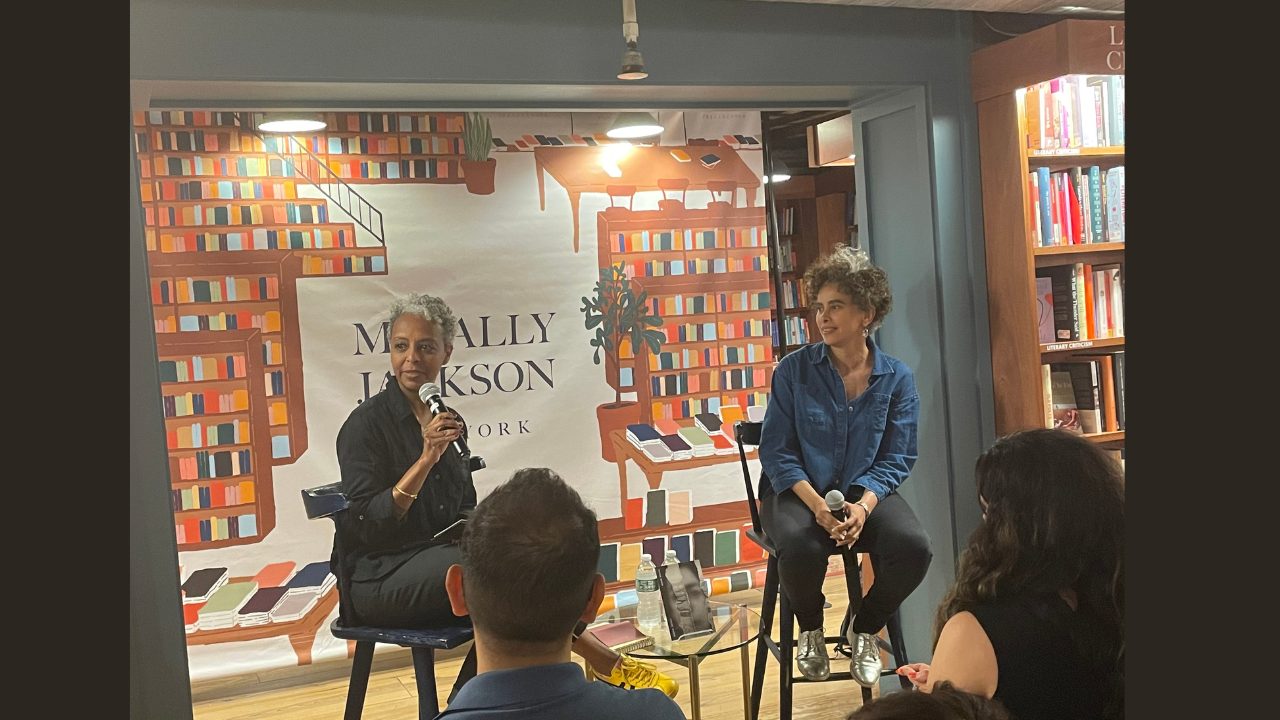
By Alex Tan On 12 September 2024, the Palestinian writer Adania Shibli was in New York City to speak about her novel Minor Detail in conversation with Ethiopian-American writer Maaza […]

By Salih J Altoma “And in Gaza and the West Bank, a new generation of poets persists. The most famous, of course, is Refaat Alareer, who was murdered by an Israeli […]
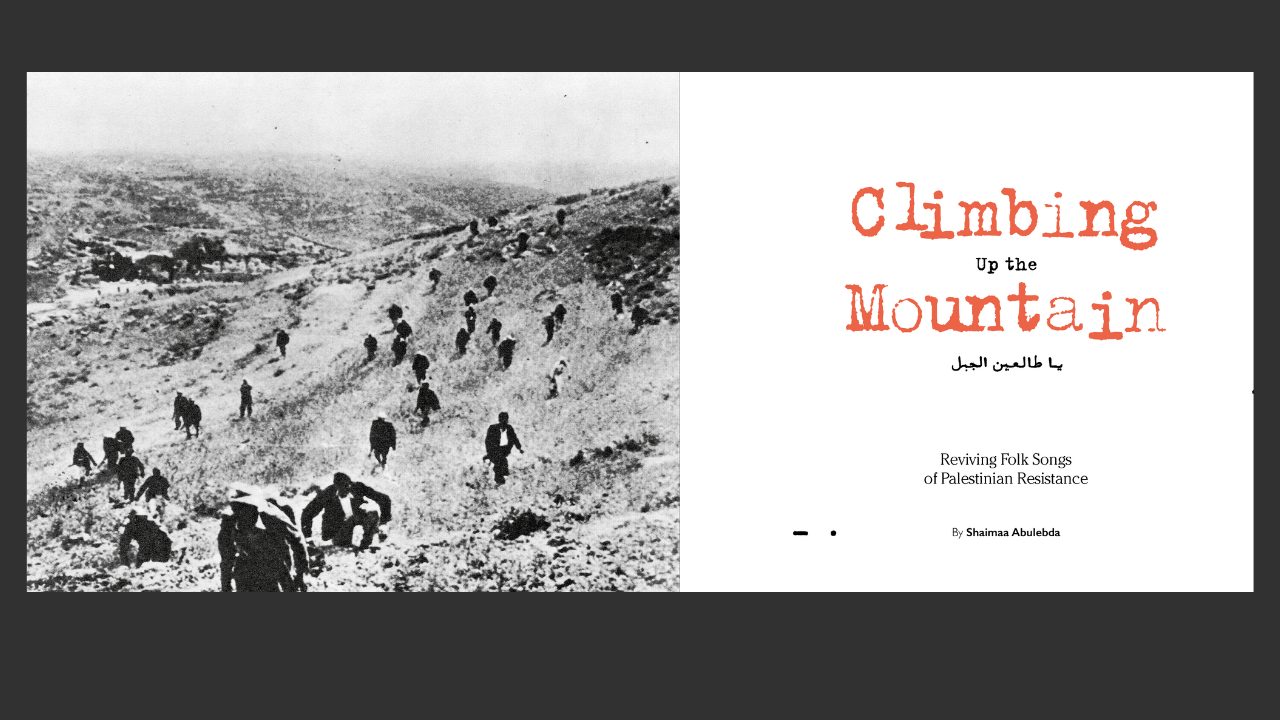
This piece appeared in our Spring 2021 SONG issue. By Shaimaa Abulebda It was last year when a short video posted to Palestinian singer-songwriter Terez Sliman’s Facebook page went viral. […]

This poem originally appeared in an-Nahar on October 25. * It No Longer Matters If Anyone Loves Us By Samer Abu Hawwash Translated by Huda Fakhreddine It no longer matters if anyone loves […]
“My book really is an examination of how he participated in the coup ,and how he believed fundamentally that the Free Officers were going to install democracy, and—once he realized that they were actually installing military dictatorship—the way he dissented, in the editorials and in person, the way that he was jailed, and the way he turned to fiction to express his dissent directly to Nasser.”
” Jaziri wrote poetry with one set of alphabets which at that time were used in four languages: Kurdish, Ottoman Turkish, Persian, and Arabic. Sometimes, he used the four languages in one couplet. His poems are still recited and sung by Kurds. That coexistence of languages was quite natural, the alluring music was convincing, although I sometimes understood almost nothing.”