‘All Our Translations Are Prose Poems’: A Talk with Huda Fakhreddine
“I think poetry transcends time. A genuinely poetic approach to the study of poetry is one that breaks itself from historicism.”
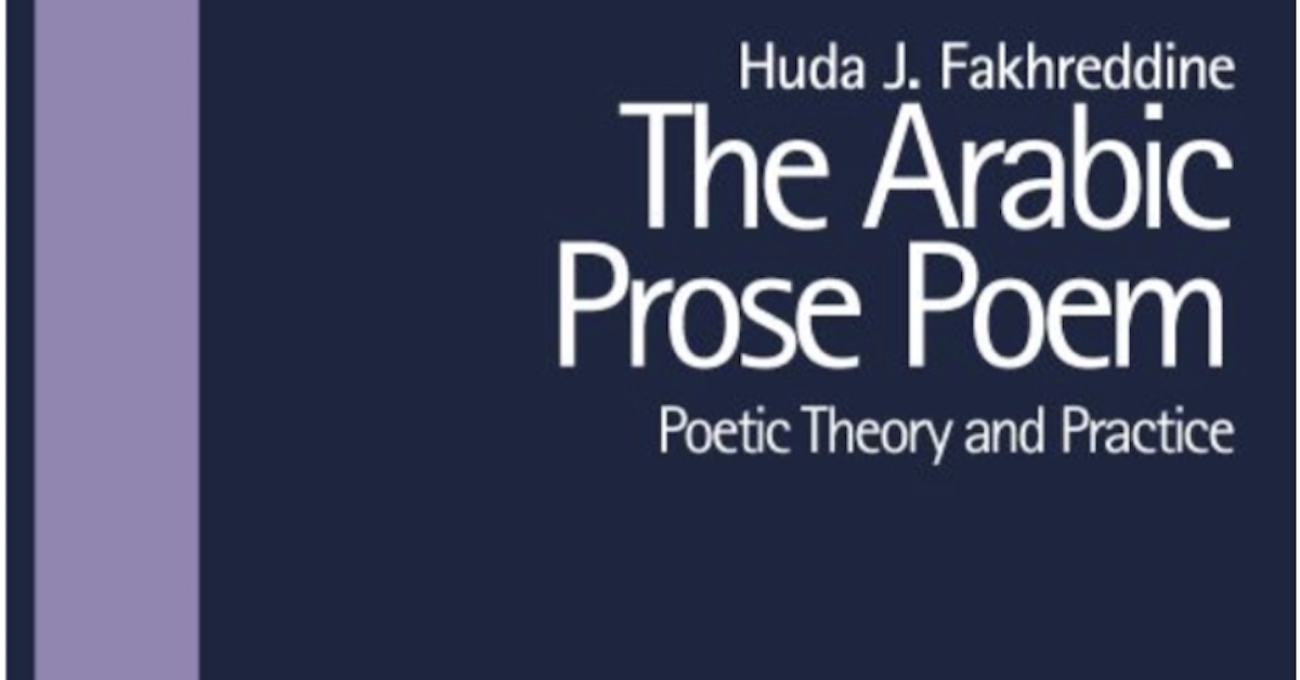
“I think poetry transcends time. A genuinely poetic approach to the study of poetry is one that breaks itself from historicism.”
“A Portrait of the Void is a novel to be expected on Arabic prize lists next year. Meantime, Alfagih answers a few questions about what brought him to writing this novel, the surprises from his research, and who should play Fibonacci in the film.”
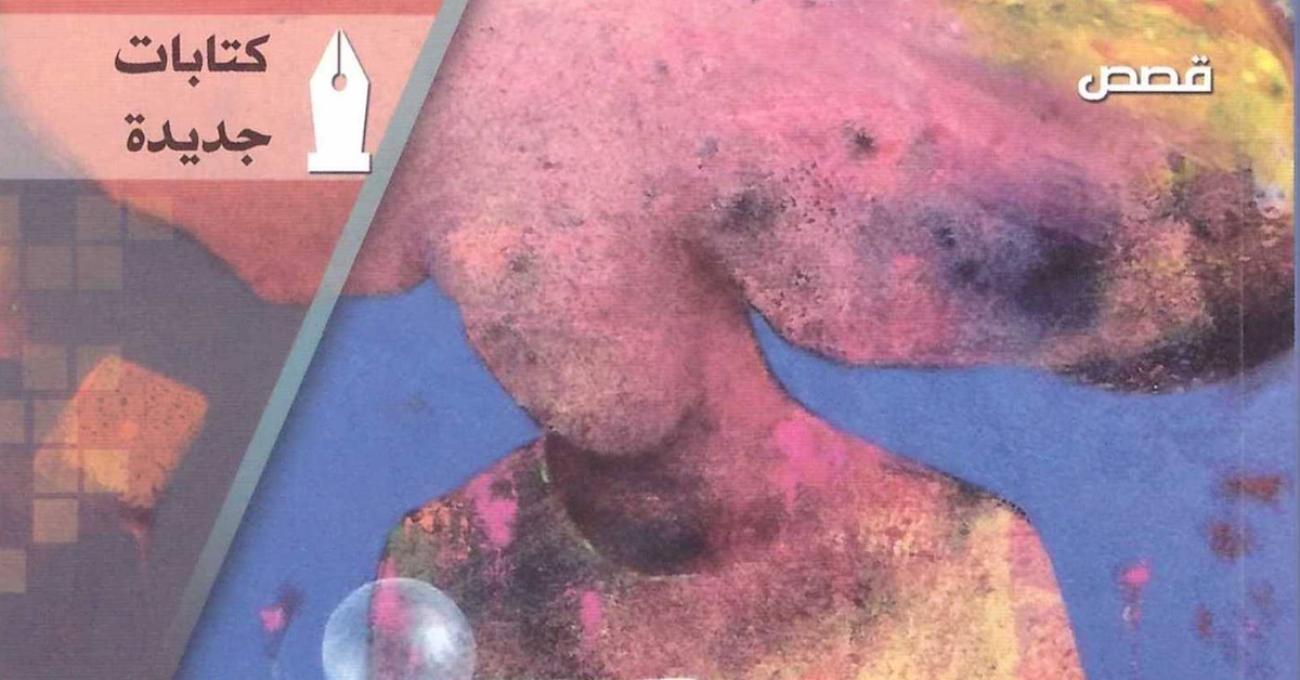
“Nobody has the power to impose a limit on the madness of dreams and their ideas, and consequently nobody can judge you for that.”
” This novel was the most emotional for me to translate, as it also marked the end of a comfortable childhood for me and my siblings, and the beginning of a life in exile.”
“The arselongness of the text made me think about how the traceurs keep plunging forwards all the time, almost like just past their tipping point, foolhardily hopping over things, dashing and ploughing into walls. Parkour is also often practised in urban places that smell of piss and fast-food and where you need to watch out you don’t step on broken glass or used condoms.”
“Too frequently, I think, translators give in to the idea that a foreign text needs to retain a lot of that foreignness—this is Venuti’s foreignizing versus domesticating debate.”
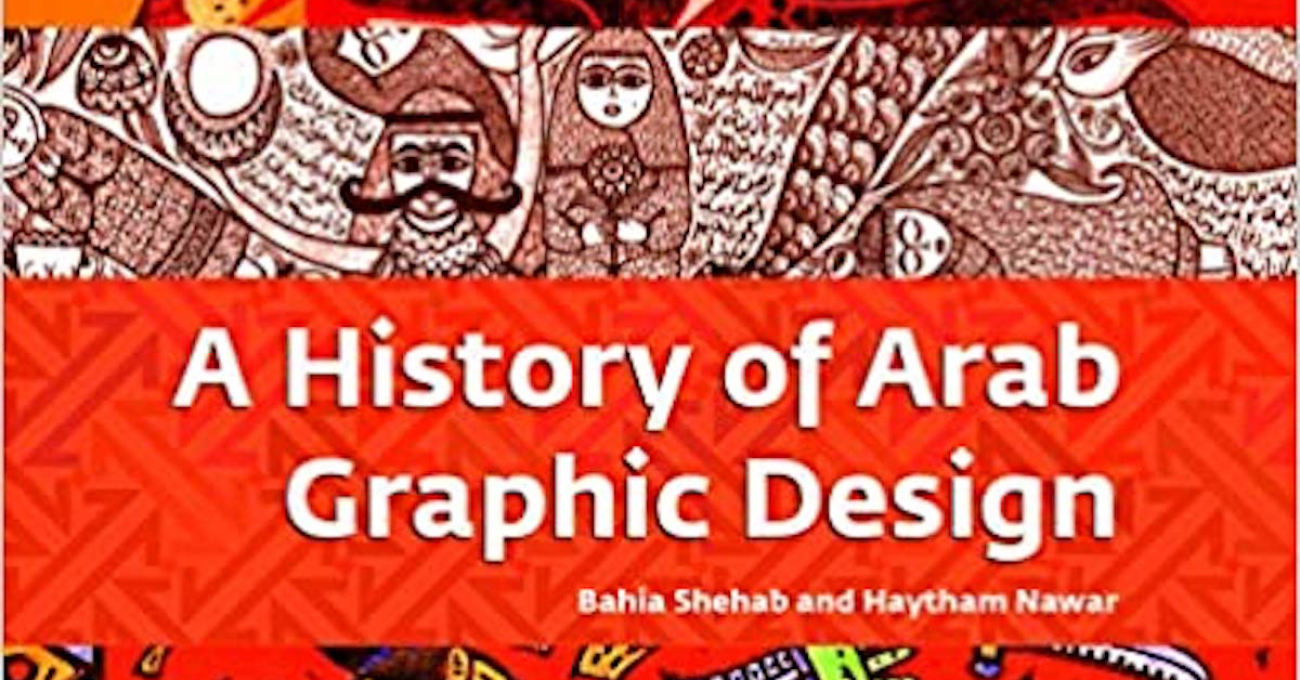
“So the fact that I couldn’t find enough women was, to me, exciting for the researcher, because now I want to find them. The Women of Arab Graphic Design should be coming out next.”

“Like I say, it’s fleeting, but I could write a whole memoir, I think, just about getting that sentence translated.”

“Something that I was aware of growing up in Syria, but more now that I’m in Lebanon, is that classical Arabic literature is associated with many things, but it’s not associated with being a space for creative and experimental thinking. So I think the main idea for both of us with this is experimental.”