
Hazem Jamjoum on Writing for Communities of Struggle
This conversation took place in early July. In it, Hazem Jamjoum discusses his plans and visions for the newly launched publishing house, Safarjal.

This conversation took place in early July. In it, Hazem Jamjoum discusses his plans and visions for the newly launched publishing house, Safarjal.
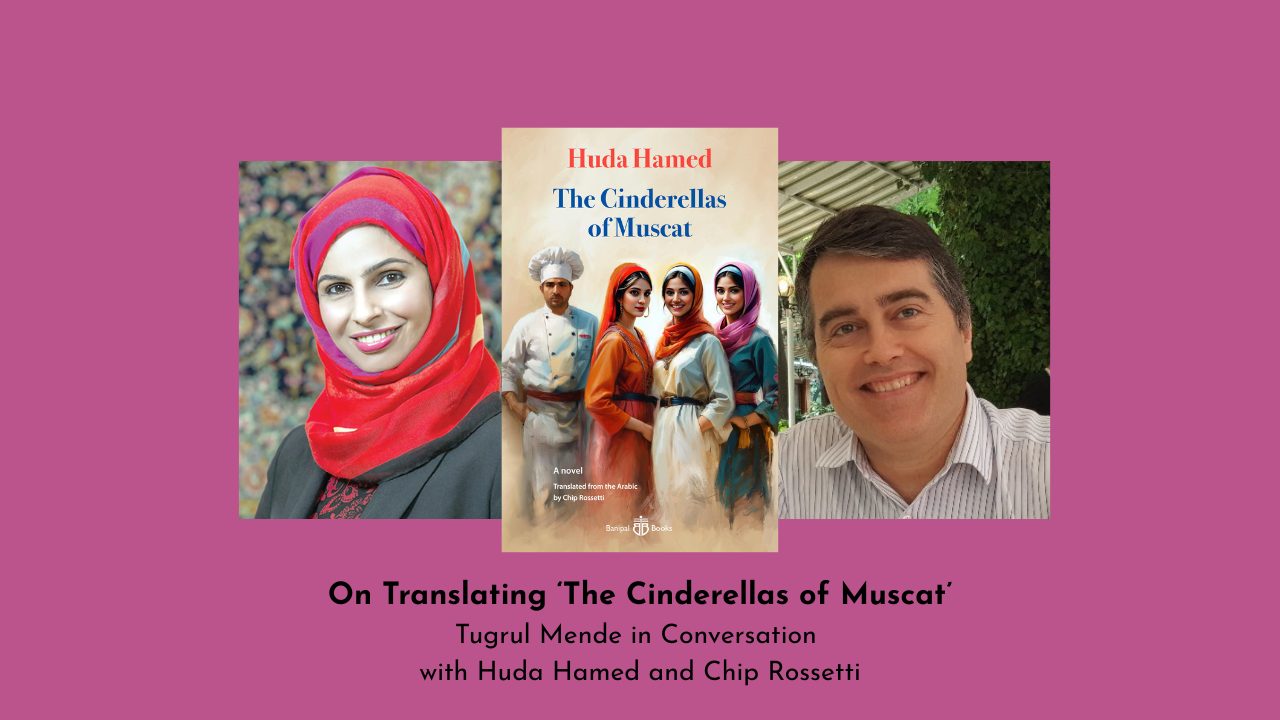
This summer, Banipal Books published Huda Hamed’s The Cinderellas of Muscat, translated by Chip Rossetti. Here, Tugrul, Huda, and Chip talk through the Cinderella figure, the translation process, and the relationship between the author and translator. Huda Hamed’s answers were translated by Chip Rossetti.
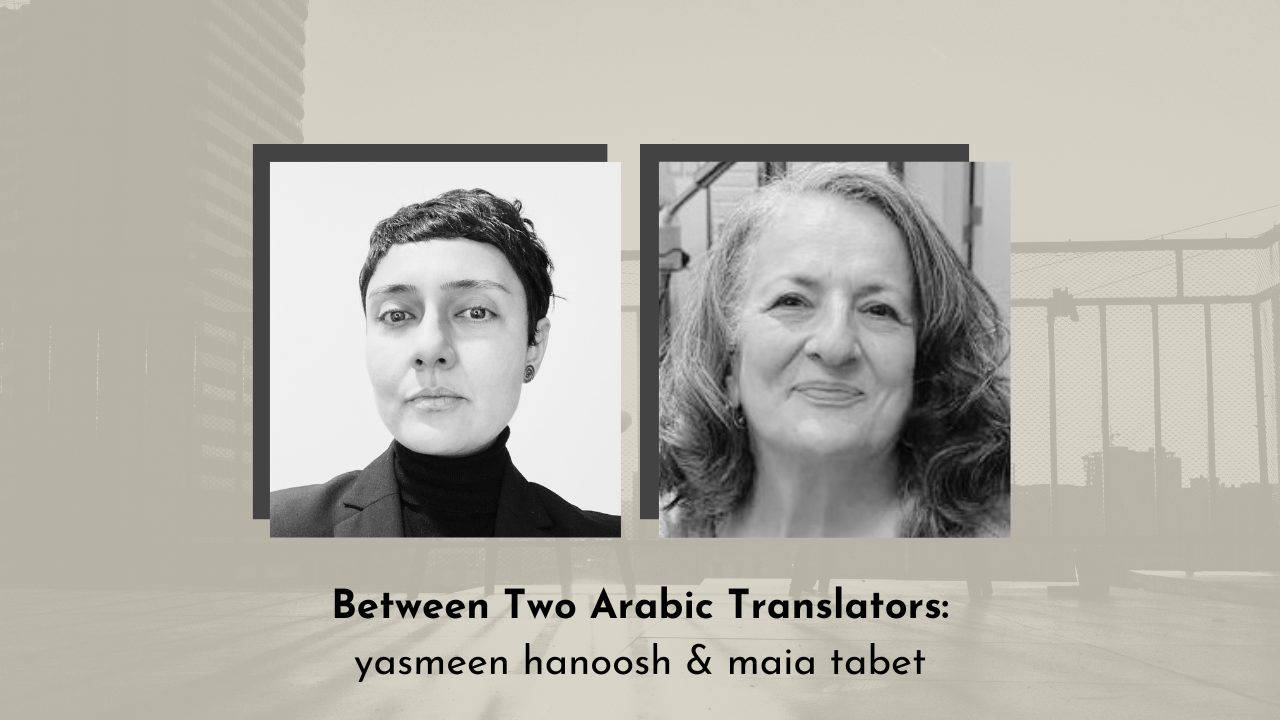
maia tabet and yasmeen hanoosh are both Arabic-English literary translators who have spent decades living and translating from multiple diasporic locales. In this conversation, they retrace the trajectories of their experience as translators, uprooted Arab women, and bilingual diasporic subjects to identify intersections and divergences along their paths.

Here, we discuss the landscape of Palestinian literature in Lithuania with Giedrė Steikūnaitė, Ina Kiseliova-El Marassy, and Ingrida Tatolytė.

In the latest episode of BULAQ, co-hosts M Lynx Qualey and Ursula Lindsey talk with translator-scholar Jonas Elbousty about the great Mohamed Choukri.

In his new book “Syrian Poets and Vernacular Modernity,” Daniel Behar looks at a poetic movement that rose from under official state discourse in 1970s Syria. The text examines unknown poetic texts from Syria from the 1970s onward. In this conversation, Behar looks back on the work of his new book and how Monzer al-Masri gradually became its protagonist.
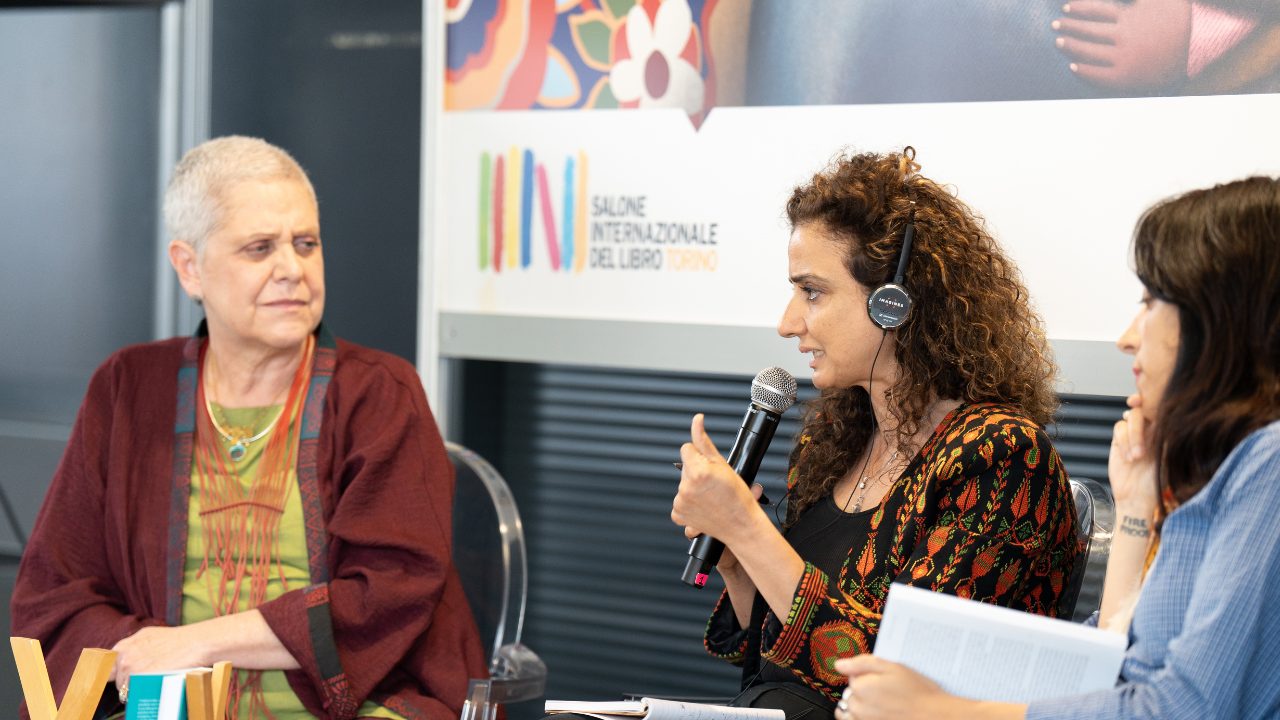
“When I write fiction I’m more playful, I go back to being a child, where there are no borders or limits. I try not to think of my readers. Despite the difficult subjects, there is joy.”

Fatima El-Kalay and Mai Serhan talk about Mai’s new collection, CAIRO: the undelivered letters.
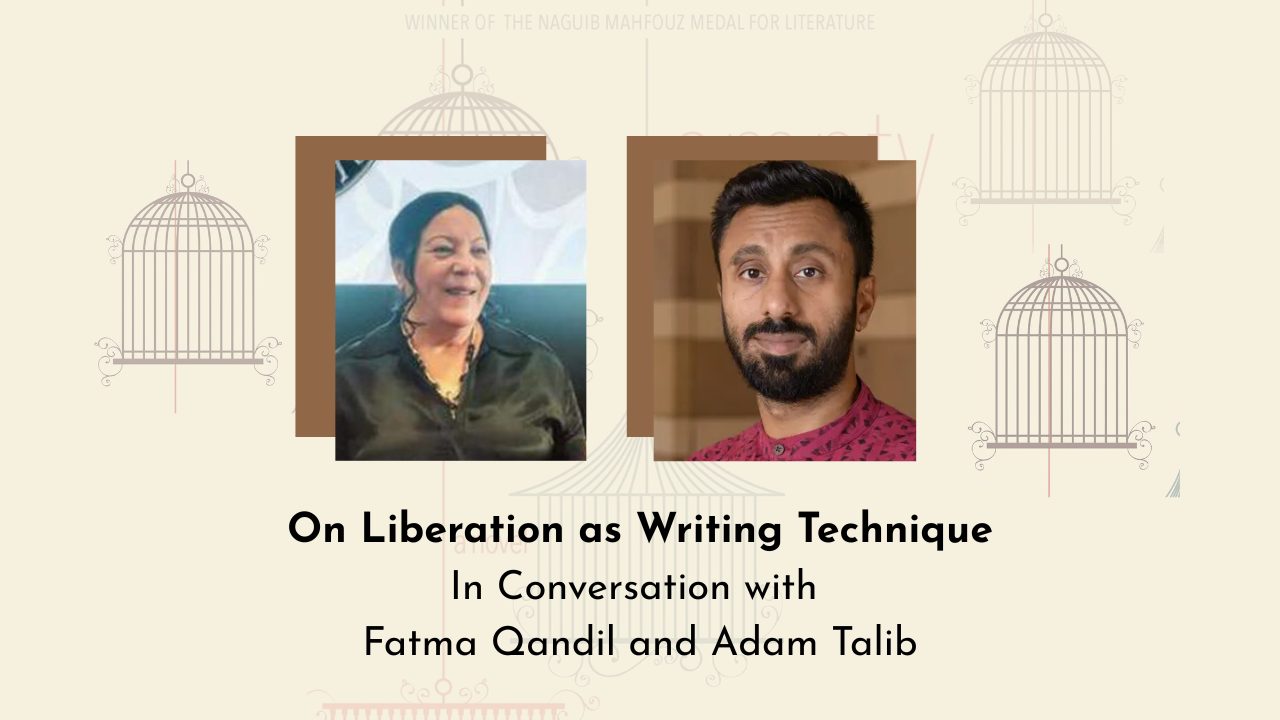
Today, we share Fatma Qandil and Adam Talib’s wide-ranging discussion with Tugrul Mende, which touches on: the method behind Qandil’s writing, standing on the shoulders of other women writers, why this book was a challenge to translate, and the joy of being read by a younger generation.