
Four Jinn Tales to Accompany Our FOLK Issue
We asked, on Twitter, for readers to share stories about their local jinn to pair with our FOLK issue, released earlier this month.
We asked, on Twitter, for readers to share stories about their local jinn to pair with our FOLK issue, released earlier this month.
“Almost 15 years ago, my ex-wife’s father told me that he used his connections in the security services to find out how dangerous my political activity was, and they told him that my political classification in their files was: sympathetic to communists.”
“That is how this man, along with Taha Hussein—both of whom were legendary figures who dominated our intellectual and spiritual life—transformed into a mighty monster, one whose only virtue was to degrade me.”
“His illusions, his distant dreams, and his winged fantasies seemed to flutter quietly with emotion and land on his poems, leaving their enchanting colorful feathers on them.”
“I remember now Badr Shakir al-Sayyab – I see him in our house, with a group of friends, sitting on small straw chairs, sharing a table, or improvising a seat on the floor.”
“A study of Coptic school sandwiches – or how to get your mother to make you the best chicken sandwich in the world.”
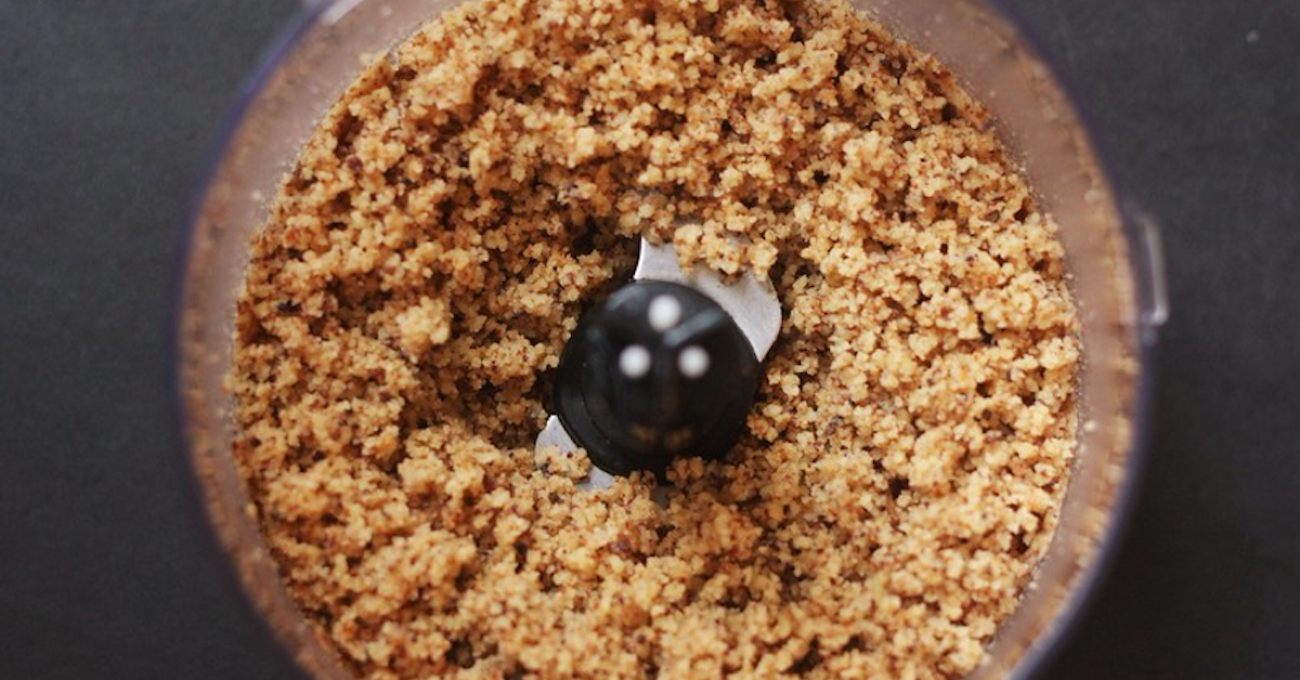
In honor of the “Kitchen” issue of ArabLit Quarterly, a re-run from 2016, about the history of sharkasiyya, a dish important in Mahfouz’s Palace Walk. This piece also ran on kitchening […]
But there’s also much more of Mersal’s work to explore online.
“Isn’t our notion of the classic influenced by the other? Doesn’t the standing of Arabic literature rely upon foreign literature?”