The Poetry of Sudanese Band Iged al-Jalad: ‘Offering the Starving a Bite’
“When it turns to a blaze, / Nura turns to a breeze; / making the rounds, / offering the starving a bite, / the thirsty a sip[.]”
“When it turns to a blaze, / Nura turns to a breeze; / making the rounds, / offering the starving a bite, / the thirsty a sip[.]”
“The novel begins across a rural context, in a small impoverished village full of mystery, rituals, and superstition, and it ends in a jam-packed city with all its complications.”

ArabLit Editor Nadia Ghanem surveys the twentieth- and twenty-first century Moroccan literature available in English.

“Sa’ad’s death was thus complete and perfect.”
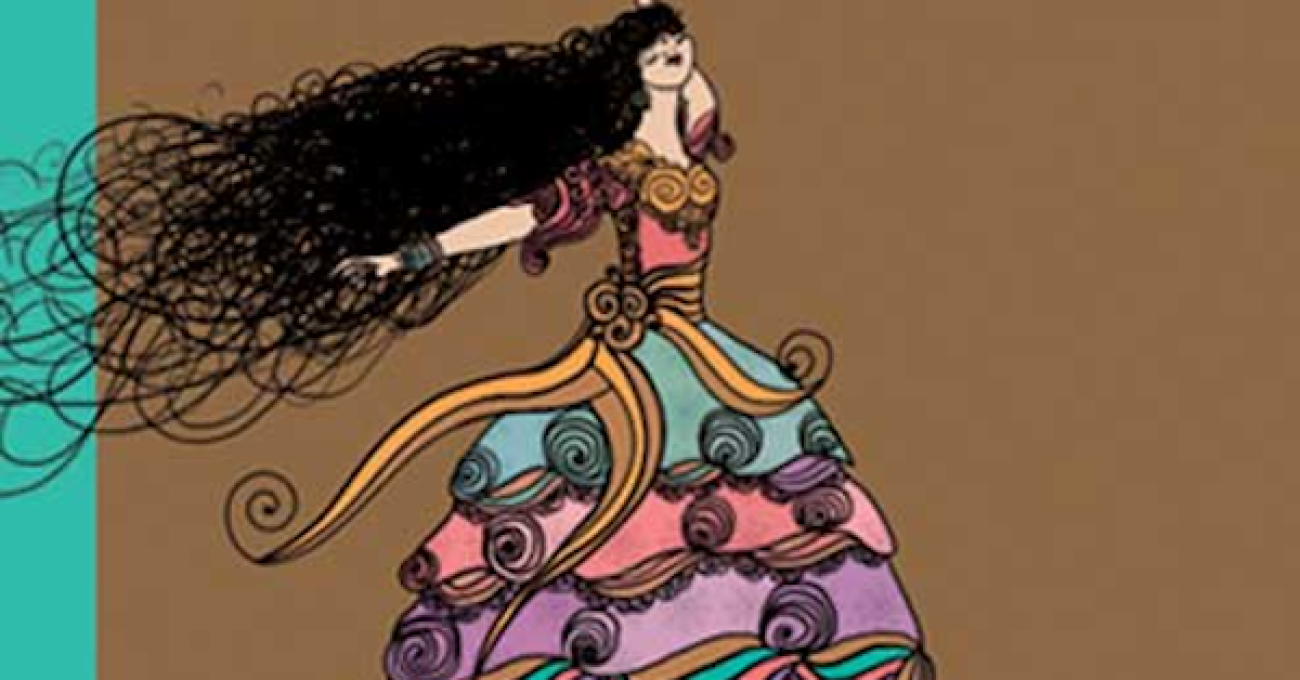
“Dalimen Editions really want to widen comic books’ readership. We want to strip away this image of comix as books for children. We have albums aimed at young readers, of course, but we have others for adults because comic books speak to everyone and are accessible to all.”
Khair’s shows make the slow-paced town and the dilapidated, decayed and history-laden theatre building pulse with energy and life, pumping lifeblood into the underfunded and cash-starved local performance arts.
For that reason, Wardi’s words have been at the forefront of the current Sudanese revolution. He’s recalled as a strong example of a great artist who proved strong and steadfast in opinions, words, and actions. His revolutionary-themed pieces, which document crucial chapters of Sudanese history, have been used as rallies’ chants and played on the sit-in site loudspeakers.
In addition to being “mad,” she was also very clever, and could compose rhyming poetry off the top of her head. She was also a tragic figure in that her mental illness set in after the death of many members of her family during the war, and she was forced to raise her four children on her own.
They seem to identify with the enlightening and inspirational poems to such a degree that these poems keep resonating down generations, stirring up the bittersweet, bringing them to their feet and to tears.