‘The Desert Also Keened’
Ibrahim al-Koni’s “The Desert Also Keened” was the winner of the 2023 ArabLit Story Prize in Dima El Mouallem’s translation.

Ibrahim al-Koni’s “The Desert Also Keened” was the winner of the 2023 ArabLit Story Prize in Dima El Mouallem’s translation.

Today, Kawthar al-Jahmi talks about her writing and reading journeys, the role of literary prizes, submitting her novel to the publisher a day before giving birth, and developing a writing practice while working and raising children.
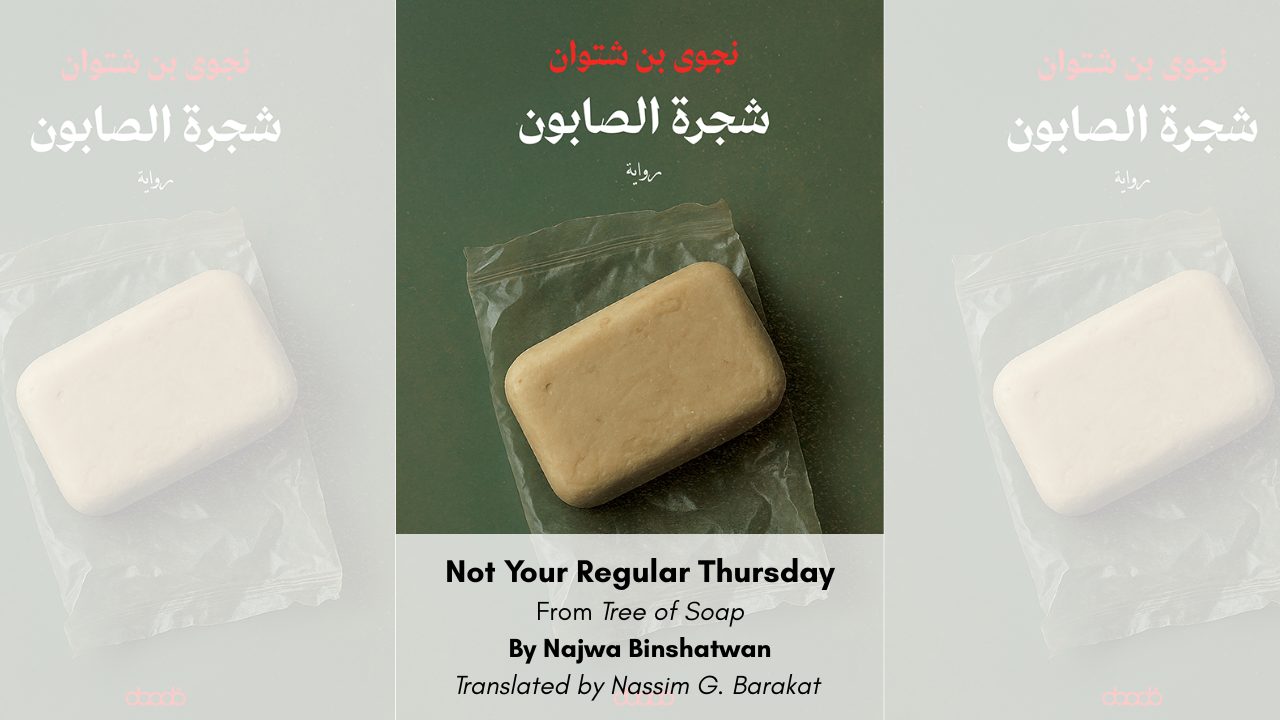
Libyan writer Najwa Binshatwan’s latest novel, شجرة الصابون (Tree of Soap, Dar Arab 2026) unfolds with her signature sarcastic-surrealism. In this world, the State encourages citizens to express themselves, ensures their participation, and provides them everything necessary to practice democracy. Nothing is forced, exactly; it’s just that absence is unwelcome and silence requires explanation.
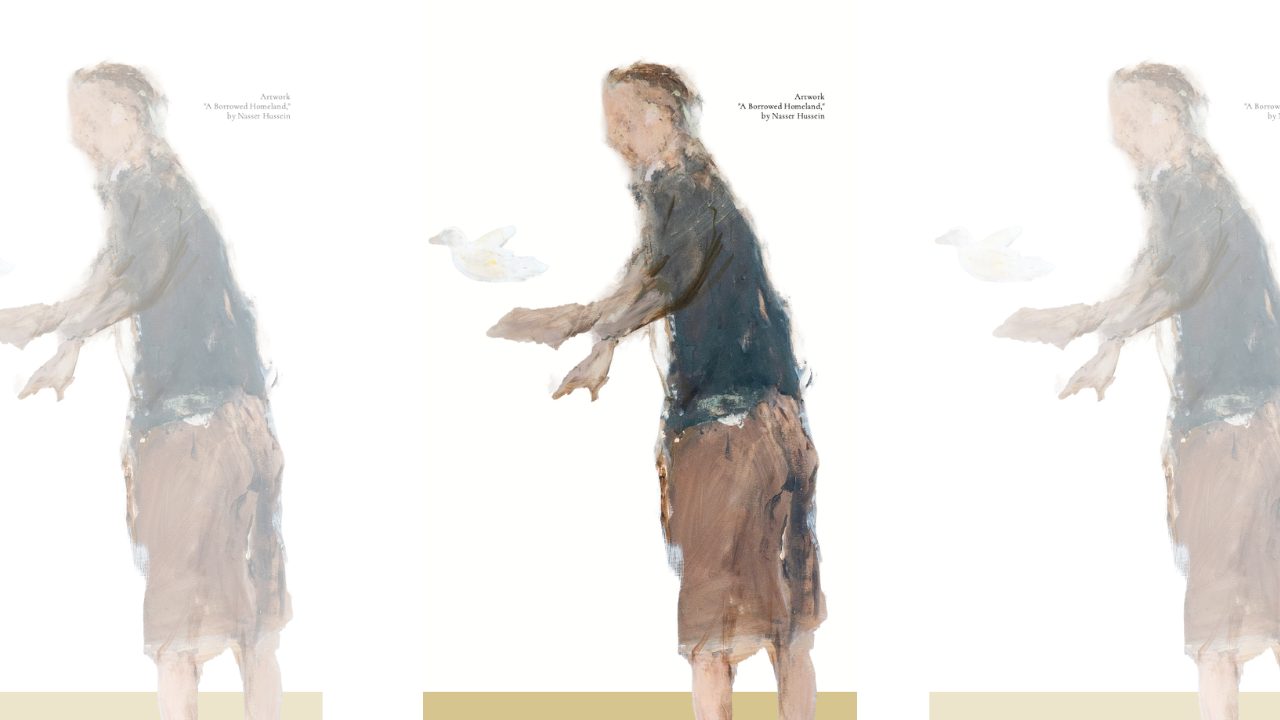
“It is the free bird.”

At this point in ‘The Country Doctor’s Tale,’ the titular country doctor is returning from a house call when he suddenly discovers political posters everywhere, even on the walls of the clinic.

“The city wakes up in obituaries.”
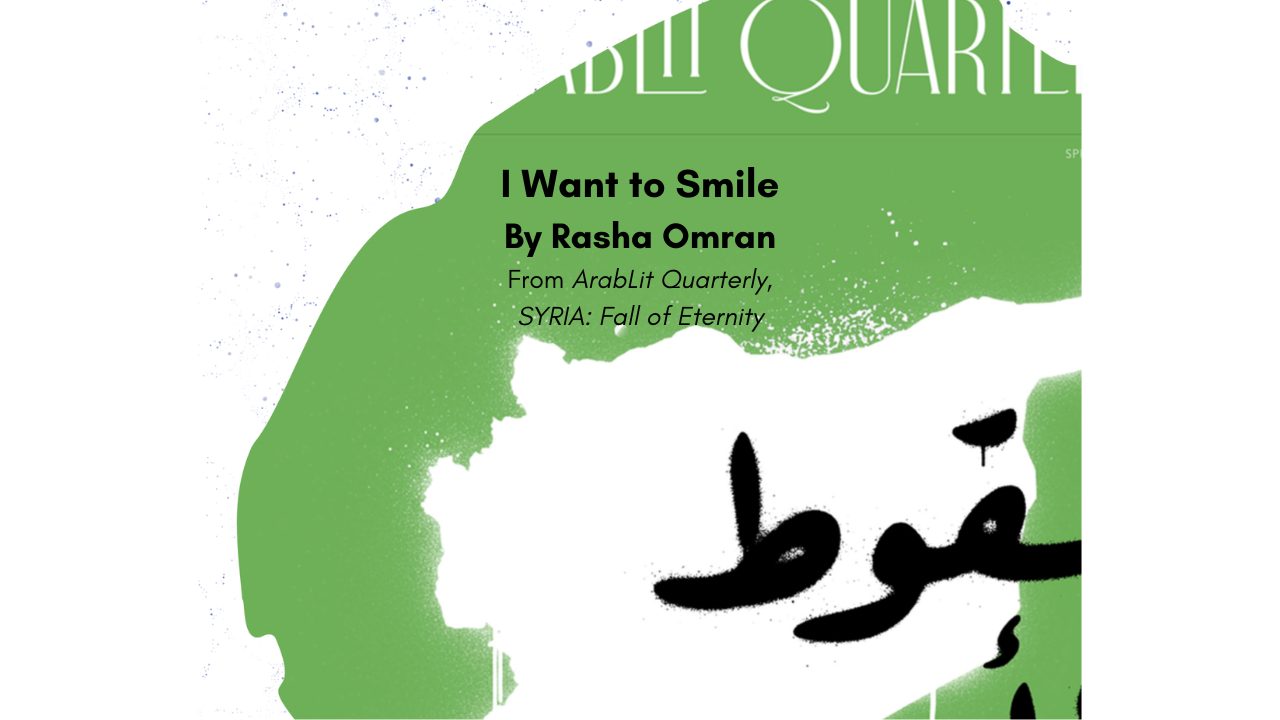
“I want to step out on my balcony and hang my laughter out on the clothesline, so that passersby can catch hold of it, scale the wall to the fourth floor, and laugh with me.”
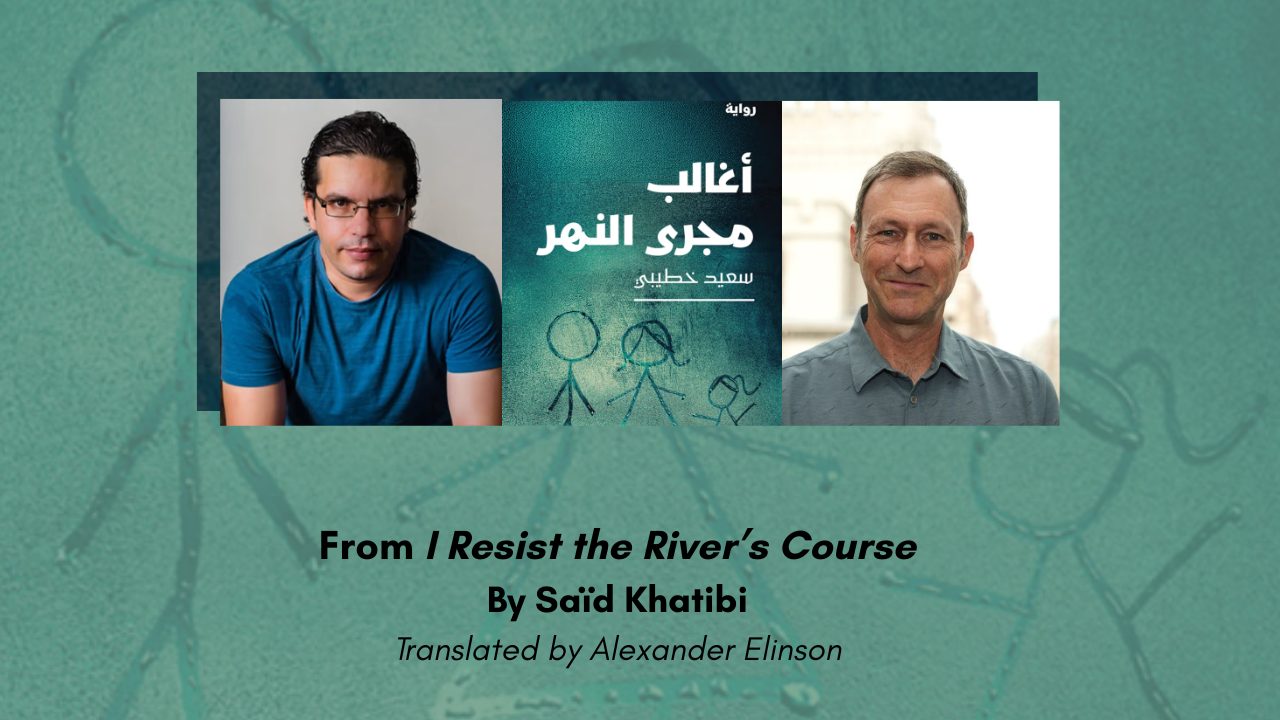
Saïd Khatibi’s I Resist the River’s Course — on the shortlist for the 2026 International Prize for Arabic Fiction (IPAF), with a winner set to be announced online April 9 — chronicles half a century of Algerian history, from the Second World War to the early 1990s.
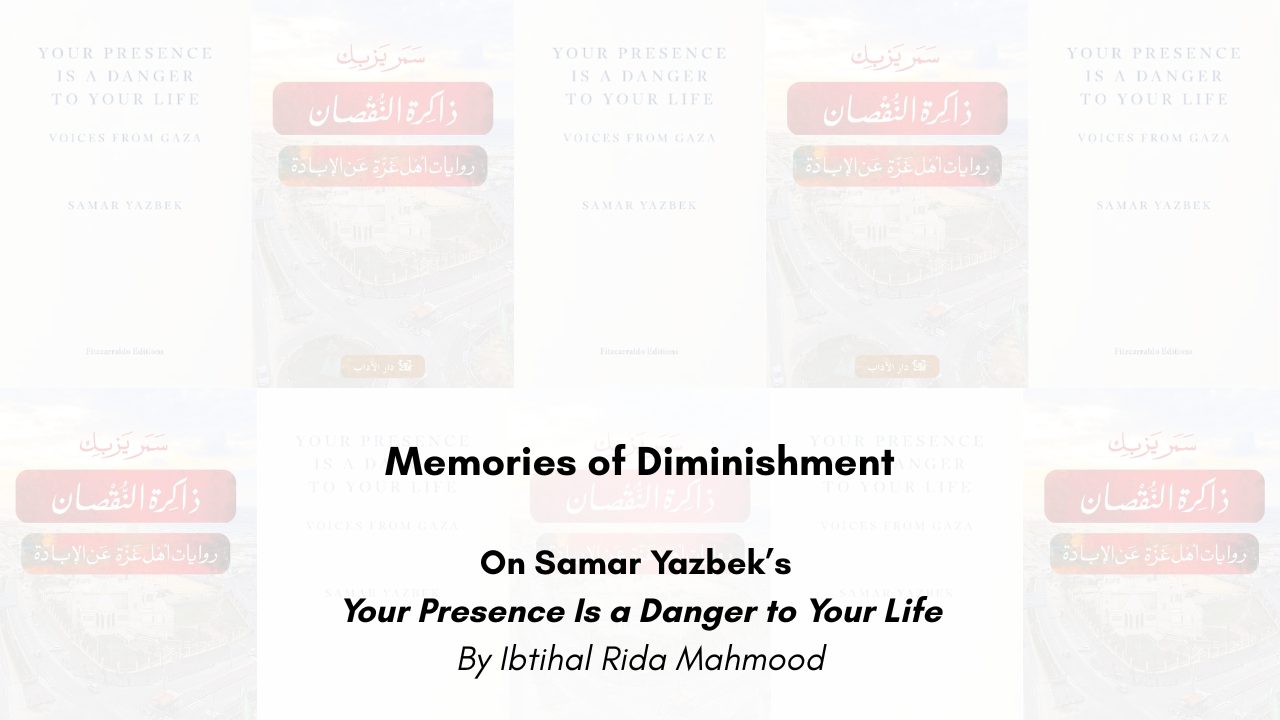
On a review that nearly didn’t happen.