
Rasha Omran: ‘I Want to Smile’
“I want to step out on my balcony and hang my laughter out on the clothesline, so that passersby can catch hold of it, scale the wall to the fourth floor, and laugh with me.”
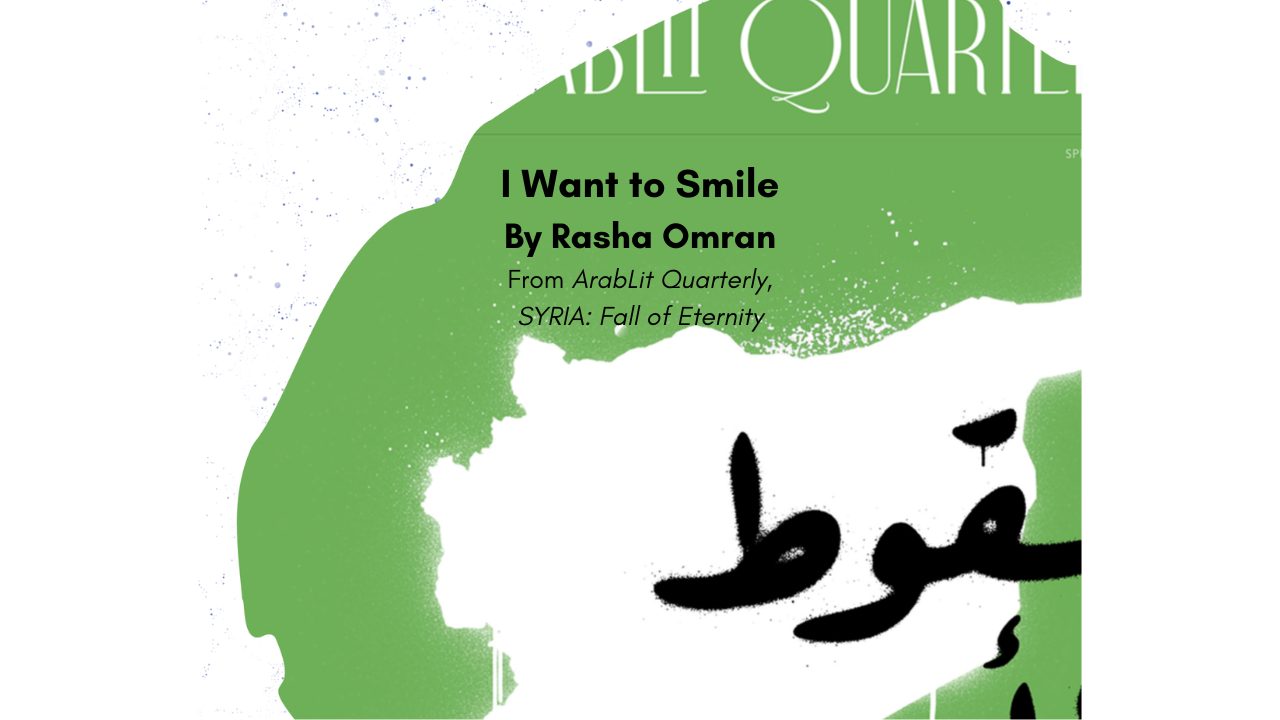
“I want to step out on my balcony and hang my laughter out on the clothesline, so that passersby can catch hold of it, scale the wall to the fourth floor, and laugh with me.”
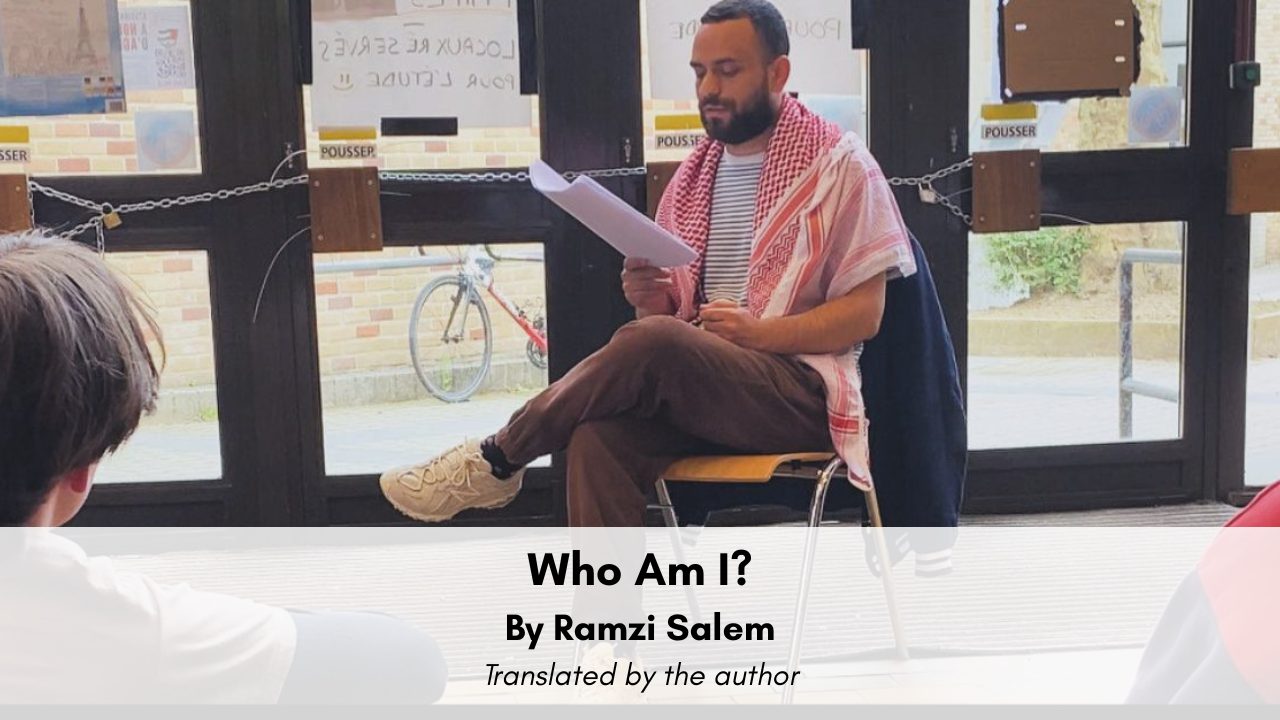
“Who am I? / I am not myself.”
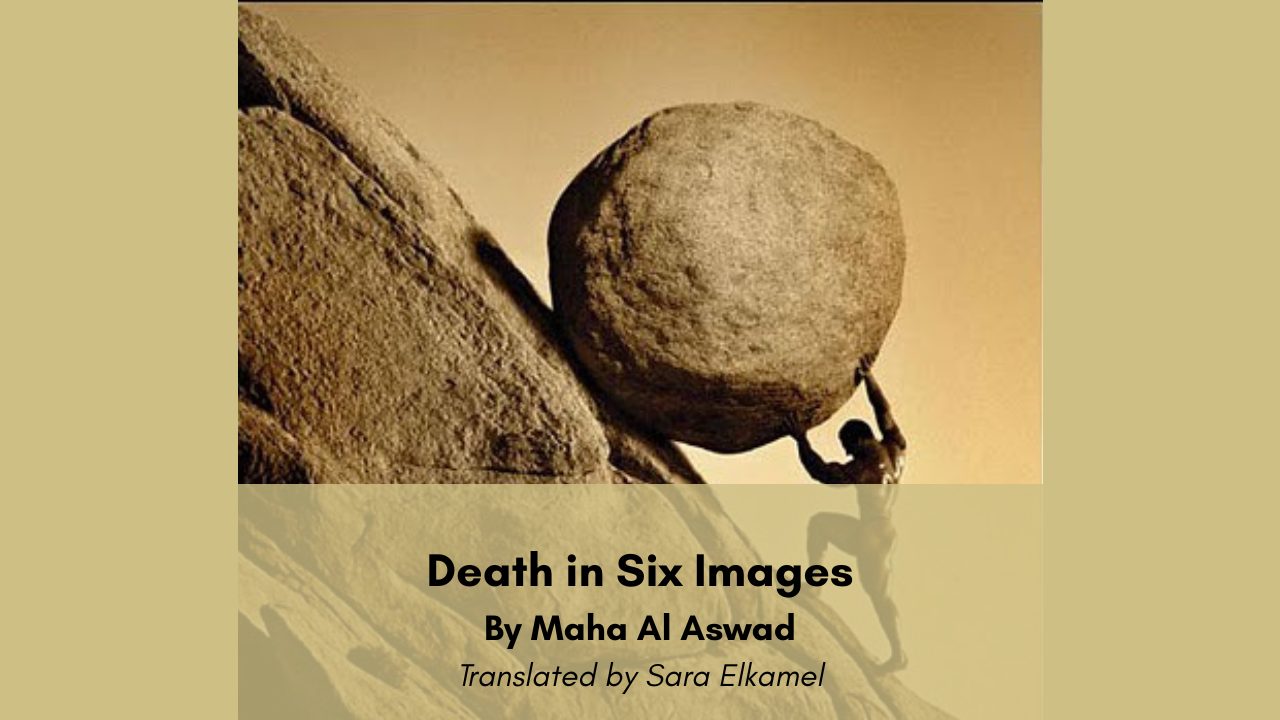
“They walk beneath the sky. As their arms extend. As they grow new arms. As they carry their children.’
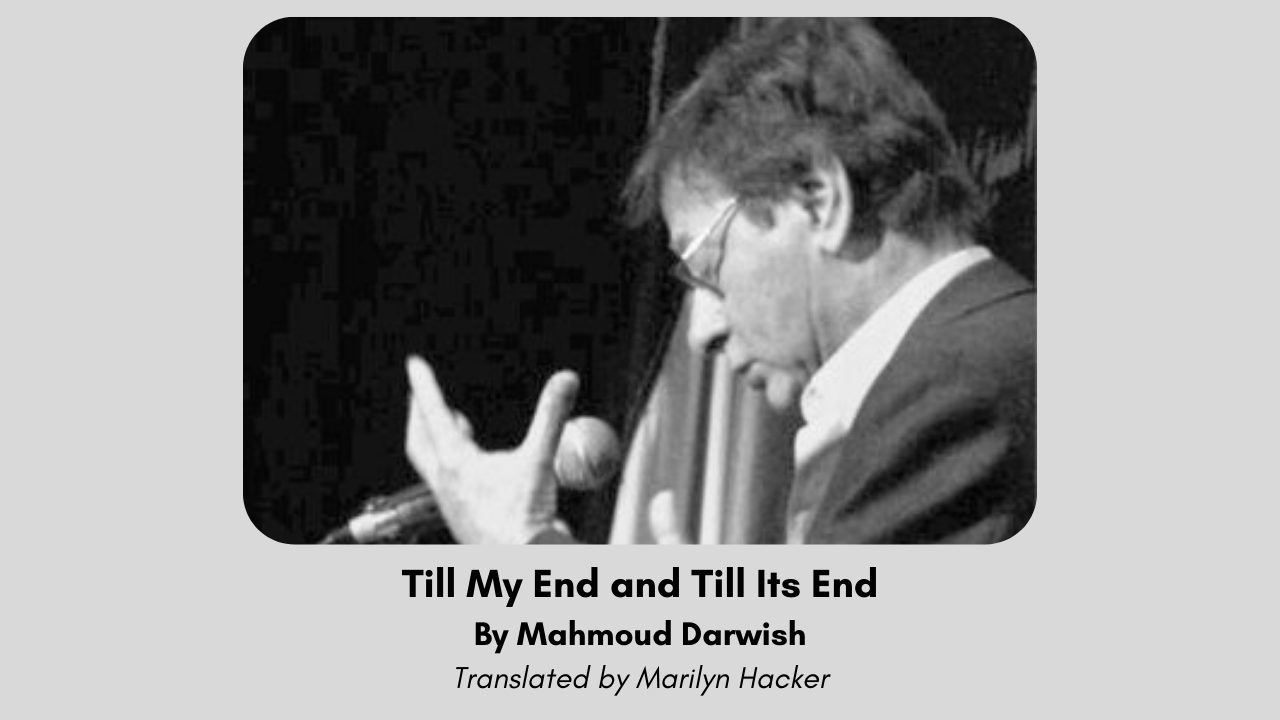
“Are you tired of walking / My son, are you tired?”
“No electricity tonight. / Boredom is about to kill me.”
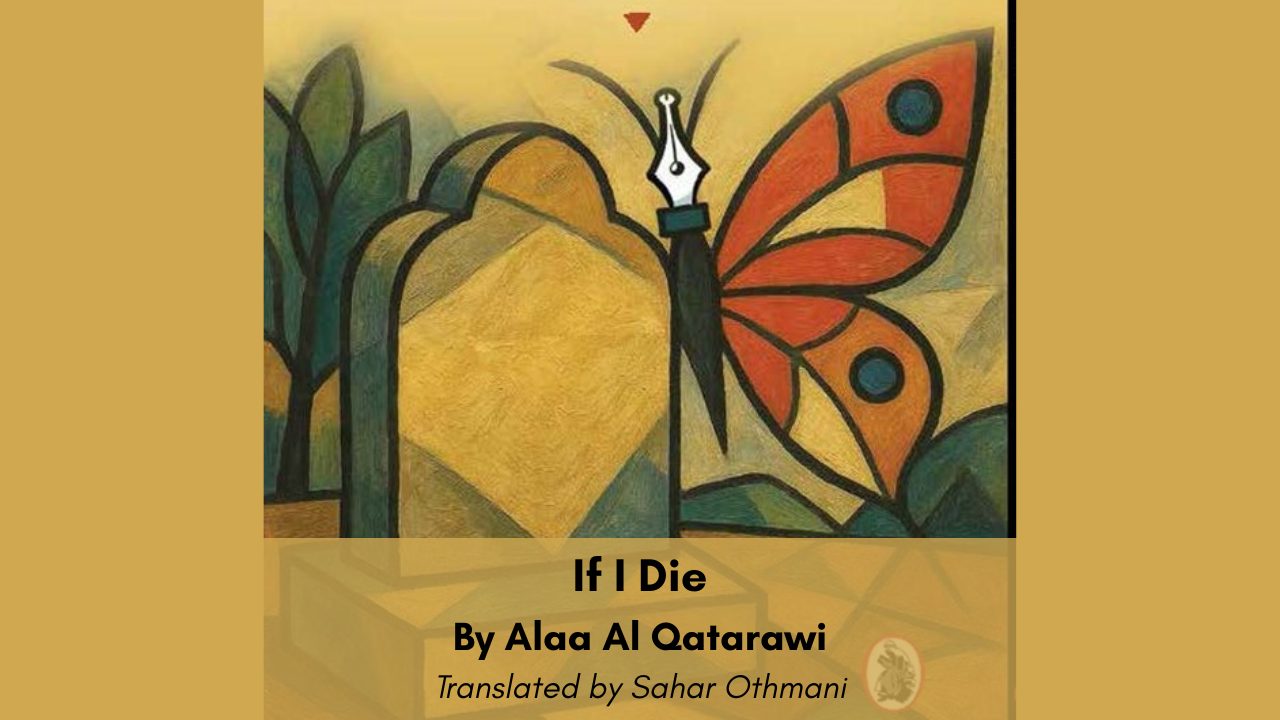
Refaat Al Areer had set the scene, declaring, “If I must die,” and Alaa Al Qatarawi’s sorrow metamorphosed into a butterfly that perseveres. She writes, “If I die, my butterfly does not die.”
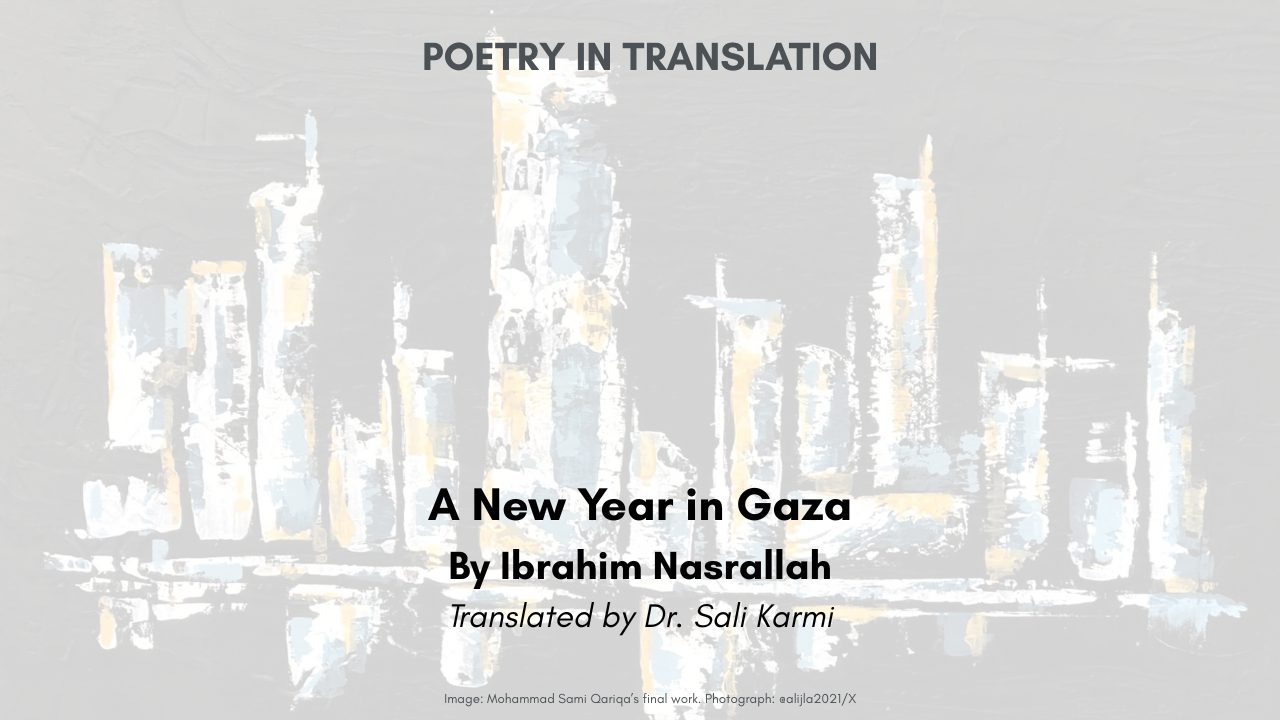
The people named in this poem are the writers, painters, and musicians martyred in the genocide. They are only a few of the many artists who were martyred in the past two years of war against Gaza.
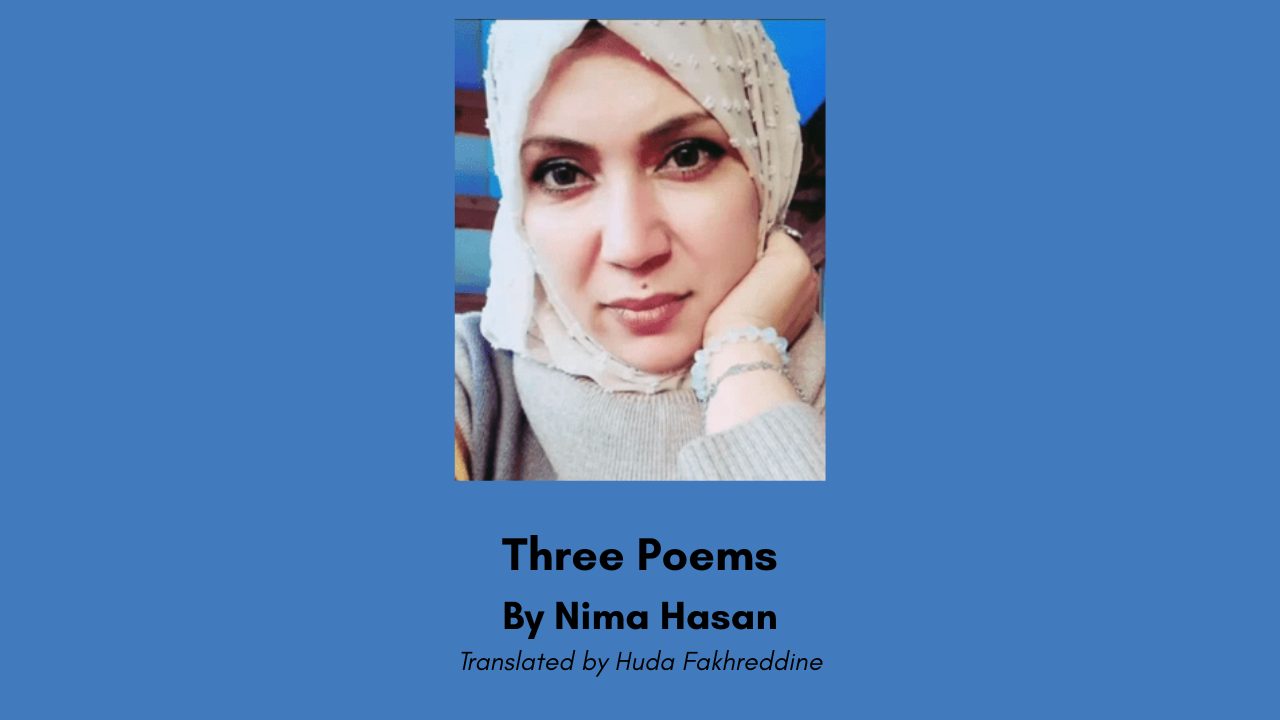
“Hold me before the game ends. / Like everything else, / grief needs time / to become a language.”
“The temperature dipped a little / but the country’s still burning—”