
‘What have I survived’: New Poetry by Mahmoud Alshaer
“I survived—came out of yesterday / alive, carried out on the shoulders / of the wind.”
“I survived—came out of yesterday / alive, carried out on the shoulders / of the wind.”

Short fiction by Mohammed Hussein Heikal (1888 – 1956) about marriage and money in early twentieth century Egypt.

In this conversation over e-mail, Sinan Antoon talks about the novel, the fraught nature of collective memory, the process of self-translation, and the sort of “security checkpoints” a book must pass through in the process of translation.

In his 2015 autobiography, A Time of Wind, Anxiety, and Freedom (أزمنة الريح والقلق والحرية ), Sudanese scholar Dr. Hayder Ibrahim Ali offers a rare and insightful account of Sudan’s intellectual and political life.

Lebanese artist and writer Lamia Ziadé’s fifth illustrated book for adults, Rue de Phénicie, (Phoenicia Street), is a work of intellectual rigor and personal honesty. It’s a story that begins with finding hedonistic joy in Paris grows progressively more complicated by her excavations of the past and grappling with the present.
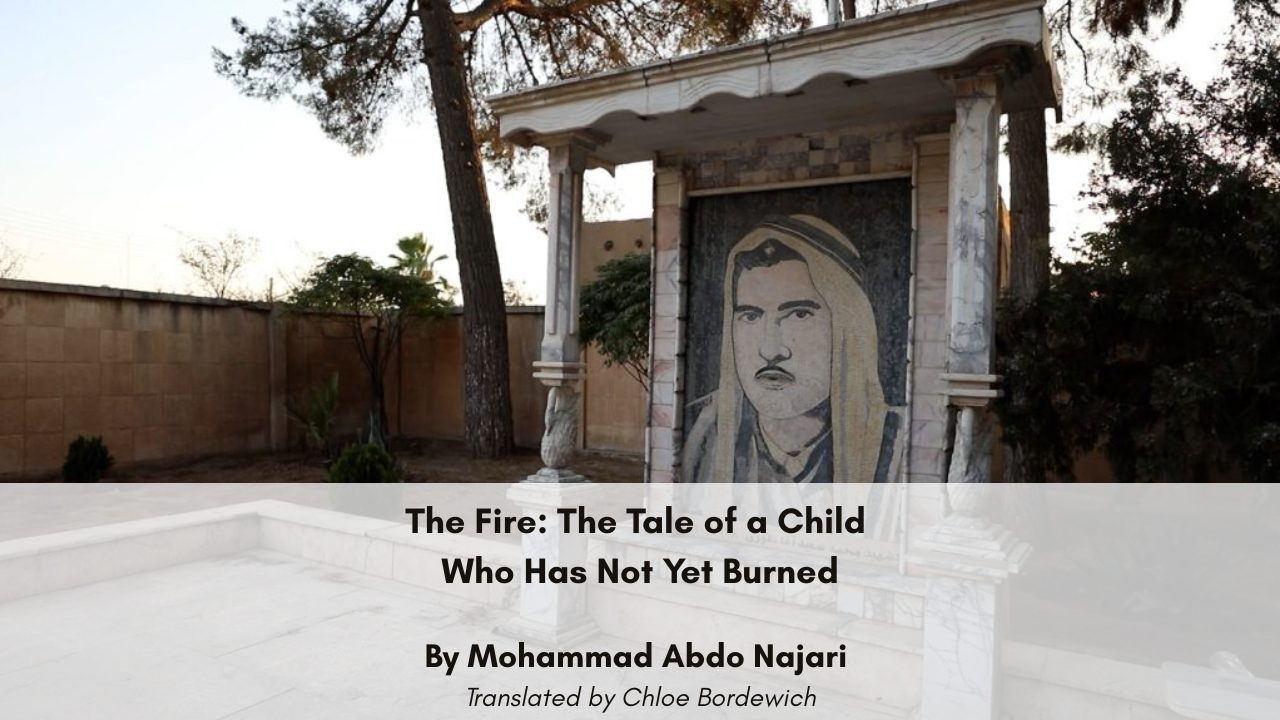
This excerpt comes from the first chapter of the extraordinary literary memoir The Fire: The Tale of a Child Who Has Not Yet Burned, by Mohammad Abdo Najari, published in Damascus by Dar al-Hassad in 1996.
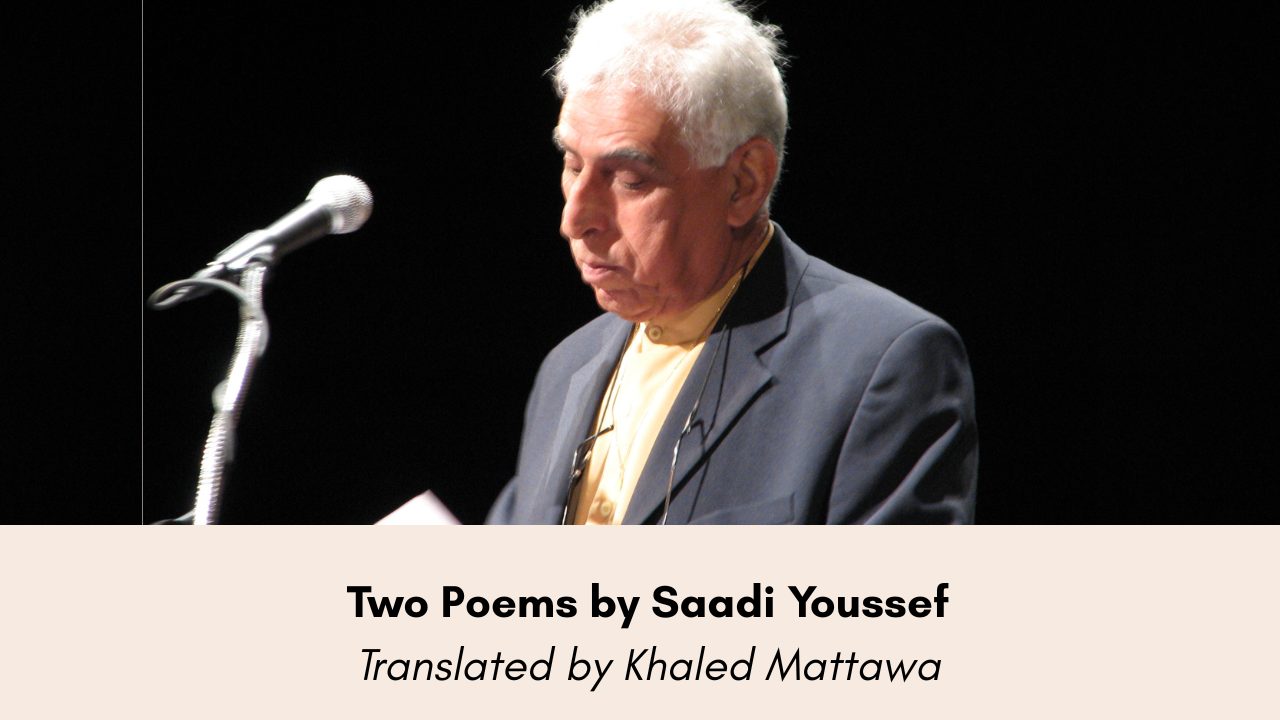
“I’ve said it before, and I say it now on this London evening / before it’s too late: / I am the last communist!”
Gaza-based Palestinian writer Husam Maarouf responds to Batool Abu Akleen’s ’48 kg.’
For Sudanese readers living through the current crisis, the following lines by the late Mohammed el-Makkī Ibrahim resonate with striking immediacy, even though they were written in the 1980s. Beneath the layers of grief, a restrained optimism continues to breathe through its lines.