
Ziad Rahbani: Son by Choice, Father Despite Himself, Youthful Forever
Nael Eltoukhy remembers his relationship with the life, music, and legacy of Zaid Rahbani.
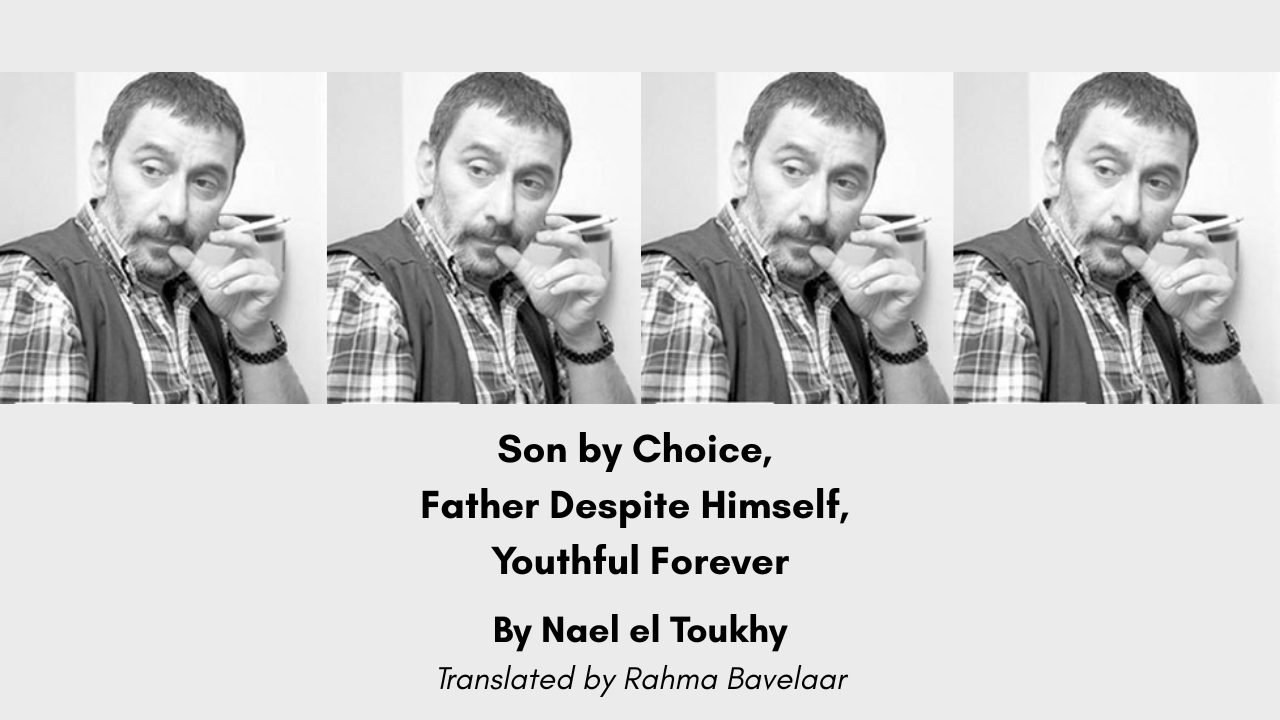
Nael Eltoukhy remembers his relationship with the life, music, and legacy of Zaid Rahbani.

It was October 20, 2023 when poet, novelist, and educator Heba Abu Nada was killed by an Israeli airstrike. She was 32. Here, her sister Somaia strings together time, place, and memory.
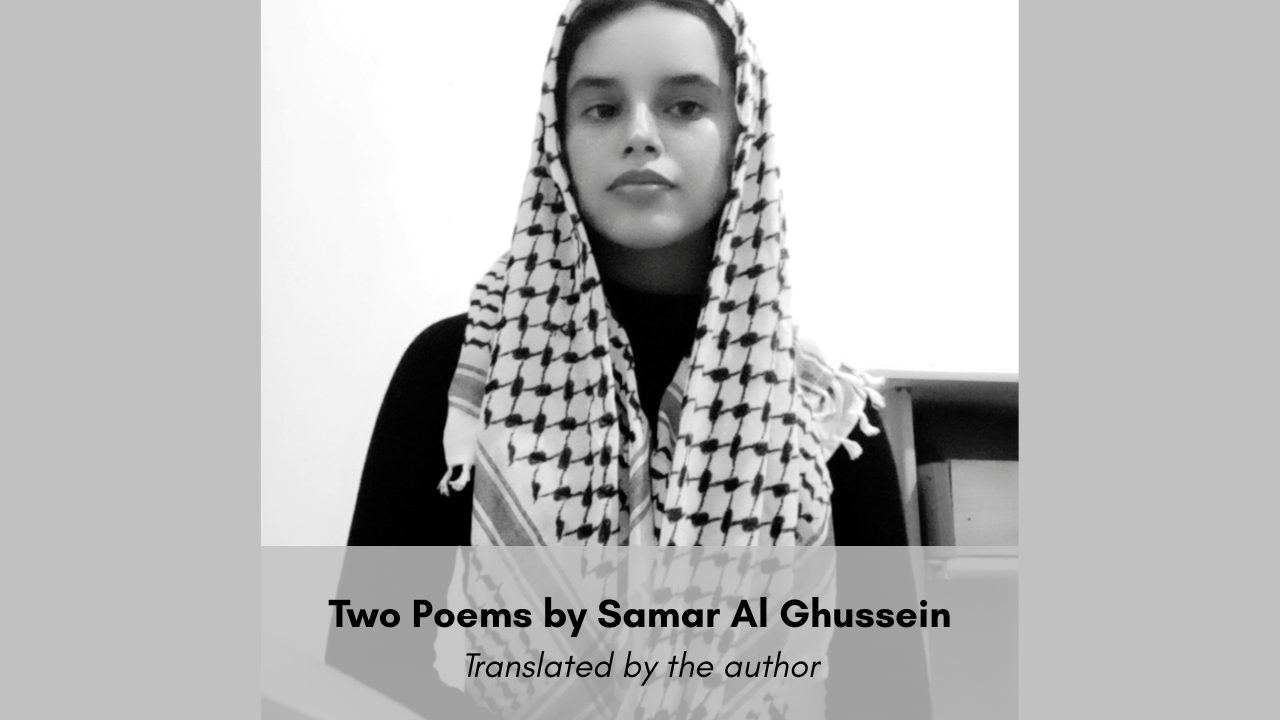
These two poems are by Samar Al-Ghussein, a young Palestinian writer from Gaza who is at work on her first collection.

In this “BETWEEN TWO ARABIC TRANSLATORS” conversation, Yasmeen Hanoosh and Mahmoud Hosny Roshdy discuss the idea of untranslatability (and perhaps, by extension, unreadability) and the work Salim Barakat, and why, if a translation were complete and perfect, this might mean that the work was born dead.
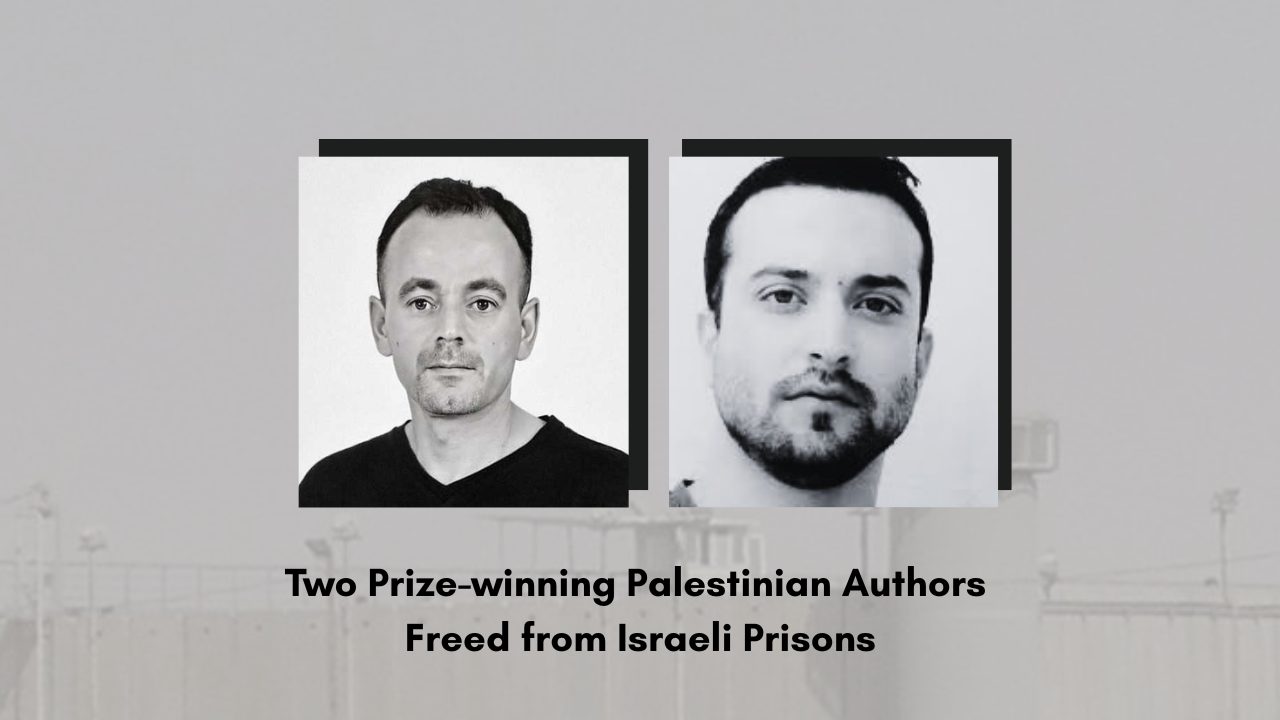
Two award-winning Palestinian authors serving life sentences in Israeli prisons were released on October 13 as part of the exchange for Israeli captives held in Gaza.
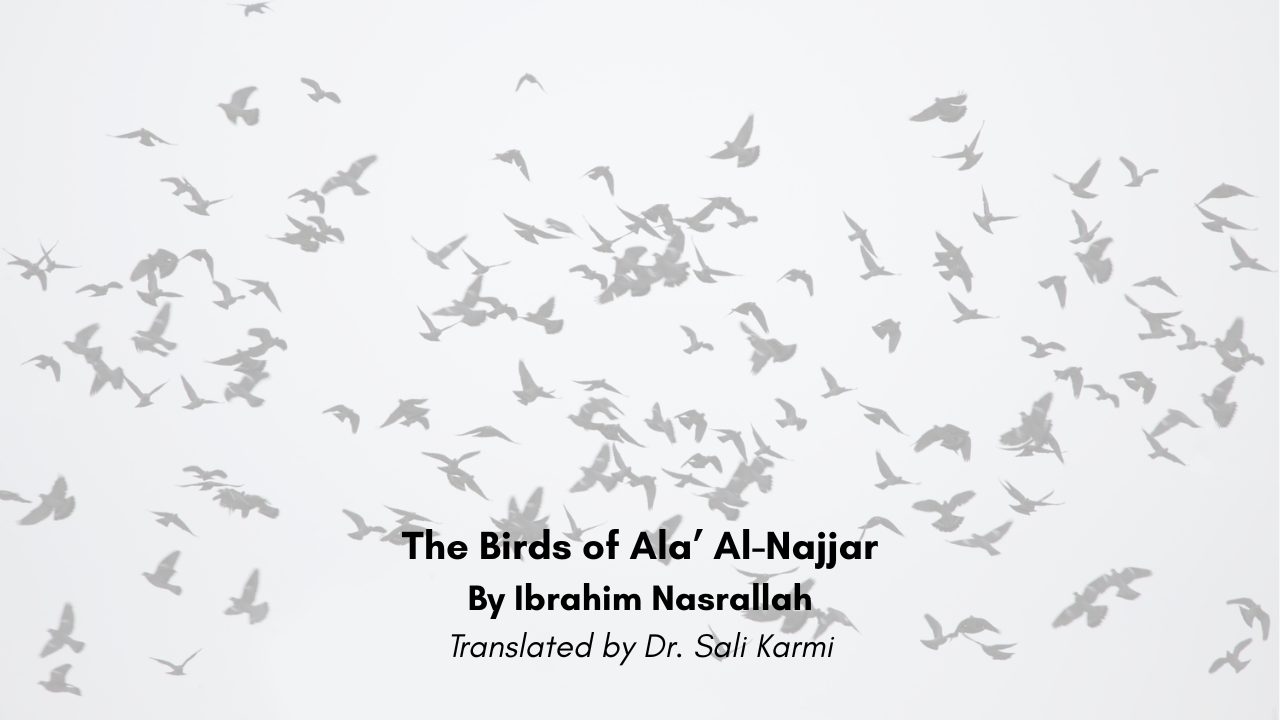
On Friday morning, the 23rd of May 2025, while Ala’ Al-Najjar, a Palestinian pediatrician at Al-Nasser Medical Complex in Khan Younis in the Southern Gaza Strip, was treating the wounds of the injured children of the genocidal Israeli war, she received the news of martyrdom of her nine children: Yahia, Rakan, Raslan, Jubran, Eve, Revan, Sadeen, Luqman, and Sidra. Her eldest child was twelve years old, whereas her youngest was only a six-months old baby. Nine days later, her husband, Dr. Hamdi Al-Najjar, joined his children due to his serious wounds. Ala’ has only one child left alive. This poem is written for her.

“Press your body to the sea— / it comes out cool, unharmed— / and let tears move across your hidden grief.”
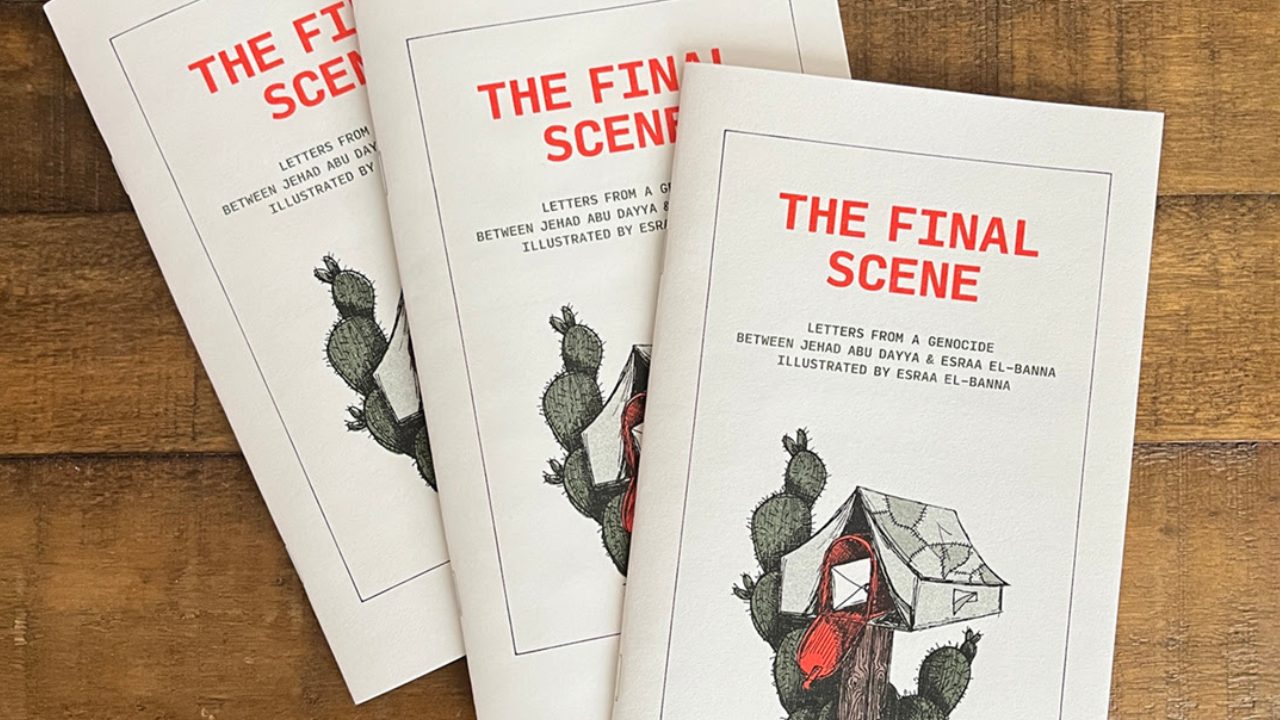
This month, Maamoul Press publishes a new zine by young Gazan creators Jehad Abu Dayya and Esraa el-Banna: The Final Scene.

Everything was fine — until she read that story.