
Classic Short Fiction by Ali Al-Douagi
“Ah, how immense my delight when I saw the moving cart piled high with carpets, lamps, and sacks of every size and color!”
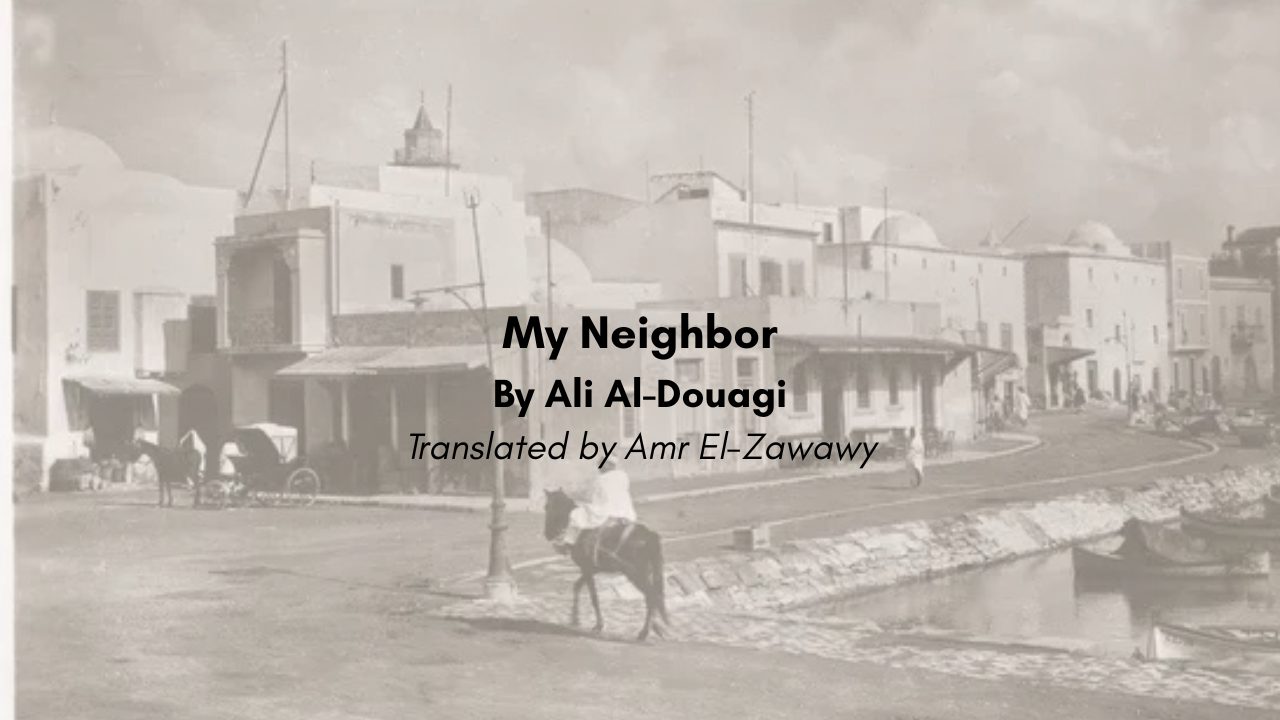
“Ah, how immense my delight when I saw the moving cart piled high with carpets, lamps, and sacks of every size and color!”

“I pace this room alone, / fingertips brushing the wall, / memorizing each mark, each echo.”
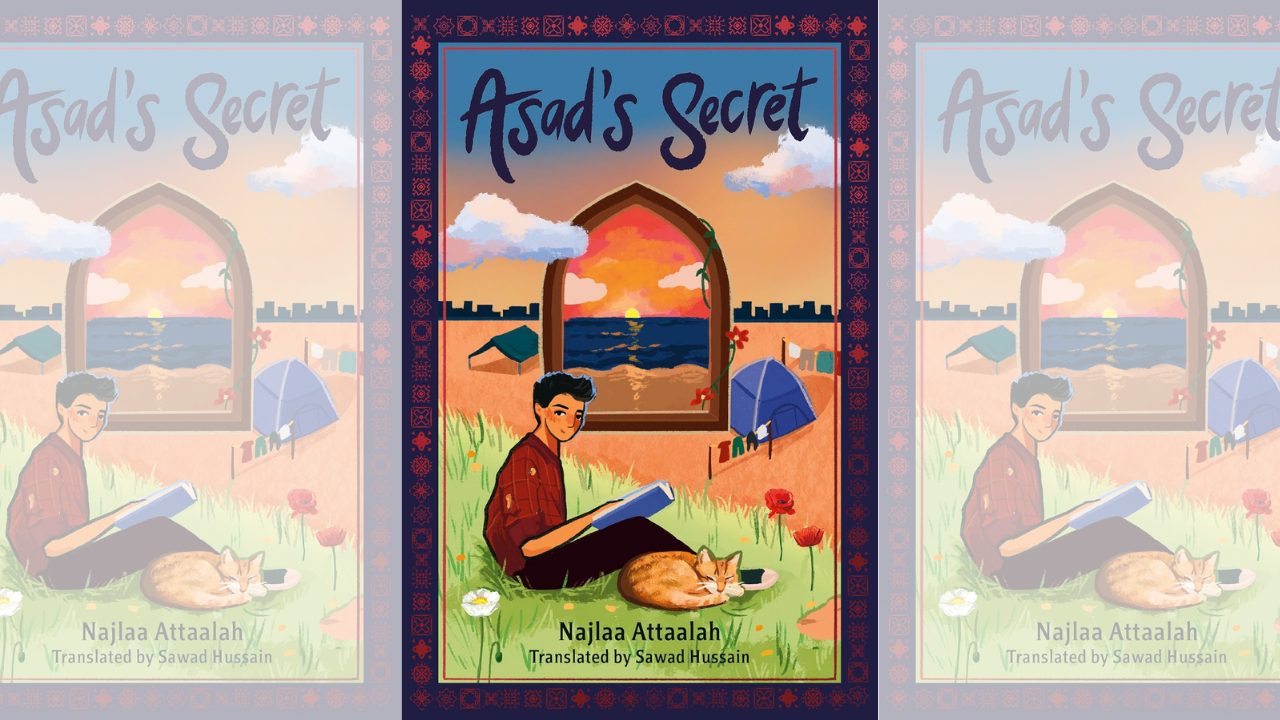
“Ultimately, the arrival of Asad’s Secret in English is as much an act of preservation as it is an act of translation.”
“Once, I became / A cloud / To gain / Flight experience / And twice / I became / A brick / To gain / Experience in falling.”
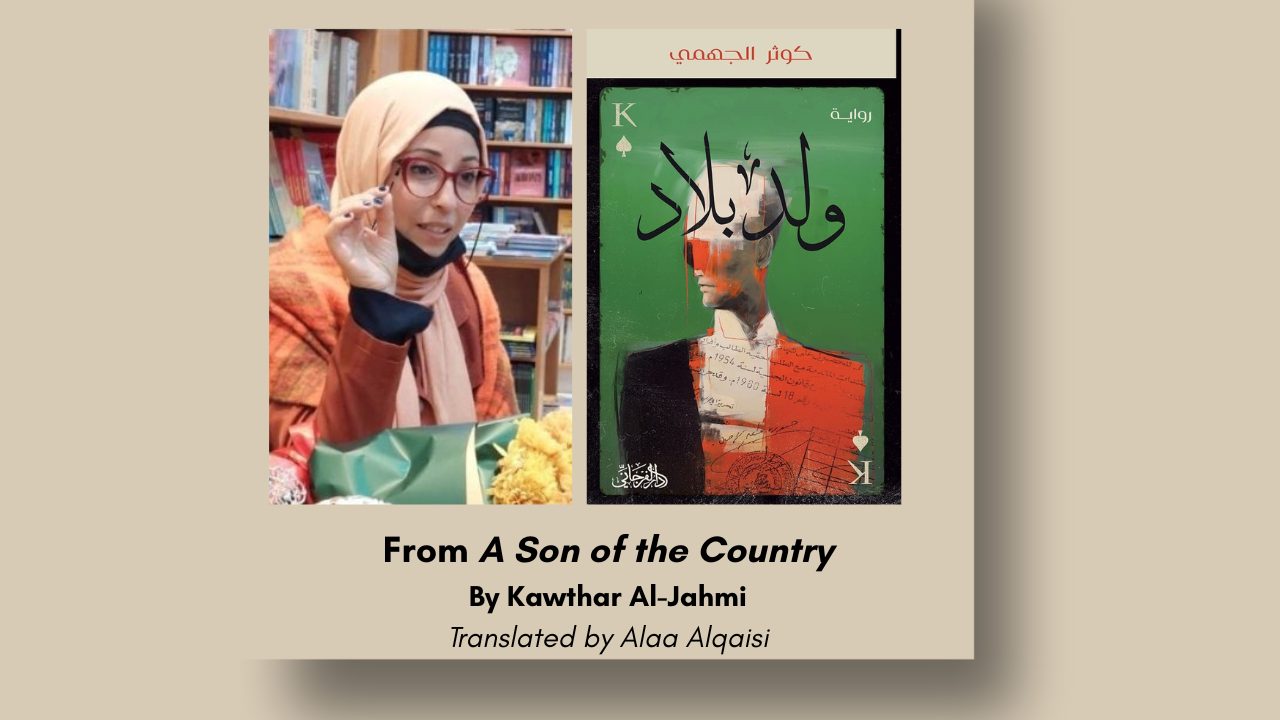
The novel poses a question about identity: Is it a piece of paper, or a sense of belonging?
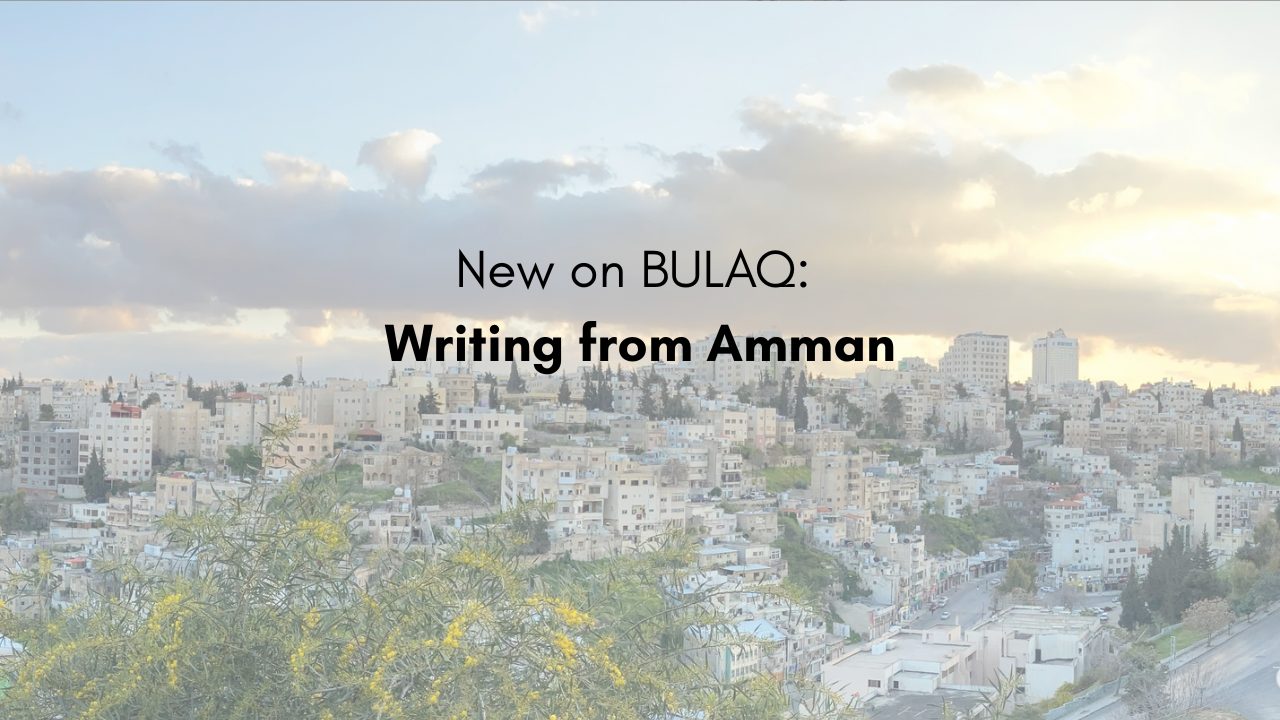
This new episode of the BULAQ podcast explores Jordanian literature and writing about the city of Amman with Ibtihal Reda Mahmood, editor and translator of the anthology Snow in Amman: An Anthology of Short Stories from Jordan.
Liblib’s project, called “It’s Our Art Too! — Rehla” will happen between London and Cairo, in cooperation with the built environment collective Megawra.
This short piece appeared, in a slightly different form, in the SONG issue of ArabLit Quarterly in the Spring of 2021.

Ibrahim al-Koni’s “The Desert Also Keened” was the winner of the 2023 ArabLit Story Prize in Dima El Mouallem’s translation.