
An Excerpt from Ahmed Douma’s ‘Blasphemy’
“ns, one-sided as ever. But, as I tell my soul and its wishes, the window is merely the beginning of error. It is confusing that it looks at you while you cannot see.”
“ns, one-sided as ever. But, as I tell my soul and its wishes, the window is merely the beginning of error. It is confusing that it looks at you while you cannot see.”
“Self-translation is no easy work. For me, it was an arduous confrontation not only with the act of re-writing but also with my language practices and preferences.”
Also read the author-translator’s note, part of our special section on self-translation. By Khalid Lyamlahy Translated by Khalid Lyamlahy Excerpt 1 – Queuing at the Prefecture On my right, people […]
This is part of a special section on self-translation. By Mona Kareem When I first started writing poems in Arabic at the age of ten, I called them “foreign poems.” […]
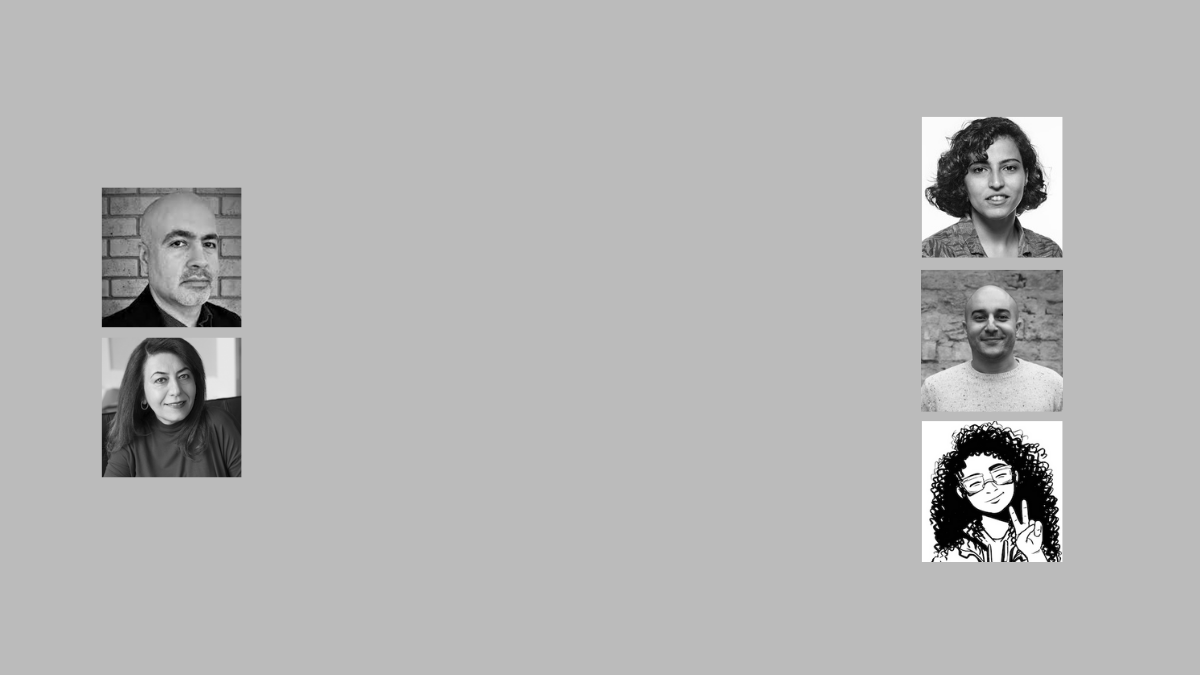
In this special section on self-translation, authors and author-translators Mona Kareem, Khalid Lyamlahy, Deena Mohamed, Dunya Mikhail, and Ali Shakir reflect on what it means to transport their own writing from one of their languages to another.
On Saturday, January 22, 2022, ArabLit Quarterly’s Winter 2021 guest editor Ali Al-Jamri will host “’Refuse To Be Erased’: Readings and Conversation from ALQ FOLK issue.”
Yasmeen Hanoosh’s forthcoming short-story collection أطفال الجنة المنكوبة (Children of an Afflicted Paradise) was one of our “30 Reads: A Month of Iraqi Women Writers.” One short story from that […]
As Ahmad wrote in his interview with al-Riwayah: “I wanted to write, to scream, to protest, to put my imprint on the forehead of this world. I wanted my sons and daughters to know, a decade or two from now, that their father rejected this war, he rejected all this destruction and exposed the thieves who rode on the wave of the revolution.”
“She was seated at the black piano. The music had evaporated from her head, and only crooked melodies stumbled from her fingers.”