What Is the Self in Self-Translation?
This is part of a special section on self-translation. By Ali Shakir Trivia What does the “self” in “self-translator” stand for? A hand that slices a bilingual author’s entity in […]
This is part of a special section on self-translation. By Ali Shakir Trivia What does the “self” in “self-translator” stand for? A hand that slices a bilingual author’s entity in […]
This is part of a special section on self-translation. By Deena Mohamed * Deena Mohamed is an Egyptian illustrator and designer. Her graphic novel trilogy Shubeik Lubeik was awarded Best […]
“Self-translation is no easy work. For me, it was an arduous confrontation not only with the act of re-writing but also with my language practices and preferences.”
Also read the author-translator’s note, part of our special section on self-translation. By Khalid Lyamlahy Translated by Khalid Lyamlahy Excerpt 1 – Queuing at the Prefecture On my right, people […]
This is part of a special section on self-translation. By Mona Kareem When I first started writing poems in Arabic at the age of ten, I called them “foreign poems.” […]
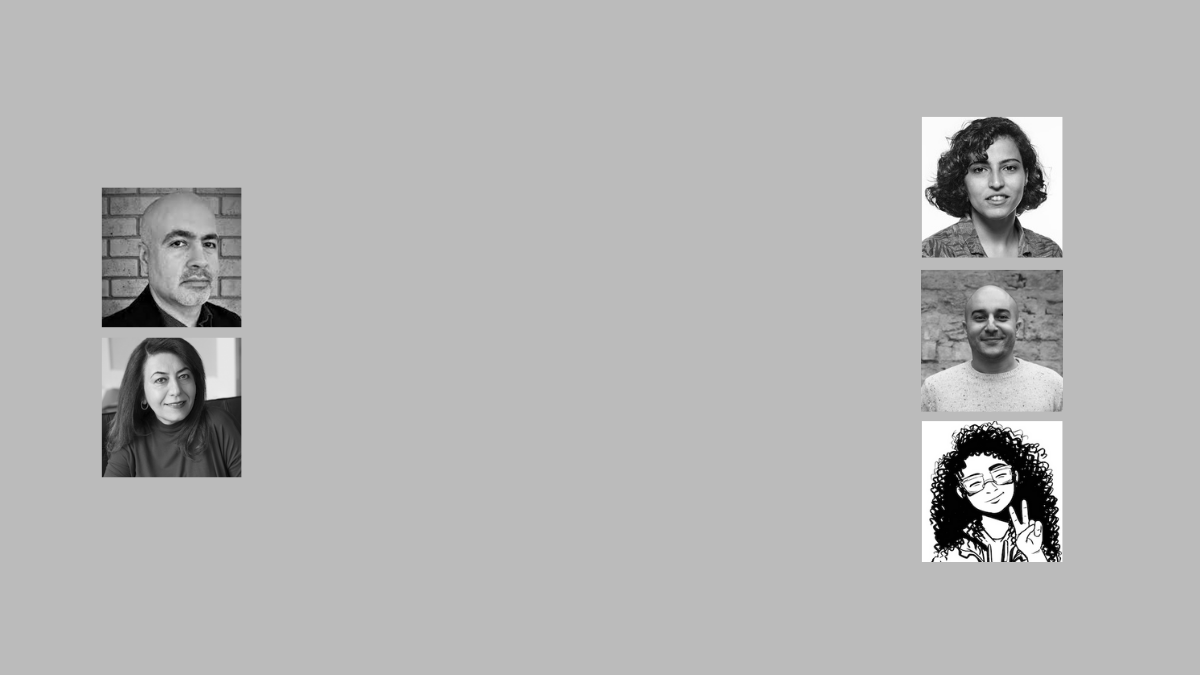
In this special section on self-translation, authors and author-translators Mona Kareem, Khalid Lyamlahy, Deena Mohamed, Dunya Mikhail, and Ali Shakir reflect on what it means to transport their own writing from one of their languages to another.
“Translators of Palestinian poetry, in addition to untangling the poetics of pain (or in our case, exhaustion), carry the additional burden of making people listen.”
“As much as I adore Aaliya, I still harbor aspirations of being a necessary translator – or, more modestly and accurately, a translator who is read.”
“Nothing could be more befitting than Kushājim’s epigrammatic riddles.”