‘The Bird Tattoo’: Between Horror and Peace in the Sinjar Mountains
“In the quiet, slow-growing love between Elias and Helen, the reader experiences the polar opposite of the slave market and the horrors in Ayash’s house.”
“In the quiet, slow-growing love between Elias and Helen, the reader experiences the polar opposite of the slave market and the horrors in Ayash’s house.”
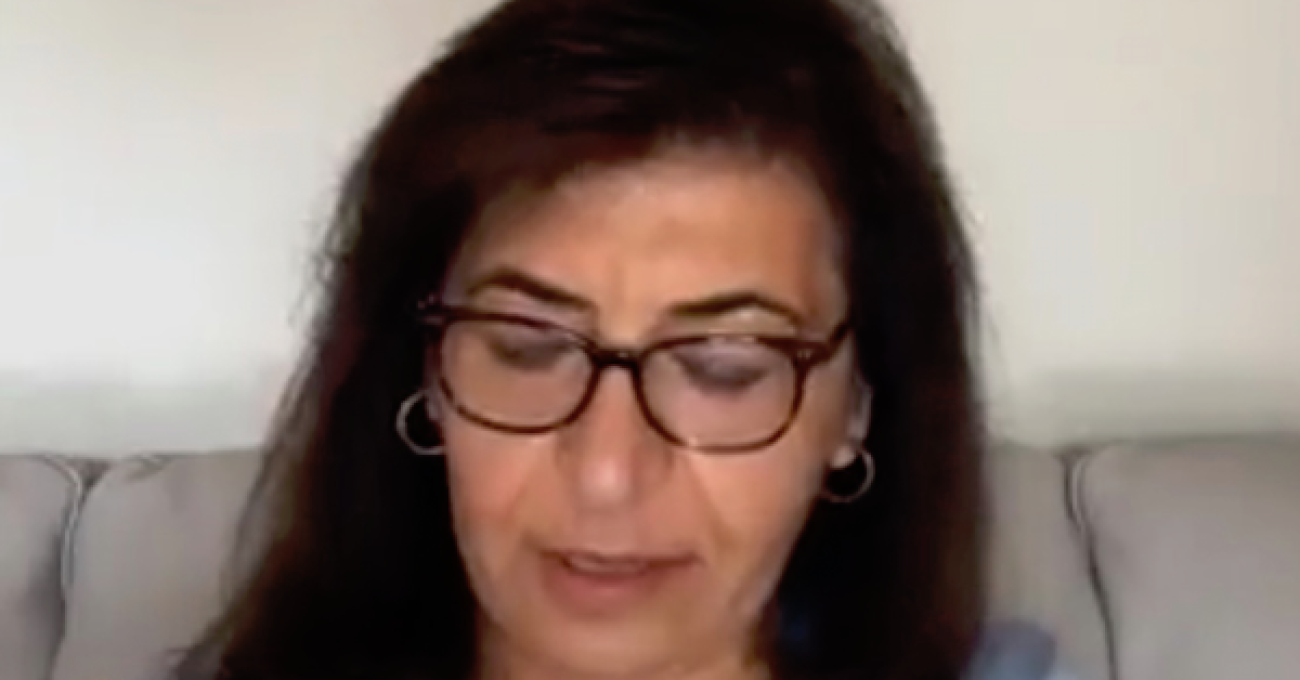
“I was not sure about how good or bad of an idea it was to publish my book (the Arabic original at least) during this pandemic time, but I thought: What about the babies who will be delivered now? I know timing a book is easier than timing a life, but we can never guarantee what happens later; there’s always risk no matter what we do.”
“In the beginning, it was an annoying experience, because the poems pulled me right and left (as Arabic and English are written in opposite directions, you know), but when I let them work freely with each other (like a democrat), they actually benefited from each other.”

The finalists will be announced October 10, with the winners announced November 14, at a National Book Awards ceremony.
Yet Iraqi literature continues, somehow, to blossom. There are older writers Fadhil al-Azzawi and Muhammad Khudayyir still at work (although the former in exile), and much younger ones, too: Thirtysomething Iraqi Hassan Blassim has been called “perhaps the best writer of Arabic fiction alive.”
If you’re looking for it, there are a number of places to seek out excellent Arab American poets. They are celebrated individually (Khaled Mattawa just won a major poetry award) and as a group, as in the most recent Banipal (38).
I just heard about the Arab American Book Awards yesterday, via Asia Writes. I guess I missed the announcement in Publishing Perspectives, and anywhere else it might’ve run. Perhaps the […]